Introducción de alérgenos alimentarios a tu bebé
¿Cuándo debes introducir los alérgenos alimentarios potenciales a la dieta de tu bebé? Es probable que sea antes de lo que te imaginas. Aprende cómo ofrecer los alérgenos de forma segura al/a bebé.
Puntos clave
Introduce temprano y ofrece con frecuencia
La evidencia es clara: las alergias alimentarias pueden prevenirse introduciendo alérgenos comunes como el maní y el huevo durante la infancia y ofreciéndolos de manera regular, especialmente en bebés con mayor riesgo de desarrollar alergias alimentarias.
La introducción generalmente puede comenzar en casa
La mayoría de los bebés pueden comenzar la introducción de alérgenos en cuanto estén listos para iniciar con alimentos sólidos, alrededor de los 6 meses de edad. Sin embargo, puedes decidir comenzar antes (alrededor de los 4 meses de edad) si tu bebé tiene eccema o una alergia alimentaria existente
La exposición constante a lo largo del tiempo es clave
Una vez que se ha introducido un alérgeno alimentario, debes ofrecerlo con regularidad (idealmente dos veces por semana) para reducir las probabilidades de que tu bebé desarrolle una alergia a ese alimento.
Por qué los médicos recomiendan comenzar temprano
En los Estados Unidos, las alergias alimentarias en niños aumentaron un asombroso 50% entre 1997 y 2011, y la prevalencia de alergias al maní y a los frutos secos se triplicó durante este período.[1] Es interesante notar que este es aproximadamente el mismo período en el que se les recomendó a los padres evitar la introducción del maní y otros alérgenos hasta mucho después del primer cumpleaños.[2]
Eso comenzó a cambiar después de 2015, cuando un estudio innovador demostró que la introducción temprana del maní en bebés de alto riesgo podía reducir el riesgo de desarrollar alergia al maní hasta en un 81%. En otras palabras, retrasar la introducción del maní podría en realidad aumentar la probabilidad de desarrollar alergias al maní[3]Este estudio histórico llevó a los profesionales médicos a revisar sus recomendaciones sobre la introducción del maní y a extrapolar los hallazgos del estudio a otros alérgenos alimentarios como el huevo, la leche de vaca y el trigo. Los alergólogos y otros profesionales médicos ahora recomiendan introducir muchos alérgenos alimentarios comunes mucho antes del primer cumpleaños del bebé[4]
Este cambio en las recomendaciones puede haber ayudado a revertir la tendencia. En los últimos años, las alergias alimentarias al maní han disminuido drásticamente entre los niños en los Estados Unidos. En 2025, un importante estudio confirmó el vínculo entre las recomendaciones de introducción temprana de alérgenos y una disminución significativa de las alergias alimentarias en bebés y niños pequeños con riesgo de desarrollarlas.[5] Our hope is that food allergies will continue to decline as more families take advantage of the preventative benefits of introducing allergens early and regularly serving them.
Principales alérgenos para bebés
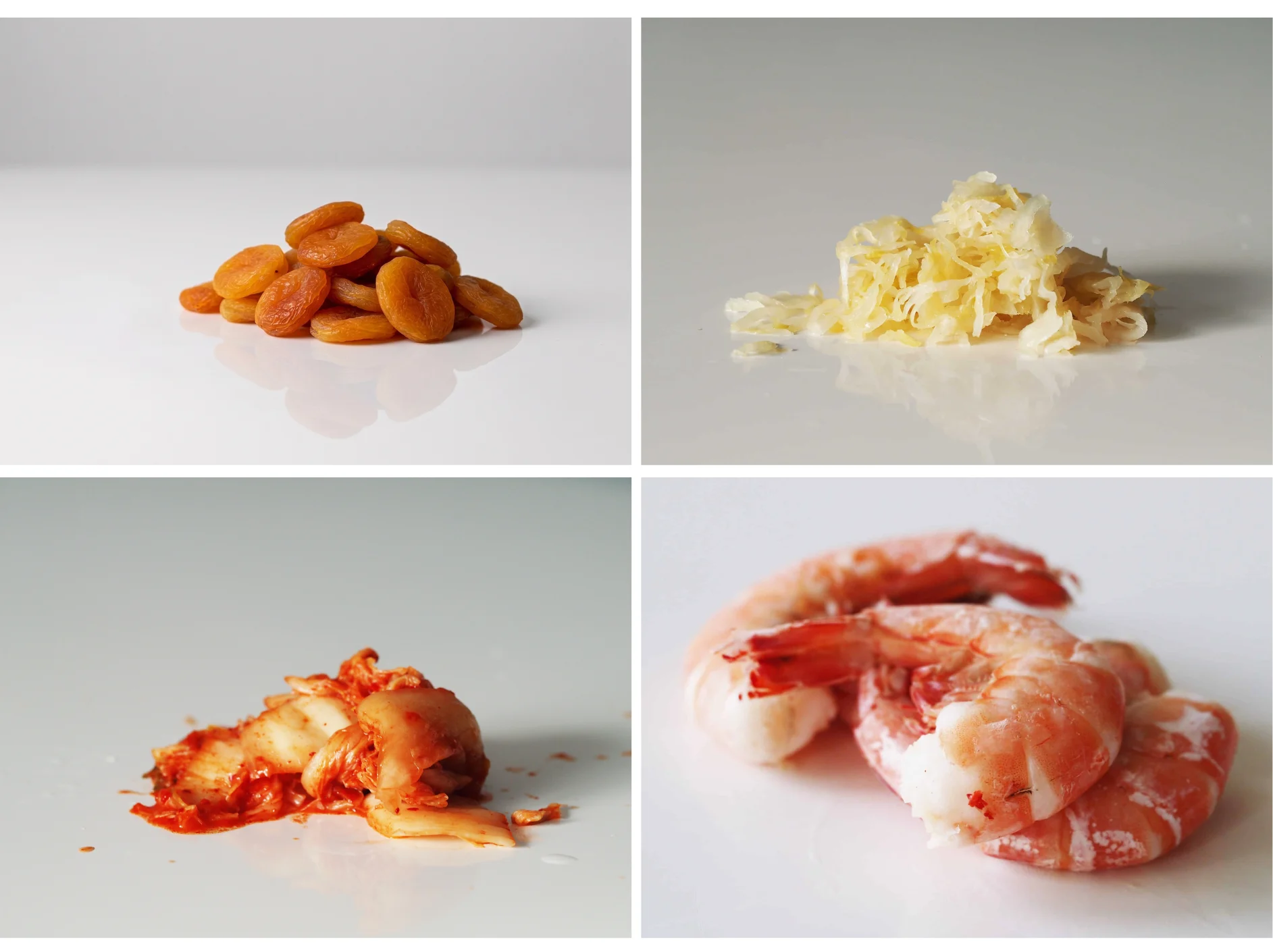
Aunque es posible ser alérgico a cualquier alimento, los alérgenos alimentarios más comunes en los Estados Unidos son los que se enumeran a continuación.[6] Obtenga más información sobre los alérgenos alimentarios comunes en todo el mundo.
Alérgenos comunes para bebés
Alérgeno | Alimentos para introducir el alérgeno a tu bebé | Consejo para más seguridad |
Leche de vaca | yogurt or soft cheese like ricotta | pasteurizado |
Huevo | huevo duro o revuelto (yema y clara) | bien cocido, triturado en trozos pequeños |
Pescado con aletas | pescado bajo en mercurio (bacalao, salmón, sardinas, trucha) | completamente cocido y desmenuzado (sin espinas, pero la piel está bien) |
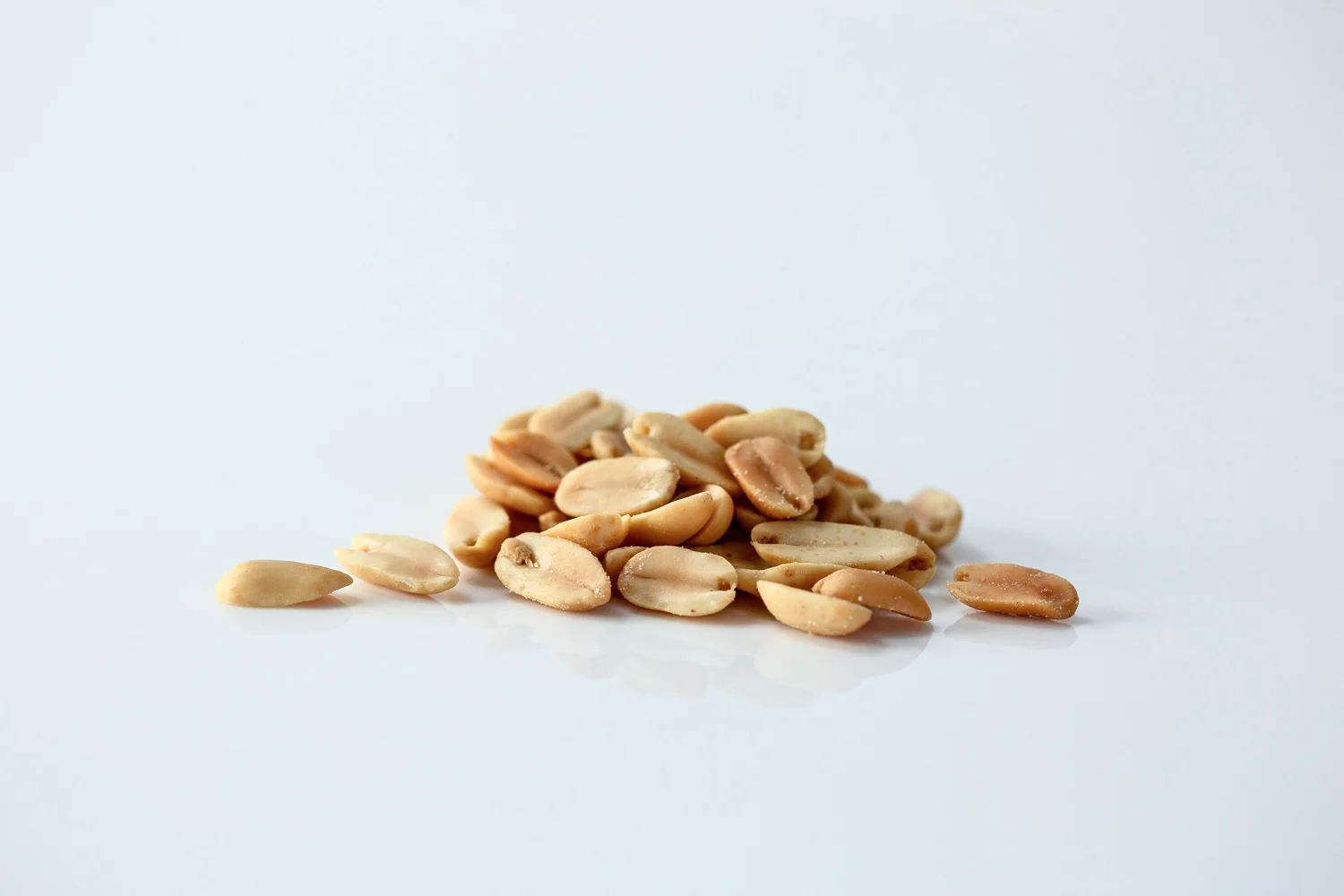
Maní (Cacahuates) | mantequilla de maní | sin miel, textura suave, diluida con agua hasta obtener consistencia líquida (sin grumos) |
Ajonjolí (sésamo) | tahini o semillas de ajonjolí molidas | si está espeso, diluir con agua |
Mariscos (crustáceos) | camarones, cangrejo, langostinos o langosta | completamente cocidos y finamente picados (sin caparazón) |
Soya | tofu o yogur de soya | hacer puré con el tofu |
Frutos secos de árbol | mantequilla de frutos secos o frutos secos molidos en polvo | sin miel, diluir con agua hasta obtener una consistencia suelta y cremosa |
Trigo | cereal de trigo o pan rallado | cocinar el cereal con agua, usar pan rallado sin sésamo |
Cómo evaluar el riesgo de alergia alimentaria
Paso 1: Comienza con la edad | Los bebés de alrededor de 6 meses pueden beneficiarse de la introducción de alérgenos dentro de la primera semana o poco después de comenzar con los alimentos sólidos. Para algunos bebés con mayor riesgo de alergia alimentaria, puede recomendarse comenzar incluso antes. Retrasar la introducción de alérgenos puede aumentar el riesgo de desarrollar alergias, especialmente si tu bebé tiene eczema. |
Paso 2: Verifica si hay eczema | Los bebés con eczema de cualquier gravedad tienen mayor probabilidad de desarrollar alergias alimentarias, pero eso no es razón para retrasar la introducción de alérgenos alimentarios comunes. Los bebés con eczema también pueden obtener los beneficios protectores de introducir alérgenos, y son quienes más se benefician de una introducción temprana. |
Paso 3: Evalúa las alergias | Los bebés con una alergia alimentaria conocida o sospechada tienen mayor probabilidad de desarrollar alergias a otros alimentos. Para estos bebés, se recomienda una evaluación alergológica antes de introducir otros alérgenos en casa (especialmente si la reacción original fue grave). |
Paso 4: Toma acción | El riesgo de alergia alimentaria es alto en bebés con eczema y/o una alergia alimentaria preexistente, así que habla con tu médico y elabora un plan para introducir alérgenos lo antes posible. Si el riesgo es bajo, la introducción de alérgenos debe comenzar en casa en cuanto tu bebé esté listo para empezar con los alimentos sólidos (generalmente alrededor de los 6 meses). |
Los bebés con eczema y/o una alergia alimentaria conocida o sospechada tienen un mayor riesgo de desarrollar alergias alimentarias. Para muchos de estos bebés, la introducción a la edad temprana de 4 meses —realizada de forma segura— puede reducir significativamente la posibilidad de desarrollar una alergia alimentaria. Consulta los consejos para introducir alérgenos antes de los 6 meses de edad para obtener orientación.
Señales que NO aumentan el riesgo
Estos factores por sí solos no colocan a un bebé en un riesgo significativamente mayor de alergia alimentaria.
Ser amamantado vs. alimentado con fórmula
Tener reflujo, cólicos o gases
Tener un estómago sensible
Haber nacido prematuramente (por sí solo)
El padre o la madre tiene sensibilidad alimentaria (no una alergia)
Cómo introducir alérgenos a bebés con mayor riesgo de alergia alimentaria
Habla con tu médico | Tu médico puede recomendar introducir el maní, el huevo y posiblemente otros alérgenos comunes antes de que el niño esté listo desde el punto de vista del desarrollo para comenzar con los alimentos sólidos. Los bebés mayores (de 7 meses en adelante) con eczema grave o una alergia existente a algún alimento pueden haber desarrollado ya una alergia alimentaria, y es especialmente importante consultar a tu médico antes de comenzar. |
Comience temprano | Introduzca alimentos comunes como el maní y el huevo antes que después, idealmente alrededor de los 4 meses de edad. Retrasar la introducción NO evitará el desarrollo de alergias alimentarias.Comience con poco |
Comience con poco | Las reacciones alérgicas pueden ser más graves cuando se consume una mayor cantidad del alimento alergénico. Comience con una pequeña cantidad (como 1/4 de cucharadita) y aumente gradualmente a cantidades mayores si no hay síntomas de una reacción alérgica. |
Cómo introducir alérgenos alimentarios a los bebés
Introducir alérgenos alimentarios no tiene que ser aterrador. Puede comenzar con una cantidad muy pequeña del alérgeno para minimizar cualquier posible reacción y aumentar lentamente hasta porciones más grandes. Para una guía paso a paso, suscríbase a la aplicación de Solid Starts.
1. Evalúe el riesgo
Consulte Cómo evaluar el riesgo de alergia alimentaria para determinar el nivel de riesgo. Si el riesgo es bajo, proceda con la introducción del alérgeno en casa.
2. Esté preparado
Revise los síntomas de una reacción alérgica antes de comenzar. Aunque una reacción alérgica es poco probable, es mejor saber cómo reconocerla por si acaso.
3. Elija un día para comenzar
Escoja un día en el que pueda observar de cerca a tu bebé. La introducción puede realizarse a lo largo de un día (en el desayuno, el almuerzo y la cena, por ejemplo) o en días consecutivos.
4. Elija un alimento
Elija un alérgeno alimentario común para comenzar. Recomendamos empezar con maní o huevo, ya que la evidencia sobre los beneficios protectores de la introducción temprana de alérgenos es más sólida con estos alérgenos alimentarios comunes.[7]
5. Vaya de uno en uno
Complete la introducción de un alérgeno antes de comenzar con la introducción de otro. De esta manera, si hay una reacción, sabrá qué alimento fue el responsable.
6. Prepara el alimento
Comienza con una pequeña cantidad (cuanto menor sea la cantidad de alérgeno ingerida, menos grave podría ser una reacción alérgica) y ve aumentando gradualmente la cantidad ofrecida. Suscríbete a la aplicación Solid Starts para recibir orientación paso a paso sobre cómo introducir cada alérgeno alimentario común, incluyendo cantidades, horarios y más.
7. Empieza temprano en el día
Comienza en el desayuno o justo después de la siesta de la mañana. Así, en el improbable caso de que ocurra una reacción, puede ser más fácil comunicarte con tu médico para recibir orientación. La mayoría de las reacciones ocurren poco después de la exposición, por eso es mejor introducir los alérgenos cuando al menos un adulto pueda prestar toda su atención a tu bebé, idealmente durante al menos dos horas y sin distracciones de otros niños o actividades.
8. Comienza con una pequeña probada
Toma una pequeña cantidad con la punta de una cuchara o con tu dedo, acércala al rostro de tu bebé y espera un momento para que observe el alimento. Es posible que se incline con la boca y trate de probarlo; déjalo. Si no se mueve, acércalo lentamente un poco más a su cara, luego haz una pausa y dale otra oportunidad.
Si tu bebé duda, pero de lo contrario parece interesado, puedes tocar suavemente su boca o lengua con la cuchara, el mordedor o tu dedo, pero no lo fuerces. Quieres que tu bebé asocie la comida con experiencias positivas, y forzar el alimento en su boca no ayuda a lograr ese objetivo. Si no muestra interés activo, gira la cabeza o aparta la cuchara, el mordedor o tu dedo, te está comunicando que quiere parar. Toma un descanso o termina la comida. Siempre puedes intentarlo de nuevo más tarde.
Una vez que haya probado su primera probada, ofrece más hasta que hayas ofrecido todo el alimento que preparaste, o hasta que muestre señales de que ya terminó… lo que ocurra primero. No pasa nada si no consume todo el alimento que preparaste. Con solo una pequeña probada es suficiente para comenzar el proceso de introducción.
9. Observa si hay señales de una reacción alérgica
Después de que tu bebé haya probado una pequeña cantidad, continúa con tu siguiente actividad mientras lo observas. Idealmente, deja a tu bebé solo en pañal o revisa periódicamente la piel de su abdomen, pecho y espalda para detectar cualquier señal de sarpullido o enrojecimiento. Si tu bebé no muestra ninguna señal de reacción después de 15 minutos, continúa con tu día (pero mantente alerta). La mayoría de las reacciones ocurren en cuestión de minutos (aunque pueden tardar hasta 2 horas) después de la exposición.
Si no hay síntomas de una reacción alérgica después de un par de horas, ofrezca el alérgeno nuevamente y repita los pasos anteriores. Es posible que tu bebé no tenga una reacción alérgica la primera vez que se expone al alimento, así que esté atento a medida que aumente gradualmente la cantidad servida. La introducción del alérgeno se completa después de la tercera porción.
10. Busque una exposición regular.
Una vez que se introduce un alérgeno, sírvalo al menos una vez a la semana, e idealmente de 2 a 3 veces por semana hasta que el niño tenga al menos 6 años. No hay problema si necesita tomar un descanso cuando tu bebé está enfermo o cuando están de viaje. El objetivo es ofrecer los alérgenos alimentarios con frecuencia cuando sea posible, para ayudar a su hijo a aprovechar al máximo los beneficios preventivos de la introducción temprana de alérgenos.
Después de una reacción alérgica: qué hacer a continuación
Si tu bebé tuvo una reacción alérgica, es posible que se sienta asustado y sin saber qué hacer. Estos son los pasos más importantes a seguir una vez que se haya tratado la reacción.
▶ Consulte a un alergólogo, incluso si cree saber qué causó la reacción
Una evaluación de alergias es mucho más que una prueba. Durante la consulta, su alergólogo revisará el historial de tu bebé, confirmará un diagnóstico y recetará medicación de emergencia. También aprenderá a usar un autoinyector de epinefrina (como un EpiPen) y recibirá un plan de acción escrito para alergias alimentarias. Estas herramientas le ayudarán a mantener a tu bebé seguro, y valen la pena aunque tenga que esperar para obtener una cita.
▶ Conozca qué puede y qué no puede decirle una prueba de alergia
Hay dos pruebas comunes que se utilizan para detectar alergias alimentarias: una prueba de punción cutánea y un análisis de sangre. Ambas pruebas son eficaces para identificar alergias, pero ninguna es perfecta. Los falsos positivos son frecuentes, especialmente con los análisis de sangre. Ninguna de las dos pruebas puede indicarle qué tan grave podría ser una reacción futura. Su alergólogo siempre revisará los resultados de las pruebas junto con el historial de tu bebé, y no solo los resultados de las pruebas por sí solos.
▶ No ofrezca el alérgeno sospechoso mientras espera
A menos que su médico le indique lo contrario, lo más seguro es evitar ofrecer el alimento que cree que desencadenó una reacción alérgica mientras espera una cita con su alergólogo. Las reacciones pueden ser difíciles de predecir, y si tu bebé es verdaderamente alérgico, la próxima reacción podría ser peor que la primera. No querrá estar desprevenido.
▶ No solicite pruebas de alergia para alimentos a los que tu bebé nunca ha reaccionado
Hacer pruebas con demasiados alimentos a la vez puede generar falsos positivos. También puede crear vacíos en la dieta de tu bebé cuando evitas ofrecer alimentos que en realidad nunca fueron un problema. El enfoque correcto es realizar pruebas específicas, guiadas por el historial particular de tu bebé.
▶ Obtén un plan de acción para alergias alimentarias y capacitación en el uso de epinefrina, y revísalos con frecuencia
Al terminar la consulta con el alergólogo, debes llevarte un plan de acción escrito para alergias alimentarias y capacitación práctica con un autoinyector de epinefrina (como un EpiPen). Comparte el plan con todas las personas que cuidan a tu bebé y asegúrate de que sepan qué hacer si tu bebé come accidentalmente el alimento equivocado. Practica con el entrenador de EpiPen algunas veces al año para que los pasos te resulten naturales antes de que alguna vez los necesites.
▶ Ten en cuenta que muchas alergias alimentarias se superan con el tiempo
Las alergias al huevo, la leche, la soya y el trigo suelen desaparecer por sí solas durante la infancia. Las alergias al maní, los frutos secos, el ajonjolí y los mariscos tienden a persistir, aunque algunos niños también las superan. A medida que tu bebé crece, el alergólogo puede verificar si la alergia sigue presente mediante pruebas cutáneas, análisis de sangre y retos alimentarios supervisados.
▶ Los tratamientos están mejorando y hay razones reales para tener esperanza
El manejo de las alergias alimentarias ha avanzado mucho más allá de simplemente evitar los alimentos problemáticos. Ahora existen tratamientos que pueden ayudar al cuerpo a acostumbrarse a un alérgeno con el tiempo.
Dos tratamientos comunes son la inmunoterapia oral y la inmunoterapia sublingual. Ambos funcionan administrando al cuerpo cantidades muy pequeñas del alérgeno, aumentando la dosis gradualmente hasta que el cuerpo se vuelve menos sensible. La ciencia sugiere que comenzar estos tratamientos temprano, durante la infancia o la etapa de niño pequeño, puede ser más efectivo que comenzarlos más tarde. Estos tratamientos siempre deben realizarse con un alergólogo con experiencia, nunca en casa.
Un tratamiento más reciente es el Omalizumab (Xolair). Es un medicamento que puede ayudar a niños desde los 12 meses con una alergia alimentaria mediada por IgE a tolerar una mayor cantidad de un alérgeno y reducir el riesgo de una reacción grave si lo consumen accidentalmente. También están disponibles o en desarrollo otros tratamientos nuevos, incluidos medicamentos para la alergia que se presentan en forma de aerosol nasal o una película que se disuelve debajo de la lengua.
¿Cuándo puedo reintroducir el alérgeno?
No reintroduzcas por tu cuenta un alérgeno alimentario conocido o sospechoso. Consulta con tu alergólogo para elaborar un plan antes de ofrecer el alimento nuevamente. Tu alergólogo puede ayudar a confirmar el diagnóstico y determinar el momento seguro y adecuado para reintroducir el alérgeno. Es posible que esto deba hacerse de forma gradual en la clínica, mientras tu bebé es monitoreado por profesionales de la salud capacitados para manejar reacciones alérgicas con rapidez. Esto se denomina prueba de provocación oral alimentaria.
¿Necesito evitar otros alérgenos alimentarios comunes?
No. El hecho de que tu bebé haya reaccionado a un alérgeno alimentario no significa que sea necesario evitar todos los alérgenos comunes. De hecho, es importante seguir ofreciéndole a tu bebé cualquier alérgeno alimentario común que ya haya sido introducido con éxito. La ciencia también muestra que no es necesario dejar de introducir nuevos alérgenos.
¿Cuánto tiempo debo esperar antes de introducir otro alérgeno alimentario común?
Siempre que la reacción alérgica alimentaria original de tu bebé haya desaparecido, puedes continuar con otros alérgenos alimentarios comunes… a veces, tan pronto como al día siguiente. Sin embargo, si tu bebé todavía no ha vuelto a su estado habitual, es buena idea esperar para que cualquier síntoma pueda vincularse claramente al nuevo alimento.
Tengo mucho miedo de seguir alimentándolo. ¿Cómo superar ese temor?
Es completamente comprensible sentirse ansioso después de que tu bebé experimenta una reacción alérgica. Confía en que, con la ayuda de tus médicos, puedes crear un plan para que tu bebé introduzca nuevos alimentos de forma segura mientras evita los alérgenos conocidos.
Recuerda que introducir alérgenos es la mejor manera de prevenir las alergias alimentarias, y los bebés que retrasan la introducción tienen más probabilidades de desarrollar alergias adicionales. Si el miedo a una reacción es verdaderamente paralizante, considera buscar apoyo de un consejero o terapeuta especializado en alergias alimentarias. Ellos pueden ayudarte a superar la ansiedad. También puedes hablar con tu alergólogo, quien podría ofrecerte pruebas de provocación oral en la clínica.
Las alergias alimentarias en el mundo
as Naciones Unidas y la Organización Mundial de la Salud han establecido el Codex Alimentarius (Codex), un conjunto de normas, directrices y códigos de prácticas alimentarias internacionales diseñados para garantizar la seguridad del suministro mundial de alimentos.
Las directrices del Codex recomiendan la declaración de los siguientes alérgenos alimentarios:
Huevo
Leche
Pescado
Crustáceos
Gluten
Soya
Maní
Frutos secos de árbol
Sulfitos (en concentraciones de 10 mg/kg o más[8]
Estos alimentos representan la mayoría de las reacciones alérgicas inducidas por alimentos en la mayor parte del mundo. Sin embargo, los alérgenos alimentarios más comunes varían a nivel mundial y están influenciados por la genética, los alimentos más consumidos en cada región y la reactividad cruzada con alérgenos del aire, entre otros factores.[9] [10]
Africa
Varias naciones africanas, entre ellas Egipto, Malaui, Marruecos y Sudáfrica, cuentan con listas de alérgenos alimentarios comunes que reflejan la del Codex de la ONU/OMS..
La ciencia reciente sugiere que las alergias alimentarias pueden estar subdiagnosticadas en todo el continente africano.[11]
Asia
No existe un organismo regulador central que rija el etiquetado de alérgenos alimentarios para el continente asiático, y los alérgenos alimentarios comunes varían según la región.
Las listas de alérgenos alimentarios comunes de China, Hong Kong, Singapur, Tailandia y Vietnam son similares a las del Codex de la ONU/OMS.
Los alérgenos alimentarios comunes en Japón y Corea del Sur incluyen los alérgenos descritos en el Codex de la ONU/OMS, así como el trigo sarraceno
Además, Corea del Sur incluye el pollo, la carne de res, el cerdo, los piñones, el durazno (melocotón) y el tomate como alérgenos alimentarios comunes.[12]
Aunque los garbanzos no están designados como un alérgeno común que requiera etiquetado, el garbanzo es un alérgeno alimentario emergente de importancia en India.[13]
América Central, América del Sur y el Caribe
CARICOM (una organización de estados del Caribe), los países del Reglamento Técnico Centroamericano, Brasil, Venezuela, Argentina y Chile reconocen los mismos alérgenos comunes descritos por el Codex de la ONU/OMS.
Europa
La Unión Europea (UE), el Reino Unido y el EEE (Islandia, Liechtenstein, Noruega) reconocen 14 alérgenos alimentarios/intolerancias comunes: cereales con gluten, huevo, leche, soya (soja), maní (cacahuate), frutos secos de árbol, pescado, crustáceos, moluscos, apio, mostaza, sésamo (ajonjolí), altramuz (lupino) y sulfitos.
Los países de la región que no pertenecen a la UE también siguen directrices similares, con variaciones menores de un país a otro.
América del Norte
En los Estados Unidos, actualmente hay nueve alimentos que deben etiquetarse como alérgenos alimentarios principales: leche, huevos, maní, nueces de árbol, pescado, sésamo, mariscos, soya y trigo.
México y Canadá reconocen y exigen el etiquetado de alérgenos según lo establecido por el Codex de la ONU/OMS.
Canadá incluye la mostaza y el sésamo en su lista de principales alérgenos.
Asia Sudoccidental
La Organización de los Estados del Golfo (GSO) reconoce los siguientes alérgenos: cereales con gluten, huevo, leche, soya, maní, nueces de árbol, pescado, crustáceos, moluscos, apio, mostaza, sésamo, lupino y sulfitos.
Cabe destacar que el sésamo es un alérgeno muy prevalente en esta región, y en Israel, estudios han identificado el sésamo como el segundo alérgeno alimentario más común en niños, después de la leche.
Pacífico Sudoccidental
Australia y Nueva Zelanda exigen el etiquetado de los alérgenos comunes según lo establecido por el Codex de la ONU/OMS.
Además, Australia y Nueva Zelanda exigen el etiquetado del lupino, el sésamo, el polen de abeja y la jalea real.
Preguntas frecuentes
No, a menos que tu médico te lo indique. Debes introducir los alérgenos alimentarios comunes, especialmente el huevo y el maní, en cuanto tu bebé esté listo para comenzar con los alimentos sólidos, o antes si tu bebé tiene un mayor riesgo de alergia alimentaria. Retrasar la introducción puede, de hecho, aumentar el riesgo de que se desarrollen alergias alimentarias.
Aunque las alergias alimentarias pueden ser hereditarias, los antecedentes familiares por sí solos no son razón para retrasar la introducción de alérgenos. Por el contrario, la introducción temprana sigue siendo protectora para la mayoría de los bebés, especialmente para aquellos cuyos padres o hermanos tienen alergias. Los especialistas en alergias recomiendan que los hermanos de niños con alergias alimentarias y los hijos de padres con alergias alimentarias, en general, pueden introducir los alérgenos alimentarios más comunes en casa sin necesidad de una evaluación previa con un alergólogo, siempre que no presenten un riesgo mayor debido a eccema grave u otra alergia alimentaria preexistente.
Comienza con el maní (cacahuate), el huevo o la leche de vaca. No es necesario seguir un orden específico de alérgenos, pero debes priorizar estos porque son los alérgenos alimentarios más comunes en los bebés y son alimentos básicos en distintas culturas. Procura introducir al menos uno de estos alimentos cada pocos días, idealmente a partir de la segunda o tercera semana de haber comenzado con los alimentos sólidos. Una vez que hayas introducido el maní, el huevo y la leche de vaca, continúa con la introducción de otros alérgenos alimentarios comunes que se adapten a las preferencias dietéticas de tu familia.
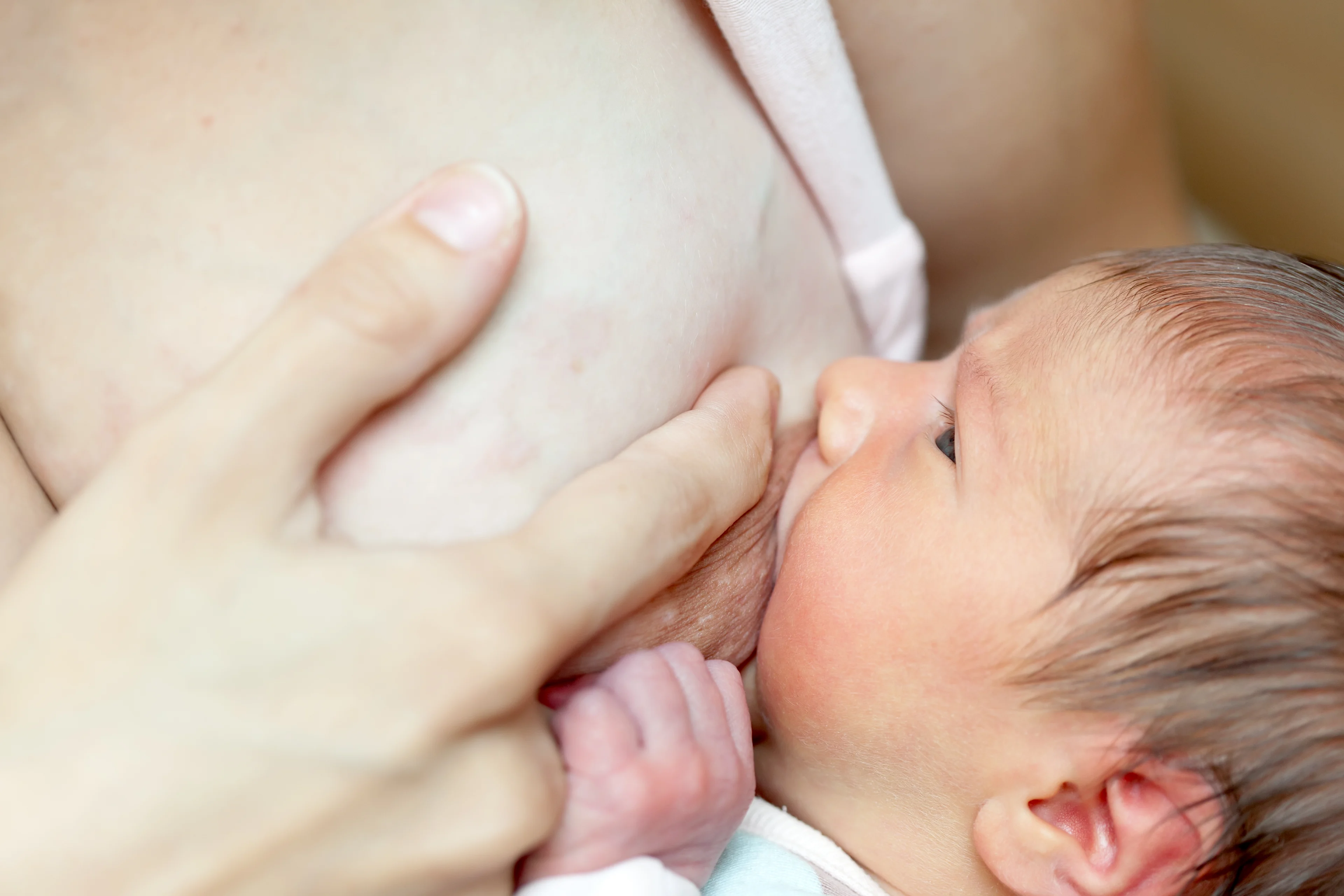
Aunque algo de proteína alimentaria sí pasa al bebé a través de la leche materna, esta no es una forma confiable de introducir o mantener la exposición a los alérgenos alimentarios más comunes, por lo que no "cuenta" como introducción temprana.
Recomendamos comenzar la introducción de frutos secos de árbol eligiendo uno de los que más frecuentemente desencadenan alergias alimentarias en bebés y niños pequeños: almendra, anacardo (marañón, cajú), avellana y nuez. Introducir cada uno de estos frutos secos de forma individual y ofrecerlos con regularidad ayudará a prevenir alergias alimentarias a frutos secos de árbol con reactividad cruzada. Por ejemplo, si el anacardo es bien tolerado, se le puede ofrecer a tu bebé el pistacho sin necesidad de una introducción formal. Lo mismo aplica para la nuez y el pecán (nuez de castilla).
Hay muchas variedades de frutos secos de árbol y, una vez que se hayan introducido los principales (almendra, anacardo, avellana y nuez), también puedes optar por introducir otros por separado, como la nuez de Brasil, el piñón o la macadamia, aunque no es necesario introducirlos todos. Concéntrate en introducir los frutos secos que son comunes en tu dieta y ofrécelos con regularidad para ayudar a prevenir el desarrollo de alergias alimentarias, idealmente dos veces por semana. Una vez que los frutos secos se hayan introducido con éxito, se pueden servir juntos. Muchas familias optan por mantener la exposición a los frutos secos con mantequilla de frutos secos mixtos. Descarga la aplicación Solid Starts para ver nuestras recetas e ideas de comidas para mantener la exposición a los alérgenos.
No. Es posible ser alérgico a un tipo de fruto seco de árbol y no a otros. Introducirlos por separado te permite descartar una alergia alimentaria a una variedad antes de introducir otra diferente. Una vez que todos los frutos secos incluidos en la mantequilla de frutos secos mixtos se hayan introducido por separado, esta es una excelente manera de mantener la exposición a los alérgenos.
Sí, siempre y cuando el alérgeno que ya se tolera bien se haya ofrecido con regularidad (idealmente dos veces por semana) desde que fue introducido. Si ese alérgeno no se ha ofrecido en las últimas dos semanas aproximadamente, conviene reintroducirlo primero. Mientras tanto, recomendamos introducir el nuevo alérgeno solo o junto con otro alimento que tu bebé haya estado comiendo con regularidad.
Si tu bebé no consume toda la porción del alérgeno que le ofreces, no hay problema. Cantidades relativamente modestas de exposición al alérgeno (~2 gramos de proteína alérgena por semana) pueden ser eficaces para la prevención de alergias, siempre que se ofrezcan con regularidad a lo largo del tiempo. Suscríbete a la aplicación Solid Starts para obtener orientación sobre cómo ayudar a tu bebé si no quiere tocar los alimentos.
No. No es necesario esperar de 3 a 5 días entre la introducción de alimentos nuevos. Dicho esto, debes introducir solo un alérgeno común a la vez. Es perfectamente válido introducir un alérgeno junto con otros alimentos nuevos que tu bebé no haya probado; sin embargo, por comodidad, muchos padres prefieren ofrecer el nuevo alérgeno solo o únicamente acompañado de alimentos que tu bebé ya haya comido sin problemas.
Esperar unos días antes de introducir cada alimento nuevo puede limitar significativamente la introducción oportuna de diferentes sabores y texturas, y potencialmente aumentar el riesgo de alergia alimentaria en el futuro. En general, los beneficios de introducir una variedad de alimentos nuevos superan los riesgos de una posible reacción o sensibilidad.
No. No es necesario (y generalmente no es rentable) depender de polvos o productos alimenticios procesados y medicalizados para introducir alérgenos alimentarios o mantenerlos en la dieta. Un alérgeno alimentario puede introducirse preparándolo de forma segura según la edad y la capacidad de desarrollo de tu bebé, y puedes buscar cualquier alimento en nuestra base de datos First Foods® para ver cómo hacerlo. Sin embargo, es importante hacer lo que funcione para tu familia. Las mantequillas, los polvos y los puffs pueden ser útiles para la introducción o el mantenimiento de alérgenos cuando el acceso a los alimentos es limitado (por ejemplo, al viajar), o si tu bebé tiene una condición médica que interfiere con la introducción de alimentos sólidos.
Revisa la lista completa de síntomas de alergia en bebés antes de comenzar. La mayoría de los bebés nunca experimentará una reacción alérgica, pero puede ocurrir, y es importante saber cómo identificar una reacción alérgica y cómo actuar si sucede.
Por lo general, no. Los alimentos ácidos como las bayas, los cítricos, la piña y el tomate suelen causar un sarpullido inofensivo en la piel que entra en contacto con los jugos, típicamente alrededor de la boca y el mentón. Los sarpullidos por contacto generalmente desaparecen con una limpieza suave después de la comida. Da toquecitos con un paño húmedo; no frotes para evitar irritar aún más la piel. Para ayudar a proteger la piel de los sarpullidos por contacto, puedes aplicar una pomada de barrera (vaselina pura o una combinación de aceite vegetal y cera) en la cara antes de la comida.
Si el sarpullido es generalizado (por ejemplo, en todo el torso, los brazos y las piernas), es más probable que sea una reacción alérgica que un sarpullido por contacto, y debes buscar atención médica de inmediato. Consulta los síntomas de alergia en bebés para obtener más información.
Habla con tu médico. Él o ella puede ayudarte a determinar si los síntomas son más consistentes con una alergia alimentaria verdadera, una intolerancia alimentaria o una reacción temporal relacionada con una enfermedad, eczema o la etapa de alimentación. Este paso es importante. La eliminación innecesaria de alimentos de la dieta de tu hijo o hija a veces puede aumentar el riesgo de que se desarrolle una alergia, en lugar de reducirlo.
Después de consultar con tu médico, es probable que intente confirmar o descartar una alergia alimentaria. Ninguna prueba por sí sola cuenta toda la historia: lo que más importa es el historial clínico. Necesitará saber qué alimentos ha comido tu bebé, incluidos los alimentos que crees que causaron la reacción, así como cuándo aparecieron los síntomas de alergia.
Si se confirma una alergia alimentaria, tu médico puede orientarte sobre cómo alimentar a tu hijo o hija de forma segura evitando los alérgenos alimentarios. También puede recetar medicación de emergencia y revisar un plan de acción para tratar las reacciones y, eventualmente, reintroducir el alimento cuando sea seguro hacerlo. Las alergias alimentarias suelen desaparecer con el tiempo y, en algunos casos, un manejo temprano y cuidadoso —bajo supervisión médica— puede mejorar las probabilidades de desarrollar una tolerancia duradera.
Consulta a tu médico antes de intentar reintroducir cualquier alimento que haya provocado una reacción alérgica en tu hijo o hija. Si tu bebé ha tenido una reacción alérgica a un alimento, no lo ofrezcas de nuevo hasta que puedas elaborar un plan con profesionales con licencia, idealmente un alergólogo pediátrico. Las reacciones alérgicas pueden ser impredecibles, y un niño o niña que inicialmente tuvo solo una reacción leve podría tener una reacción más grave posteriormente. Tu equipo médico puede orientarte sobre la mejor manera de proceder y puede recomendar la reintroducción bajo supervisión médica. De esta manera, tu bebé puede ser monitoreado y recibir tratamiento inmediato si ocurre una reacción alérgica.
Las alergias mediadas por IgE son lo que la mayoría de las personas imagina cuando piensan en una alergia alimentaria. Producen síntomas muy rápidamente después de la ingestión del alérgeno, a menudo en cuestión de minutos. Las alergias mediadas por IgE se diagnostican confirmando un historial clínico de reactividad junto con una prueba de sangre positiva o una prueba de punción cutánea en el consultorio del alergólogo. Varias alergias alimentarias mediadas por IgE (como las de leche de vaca, huevo, soya y trigo) suelen superarse durante la primera infancia.
Las alergias alimentarias no mediadas por IgE son hipersensibilidades inmunitarias que no implican la producción de anticuerpos IgE. En cambio, se activan otras partes del sistema inmunitario, como los glóbulos blancos. Los síntomas suelen tardar más en aparecer que en las alergias mediadas por IgE (desde unas pocas horas hasta días después de comer) y se manifiestan de diversas formas, incluyendo erupciones cutáneas y síntomas gastrointestinales.
No existe una prueba estandarizada disponible para las alergias alimentarias no mediadas por IgE, por lo que el diagnóstico se basa en el historial clínico. ¿El tratamiento recomendado? Evitar el alérgeno y reevaluar a intervalos regulares para determinar si la alergia ha desaparecido con el tiempo. La epinefrina y los antihistamínicos no tratan los síntomas de las alergias alimentarias no mediadas por IgE. Sin embargo, en ciertos casos, se pueden usar medicamentos contra las náuseas, esteroides y biológicos para contrarrestar los síntomas molestos y la respuesta inflamatoria. Consulta FPIES & Babies para obtener más información sobre un tipo de alergia alimentaria no mediada por IgE.
Afortunadamente, las alergias y el síndrome de alergia oral (SAO) no se transmiten a tu bebé a través de la leche materna. Las preocupaciones sobre posibles alergias alimentarias no deben desalentar a los padres de ofrecer leche materna, especialmente porque esta ofrece una variedad de beneficios nutricionales e inmunológicos para tu bebé. No se ha demostrado que evitar los alérgenos alimentarios comunes durante el embarazo o la lactancia prevenga las alergias alimentarias.
Ten la tranquilidad de que es poco probable que experimentes una reacción alérgica grave simplemente por estar cerca de tu alérgeno o incluso por manipularlo. La mayoría de los pacientes con alergias alimentarias reaccionan solo al ingerirlo. Dicho esto, hay medidas que puedes tomar para minimizar tu riesgo de tener una reacción.
Antes de la hora de comer: Evita el contacto prolongado de la piel con el alérgeno. Si no puedes lavarte las manos de inmediato después, usa guantes. Si estás amamantando a tu bebé, considera darle el pecho justo antes de la comida para evitar la necesidad de amamantar inmediatamente después (esto da tiempo para que el alérgeno se elimine de la boca y la saliva de tu bebé).
En la mesa: Si tienes alfombra o tapete, coloca la silla alta sobre un tapete protector o muévela a una superficie sin alfombra. También puedes considerar alimentar a tu bebé al aire libre. Este es también un buen momento para usar manteles individuales, platos y utensilios desechables.
Durante la introducción: Ofrece el alérgeno al comienzo de la comida y sigue de inmediato con otro alimento al que ni tú ni tu bebé sean alérgicos. Esto reducirá el contenido del alérgeno en la saliva de tu bebé.
Después de la comida: Límpiаrsе bien las manos y la cara, limpia la superficie donde come y la silla, y quítale la ropa para lavarla. Considera esperar unas horas y ofrecerle a tu bebé algunos sorbos de agua, o cepillarle suavemente los dientes y las encías para eliminar cualquier residuo de alérgeno antes de amamantarlo después de la comida, ya que pequeñas cantidades de la saliva de tu bebé pueden refluir hacia el pezón durante la lactancia.
Por último, trata de mantener la calma, aunque al principio estés nervioso o nerviosa. Los niños perciben los sentimientos de los adultos que los rodean. Con la práctica, ofrecerle el alérgeno a tu bebé se volverá más fácil y se convertirá en una rutina. Si te sientes muy nervioso o nerviosa, esta es una excelente oportunidad para que un padre, cuidador, familiar o amigo que no sea alérgico pase un tiempo de calidad con tu bebé.
Depende. El queso y el yogur contienen las mismas proteínas alergénicas que la leche de vaca y pueden desencadenar reacciones alérgicas en bebés sensibles. Sin embargo, si tu bebé no es muy sensible a la caseína (la proteína termoestable de la leche), es posible que pueda tolerar leche de vaca, queso o yogur completamente horneados en una galleta, pastel o muffin. Algunos bebés también pueden tolerar leche de vaca, queso o yogur con un calentamiento menos intenso, como en buñuelos, panqueques o waffles. Sin embargo, esto debe consultarse con tu profesional de salud antes de intentarlo en casa. Consulta Leche de vaca para bebés y niños pequeños para obtener más información.
Material de referencia
Facts and Statistics. FoodAllergy.org. Retrieved 2022, from https://www.foodallergy.org/resources/facts-and-statistics
American Academy of Pediatrics, New guidelines detail use of ‘infant-safe’ peanut to prevent allergy (website) Retrieved November 1, 2019.
Fleischer, D. M., Spergel, J. M., Assa’ad, A. H., & Pongracic, J. A. (2013). Primary Prevention of Allergic Disease Through Nutritional Interventions. The Journal of Allergy and Clinical Immunology: In Practice, 1(1), 29–36. https://doi.org/10.1016/j.jaip.2012.09.003
Start solids with confidence
- Guided Introduction to 100+ Foods
- Smart Tools to Simplify Mealtime
- Food Allergen 101
- 300+ Meal Ideas
- First Foods® Database

Start solids with confidence
- Guided Introduction to 100+ Foods
- Smart Tools to Simplify Mealtime
- Food Allergen 101
- 300+ Meal Ideas
- First Foods® Database