
Aguacate (Palta)
Fruta
- Edad sugerida
- 6 meses
- Rico en hierro
- No
- Alérgeno común
- No
¿Cuándo pueden comer aguacate los bebés?
El aguacate se puede introducir tan pronto como tu bebé esté listo para empezar a comer alimentos sólidos, lo que generalmente ocurre alrededor de los 6 meses de edad.
Los pueblos indígenas de México y Centroamérica, incluidos los aztecas, que lo llamaban āhuacatl, han cultivado el aguacate durante al menos 5000 años y lo han usado en una amplia variedad de preparaciones, entre ellas el guacamole (del náhuatl ahuaca-mulli, que significa “salsa de aguacate”). Los colonizadores españoles llevaron el aguacate a Europa en el siglo XVI y, desde allí, se extendió a África, Asia y otros lugares. Hoy en día, el aguacate se cultiva en todo el mundo y es muy apreciado en cocinas que van desde la mexicana hasta la japonesa y la de África occidental.
¿Cómo se sirve el aguacate a los bebés?
Cada bebé se desarrolla a su propio ritmo, y las sugerencias que ofrecemos sobre cómo cortar o preparar determinados alimentos son generalizaciones para una amplia audiencia.
6 meses +:
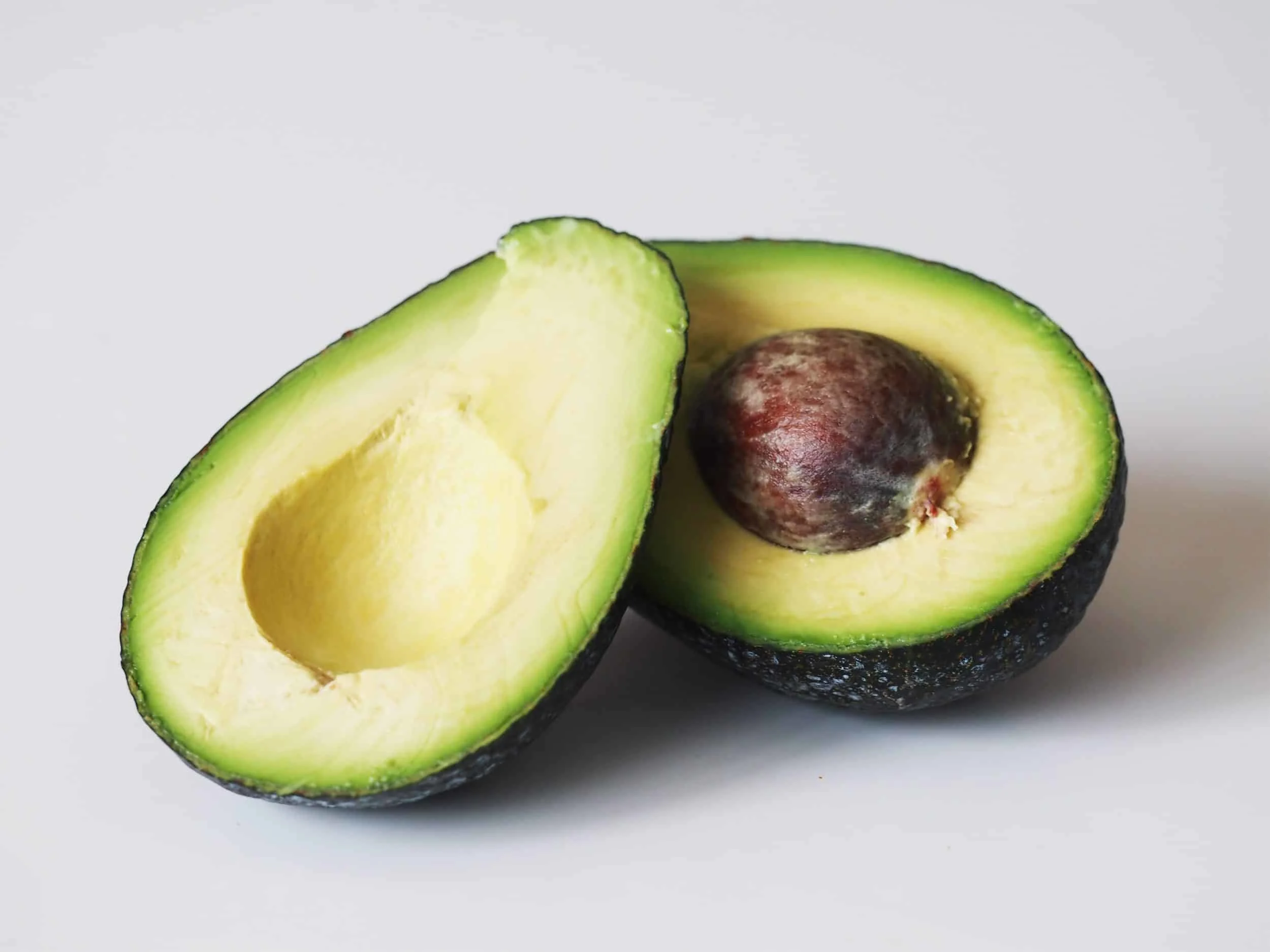
Ofrece mitades grandes o tiras gruesas de aguacate maduro y suave, sin semilla ni cáscara. También puedes machacar el aguacate y servirlo en una cuchara precargada o untarlo sobre otro alimento, como tiras de pan tostado. Si las tiras de aguacate se le resbalan de las manos a tu bebé porque son muy resbaladizas, pásalas por un alimento que les dé más agarre, como semillas de cáñamo o coco rallado.
9 meses +:
A esta edad, el agarre de pinza, en el que el pulgar y el dedo índice se juntan, se está desarrollando, lo que permite que tu bebé tome trozos más pequeños de comida. Por eso, este es un buen momento para reducir el tamaño y ofrecer trozos pequeños de aguacate del tamaño de un bocado. Si a tu bebé le cuesta tomar los trozos pequeños de comida, está perfectamente bien seguir ofreciendo tiras grandes de aguacate o aguacate machacado.
18 meses +:
Ofrece aguacate en tiras, en trozos del tamaño de un bocado o machacado. A esta edad, también puedes servir una mitad de aguacate maduro todavía en su cáscara, lo cual ofrece una excelente textura para practicar sacar el alimento con un utensilio apropiado para la edad.
¿Son los aguacates un peligro de atragantamiento para los bebés?
No. El aguacate maduro y suave presenta un riesgo bajo cuando se prepara de manera segura según la edad y la capacidad de desarrollo de niño(a), aunque, en teoría, una persona podría atragantarse con cualquier alimento. Para reducir el riesgo, prepara y sirve el aguacate de una manera apropiada para la edad, como se describe en Cómo servir. Como siempre, crea un entorno seguro para comer y mantente al alcance de tu bebé durante las comidas.
Conoce las señales de atragantamiento y más sobre los primeros auxilios para el atragantamiento en nuestras guías gratuitas, Rescate para bebés y Rescate para niños(as) pequeños(as).
¿Es el aguacate un alérgeno común?
No. La alergia al aguacate no es común, pero se han reportado reacciones.[1] La alergia al aguacate es más probable en personas alérgicas al banano, la castaña, el kiwi o el látex. Quienes tienen alergia a ciertos pólenes, en especial al polen de abedul, pueden presentar síndrome de alergia oral, también conocido como síndrome de alergia al polen y los alimentos, después de comer aguacate.[2] [3] El síndrome de alergia oral generalmente causa picazón, hormigueo o ardor de corta duración en la boca, y es poco probable que provoque una reacción peligrosa.
¿Es el aguacate un desencadenante de SEIPA?
Sí, el aguacate es un desencadenante reconocido del síndrome de enterocolitis inducida por proteína alimentaria, también conocido como SEIPA, o FPIES, por sus siglas en inglés. El SEIPA es una alergia alimentaria no mediada por IgE que causa vómitos y diarrea tardíos, que generalmente comienzan horas después de ingerir un alimento desencadenante y pueden causar deshidratación significativa. Existe evidencia emergente de que la prevalencia del aguacate como desencadenante de SEIPA es mayor de lo que se creía originalmente. Lee más sobre SEIPA.
¿Es saludable el aguacate para los bebés?
Sí. El aguacate es rico en fibra y en las grasas saludables que los bebés necesitan para apoyar la digestión y el desarrollo del cerebro.[4] Los aguacates también son una fuente rica de vitaminas del complejo B que apoyan el crecimiento, como el folato y la vitamina B6, y contienen vitamina E, además de zinc para fortalecer la salud inmunitaria.
¿Pueden los bebés comer aguacate todos los días?
Sí. El aguacate es rico en nutrientes, fácil de preparar y se puede ofrecer a los bebés con regularidad como parte de una dieta variada. Sus grasas saludables, su textura naturalmente suave y su sabor suave hacen que el aguacate sea un alimento temprano común para los bebés. Dicho esto, como con cualquier alimento, sírvelo como parte de una amplia variedad de otras frutas, verduras, proteínas y granos para asegurarte de que tu bebé se beneficie de todo el espectro de nutrientes disponible en los distintos grupos de alimentos.
¿Pueden los bebés comer guacamole?
Sí. Siempre y cuando no tenga trozos firmes de comida, como aguacate poco maduro o cebolla. Sirve el guacamole en un bowl para que tu bebé lo tome con las manos o con un utensilio, en una cuchara precargada, o untado sobre pan tostado o tiras de tortilla. Prueba el guacamole antes de ofrecérselo a tu bebé para evaluar qué tan picante está. Los bebés pueden comer alimentos picantes tan pronto como estén listos para comer alimentos sólidos, pero conviene empezar con poca cantidad y servir los alimentos picantes según la tolerancia de tu bebé.
¿Con qué puedo mezclar el aguacate para mi bebé?
El sabor suave y la textura blanda del aguacate lo convierten en un ingrediente versátil y en un buen vehículo para otros alimentos. Para bebés pequeños, el aguacate machacado combina bien con banano, mango, pera, batata, calabaza cocida, granos cocidos hasta quedar suaves como avena o quinoa, carne molida bien cocida, y lentejas o frijoles machacados, entre muchas otras opciones.
Material de referencia
Telez-Diaz, G., Ellis, M. H., Morales-Russo, F., & Heiner, D. C. (1995). Prevalence of avocado allergy among atopic patients. Allergy Proceedings: The Official Journal of Regional and State Allergy Societies, 16(5), 241–243. DOI: 10.2500/108854195778702594. Retrieved April 16, 2021
Latex Allergy | AAAAI. (n.d.). The American Academy of Allergy, Asthma & Immunology. Retrieved April 2, 2021
Levy, D. A., Mounedji, N., Noirot, C., & Leynadier, F. (2000). Allergic sensitization and clinical reactions to latex, food and pollen in adult patients. Clinical and Experimental Allergy: Journal of the British Society for Allergy and Clinical Immunology, 30(2), 270–275. DOI: 10.1046/j.1365-2222.2000.00751.x. Retrieved April 16, 2021
Start solids with confidence
- Guided Introduction to 100+ Foods
- Smart Tools to Simplify Mealtime
- Food Allergen 101
- 300+ Meal Ideas
- First Foods® Database
Start solids with confidence
- Guided Introduction to 100+ Foods
- Smart Tools to Simplify Mealtime
- Food Allergen 101
- 300+ Meal Ideas
- First Foods® Database
Consejos de expertos directo en tu correo
Suscríbete para recibir consejos semanales, recetas y más.