25 alimentos no perecederos para bebés en emergencia
25 alimentos que puedes tener en tu despensa para prepararte para emergencias como clima extremo o apagón de luz
Puntos clave
For babies under 12 months, breast milk and formula are the real priority
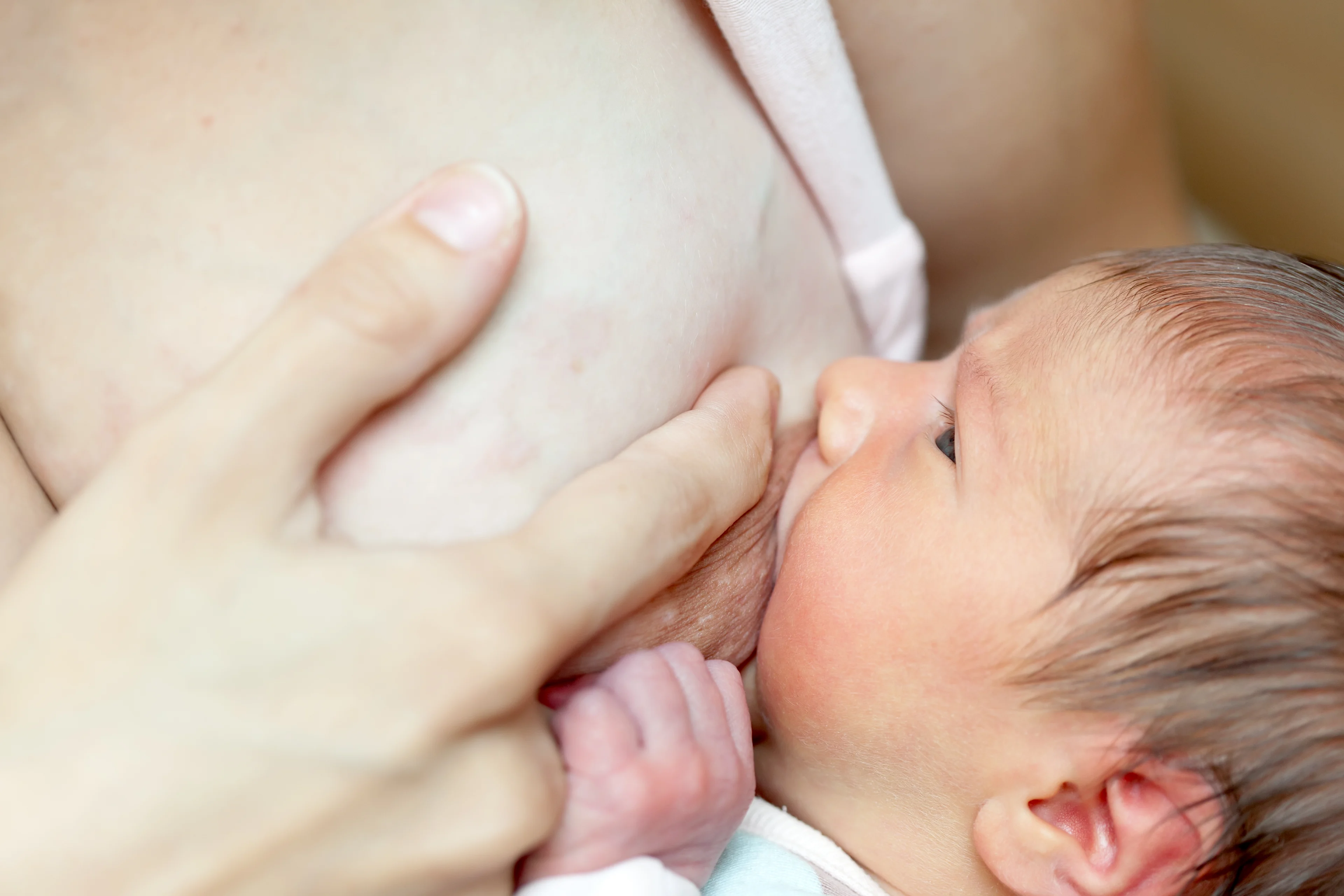
Solid food is for practice at this age, not the primary source of nutrition. In a short-term emergency, the most important thing is to make sure baby has continued access to breast milk and/or formula. If you formula feed, keep an extra canister or a supply of ready-to-feed bottles on hand.
A well-stocked pantry means baby can still join meals in an emergency
Power outages, storms, and supply disruptions happen, and having a selection of shelf-stable foods on hand means you don't have to worry about feeding baby when your usual routine isn't possible. All 25 foods on this list require no cooking and can be shared in an age-appropriate way with babies 6 months and up.
Canned and shelf-stable foods are more nutritious than you might think
Canned salmon, sardines, beans, lentils, and chicken are all protein- and nutrient-rich options that work well for babies. Paired with canned fruits and vegetables, they can make a balanced, nourishing meal even without a functioning kitchen.
Ya sea que quieras estar preparado(a) para enfrentar cambios extremos del clima o un apagón de luz, aquí tenemos 25 alimentos no perecederos que son seguros y saludables para bebés de 6 meses en adelante y no se necesitan cocinar.
Avena instantánea |
Caballa del Atlántico Norte enlatada |
Calabaza enlatada |
Camote o batata enlatado |
Duraznos enlatados |
Ejotes enlatados |
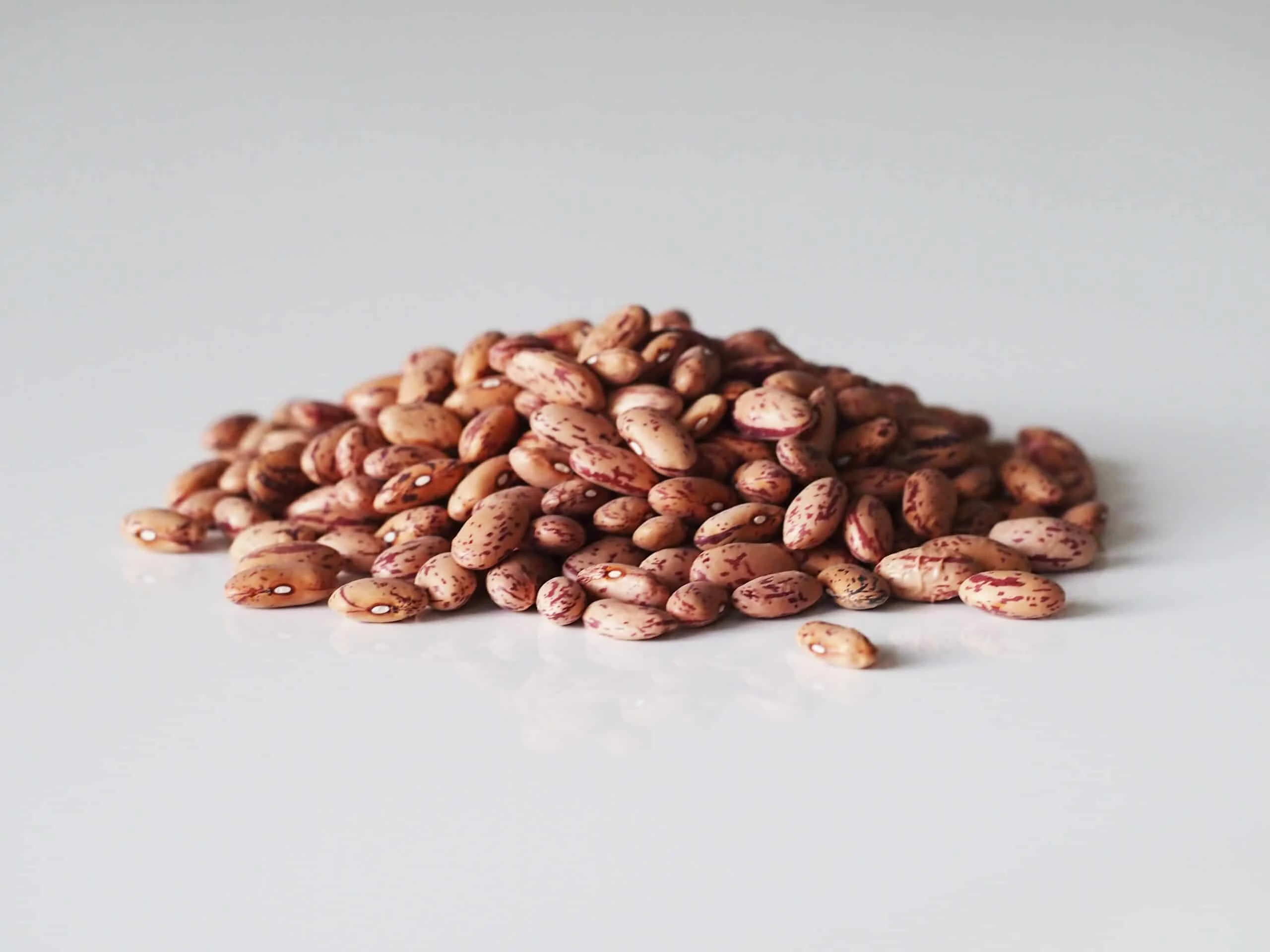
Frijoles enlatados (negros, cannellini, rojos o pintos son excelentes opciones para bebés) |
Garbanzos enlatados |
Lentejas enlatadas |
Maíz bebé cortado a lo largo |
Mandarinas enlatadas |
Mantequilla de semillas de girasol* |
Mantequillas de frutos secos (almendras, anacardo, maní, etc.)* |
Papas enlatadas |
Peras enlatadas |
Piña enlatada |
Pollo enlatado |
Puré de manzana |
Remolacha (betabel) enlatada |
Salmón enlatado |
Semillas de chía (para agregar a leche de coco y hacer pudín de semillas chía) |
Tomates enlatados |
*Debe diluirse con agua o puré de manzana para reducir el riesgo de ahogamiento. Además, recuerda que los frutos secos, la carne seca y las frutas deshidratadas son un peligro de ahogamientos para bebés y niños y deben evitarse.
¿Te preocupa el sodio? Una semana de comer alimentos más altos en sodio no le hará daño a tu bebé.
Por último, varias marcas producen leche entera no perecedera en cartones pequeños del tamaño de una porción. Estos pueden ser excelentes durante una verdadera emergencia y puede ser bueno tenerlos disponibles.
★Consejo: Mantén estos alimentos fuera de alcance colocándolos en el estante más alto de la despensa o gabinete. Así, será menos probable que uses estos productos en el día a día y los tendrás disponibles en caso de emergencia.
Start solids with confidence
- Guided Introduction to 100+ Foods
- Smart Tools to Simplify Mealtime
- Food Allergen 101
- 300+ Meal Ideas
- First Foods® Database
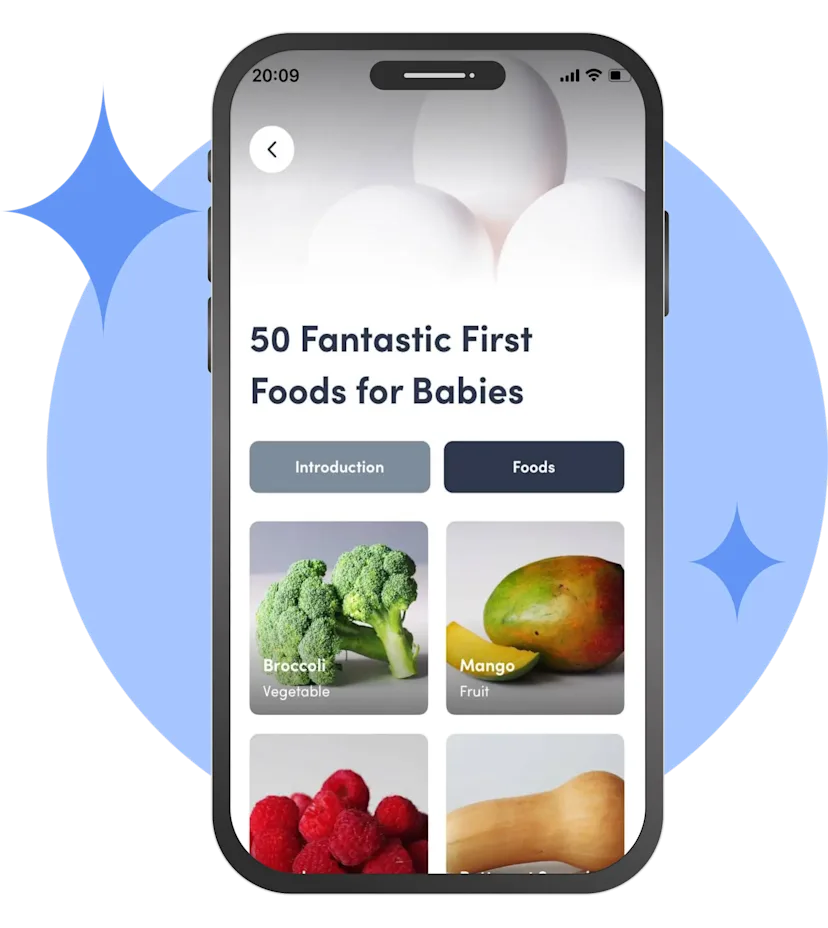
Start solids with confidence
- Guided Introduction to 100+ Foods
- Smart Tools to Simplify Mealtime
- Food Allergen 101
- 300+ Meal Ideas
- First Foods® Database