25 Pantry Foods for Babies in Case of Emergency
Stock your pantry with these 25 no-cook foods that are safe for babies 6 months and up, perfect for power outages, storms, or any time you can't get to the store.
Key Points
For babies under 12 months, breast milk and formula are the real priority
Solid food is for practice at this age, not the primary source of nutrition. In a short-term emergency, the most important thing is to make sure baby has continued access to breast milk and/or formula. If you formula feed, keep an extra canister or a supply of ready-to-feed bottles on hand.
A well-stocked pantry means baby can still join meals in an emergency
Power outages, storms, and supply disruptions happen, and having a selection of shelf-stable foods on hand means you don't have to worry about feeding baby when your usual routine isn't possible. All 25 foods on this list require no cooking and can be shared in an age-appropriate way with babies 6 months and up.
Canned and shelf-stable foods are more nutritious than you might think
Canned salmon, sardines, beans, lentils, and chicken are all protein- and nutrient-rich options that work well for babies. Paired with canned fruits and vegetables, they can make a balanced, nourishing meal even without a functioning kitchen.
Whether you want to stockpile for inclement weather or a blackout, here are 25 pantry foods that are safe for babies 6 months and up, densely nutritious, and don't require cooking:
25 Pantry Foods for Babies in Case of Emergency |
|---|
Applesauce |
Canned Beets |
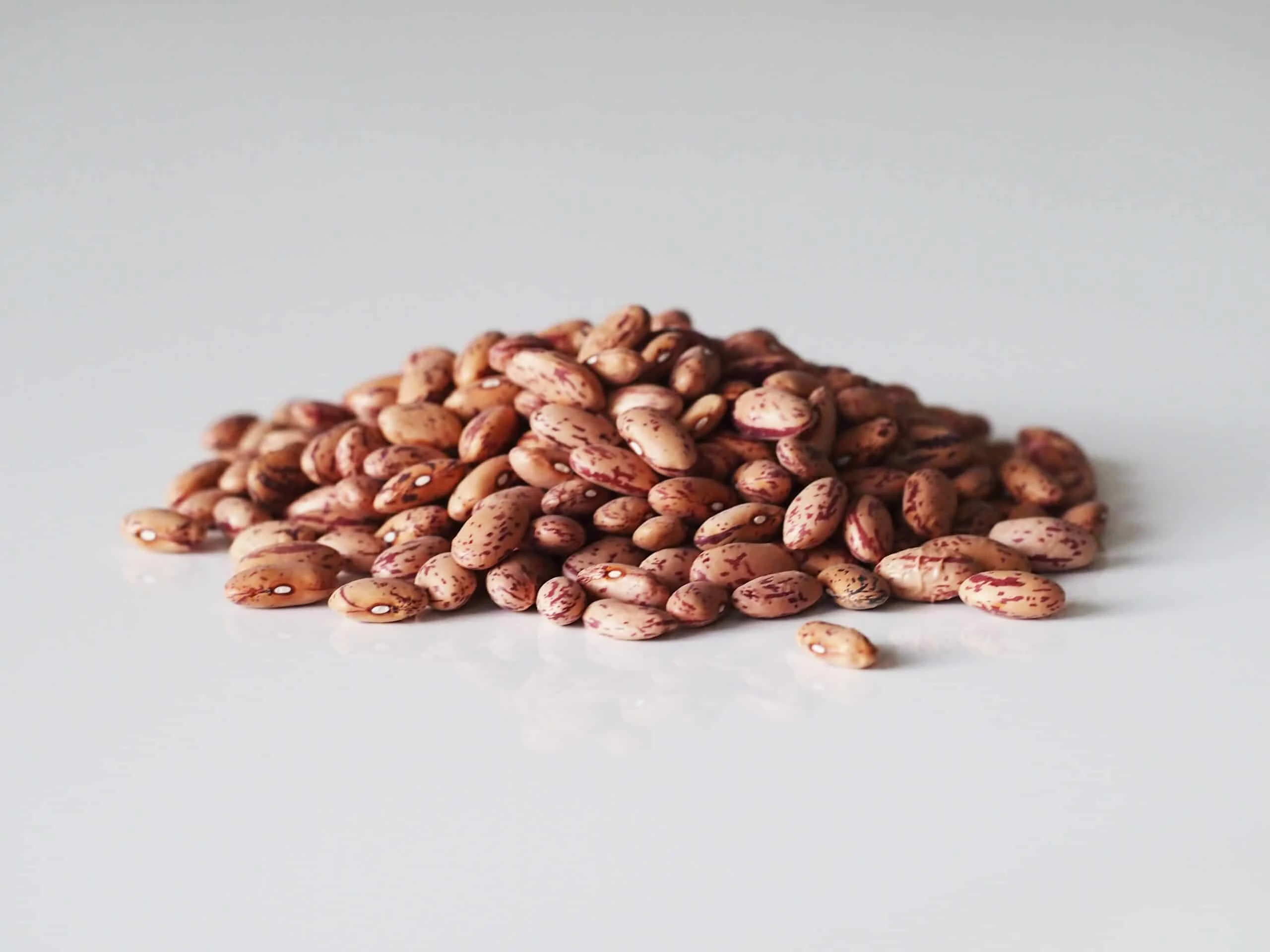
Canned Beans (Black, Cannellini, Kidney, Pinto, are all excellent choices for babies) |
Canned Chicken |
Canned Chickpeas |
Canned Lentils |
Canned Chubb Mackerel |
Canned Baby Corn |
Canned Mandarin Oranges |
Canned Peaches |
Canned Pears |
Canned Pineapple |
Canned Pumpkin |
Canned Salmon |
Canned String Beans |
Canned New Potatoes |
Canned Sweet Potato or Yam |
Canned Tomatoes |
Chia Seeds (add to coconut milk to make chia seed pudding) |
Instant Oatmeal |
Nut Butters (Almond, Cashew, Peanut, etc.)* |
Sunflower Seed Butter |
* Thin with water or applesauce to reduce the choking hazard. Also, remember that dried fruit, beef jerky, and dehydrated fruits are choking hazards for babies and children and should be avoided.
Worried about sodium? One week of higher-than-normal sodium is not going to harm your baby.
Frequently Asked Questions
While it's not necessary, rinsing canned foods can reduce the sodium content. However, in an emergency, when water can be scarce, it's safe to serve them straight from the can, and a week of higher-than-usual sodium won't harm your baby. Do what's possible in the moment; rinsing is a bonus, not a requirement.
Yes. Everything on this list does not require cooking or warming up to be safe for babies. Canned foods are already cooked during processing, so cold or room temperature is completely fine. Babies don't need their food warmed, and many happily eat it cool. Just keep preparing each food in an age-appropriate way, for example, slice canned baby corn lengthwise, flake or mash canned fish, and mash beans or soft fruit as needed.
Canned foods are safe for babies as part of a varied diet, and they're helpful to have on hand as a shelf-stable, nutritious option for meals. BPA is a chemical that has been used in some can linings, and while regulators consider current exposure levels safe, they have been associated with disruption of hormonal functioning in the body.[1] [2] [3] [4] Many manufacturers have moved to BPA-free cans, but many cans that are labeled BPA-free contain BPA substitutes that can have similar impacts on health. If you'd like, you can opt for BPA-free cans, pouches, or cartons when they're available, as well as foods preserved in glass. Ultimately, fed is best, and there's no such thing as perfect food packaging, so do your best and try not to stress when a BPA-free option isn't available.
No. Salmon, sardines, and chub mackerel are all typically low in mercury, and that’s true of both fresh and canned fish products. These fish species are not only low in mercury, but also rich in protein, iron, zinc, omega-3 fats, and other nutrients that support your baby's development. The best thing you can do to protect against mercury exposure is to offer a varied diet over time rather than stress about any one given meal.
Reference Material
Mielech A, Puścion-Jakubik A, Socha K. (2021). Assessment of the Risk of Contamination of Food for Infants and Toddlers. Nutrients. 13(7):2358. Published 2021 Jul 9. doi:10.3390/nu13072358
California Childcare Health Program. (2025, December). Risks associated with bisphenol A in baby bottles. University of California San Francisco.
U.S. Food and Drug Administration. (2023, April 20). Bisphenol A (BPA): Use in food contact application.
Start solids with confidence
- Guided Introduction to 100+ Foods
- Smart Tools to Simplify Mealtime
- Food Allergen 101
- 300+ Meal Ideas
- First Foods® Database
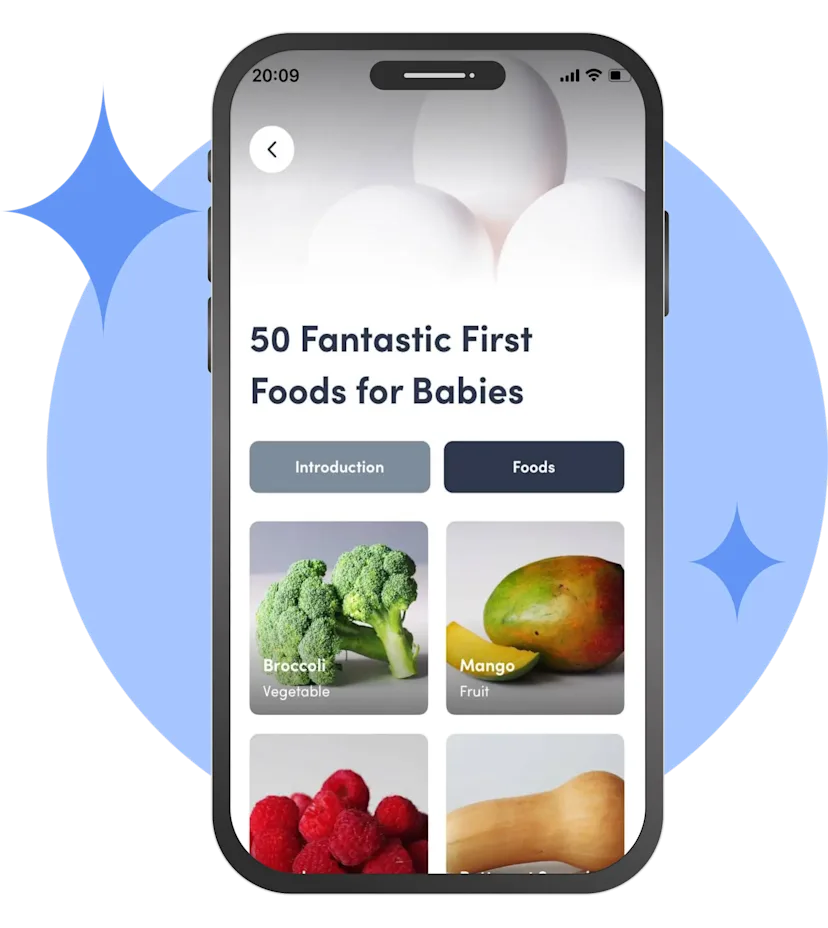
Start solids with confidence
- Guided Introduction to 100+ Foods
- Smart Tools to Simplify Mealtime
- Food Allergen 101
- 300+ Meal Ideas
- First Foods® Database