
Sunflower Seed
Seed
- Age Suggestion
- 6 months
- Iron-Rich
- Yes
- Common Allergen
- No
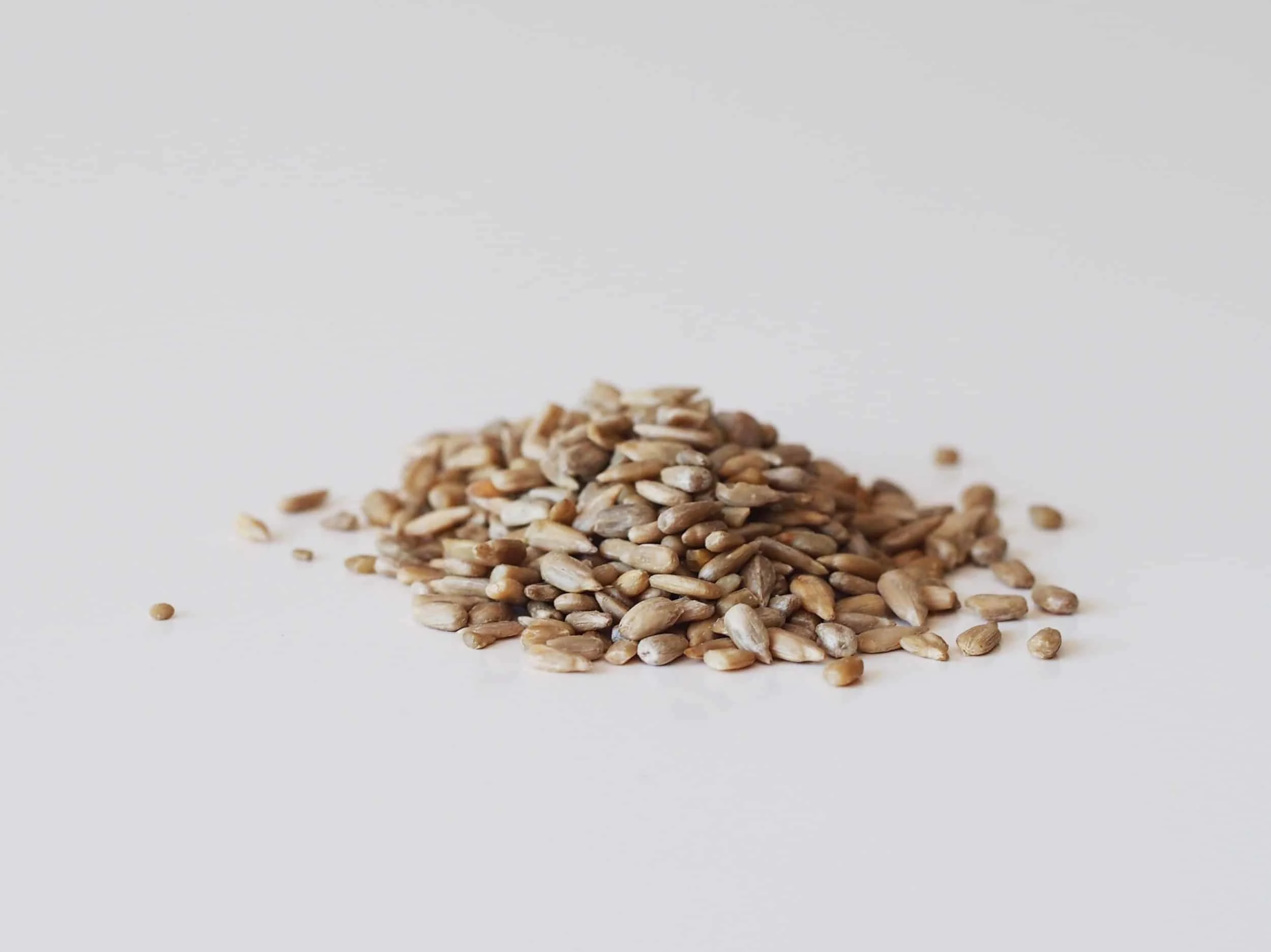
When can babies have sunflower seeds?
Sunflower seeds may be introduced as soon as baby is ready to start solids, as long as the seeds are finely ground or blended into smooth sunflower seed butter (and then thinned out with breast milk, formula, water or yogurt to reduce the choking risk).
Sunflowers were one of the first cultivated crops in the Americas. For centuries, Native Americans have grown and used the plant as a form of medicine; as a dye; and as an important food source. Today, much of the world’s production of the sunflower plant supports the demand for its versatile seeds, which can be eaten in dried, raw, or roasted form; milled into sunflower seed flour; pressed to make sunflower oil; and ground to make sunflower seed butter.
How do you serve sunflower seeds to babies?
Every baby develops on their own timeline, and the suggestions on how to cut or prepare particular foods are generalizations for a broad audience.
6 months old +:
Grind sunflower seeds (hulls removed) in a food processor until completely fine and no large pieces remain. If you do not have a food processor, you can pound the seeds in a cloth with a hammer, a mortar and pestle, or the end of a wine bottle. To serve the ground seed, sprinkle a small amount on yogurt, rice, quinoa, squash, or warm cereal. You can also roll slippery foods like sliced fruit in the ground seed, which adds texture that makes it easier for baby to pick up. Alternatively, thin out smooth sunflower butter (honey-free) with water, breast milk, formula, or purees like applesauce and serve on its own or mix into other soft, scoopable foods like porridge or yogurt. You can also spread the thinned-out sunflower butter very thinly on toast strips. Try serving with a drink in an open cup to help wash down any sticky pieces of food.
12 months old +:
Serve finely ground sunflower seeds (hulls removed) sprinkled onto yogurt, warm cereals, and other scoopable foods. You can also roll slippery foods like sliced fruit in the ground seed, which adds texture that makes it easier for the child to pick up. At this age, you can serve smooth sunflower seed butter without thinning it out first; just make sure it’s thinly spread on other foods or thoroughly mixed into other foods, with no big clumps. Hold off on serving a spoonful of seed butter on its own, as thick globs of seed butter are sticky and difficult for young toddlers to manage in the mouth, qualities that can increase choking risk.
24 months old +:
Sometime after the second birthday, a child may be ready for whole sunflower seeds with the shells removed if they have developed advanced chewing and swallowing skills and are able to sit calmly and follow directions. To reduce choking risk, make sure the child is in a safe eating environment, seated, and engaged in the task of practicing. Start with one sunflower seed at a time. Remove the shell and discard it, then demonstrate placing the seed on your own molars and chew in a very exaggerated fashion. Explain to the child how your big, strong teeth are breaking down the seed. You can even open your mouth before swallowing to show them how it looks after being broken down. Coach the child to do the same.
Are sunflower seeds a choking hazard for babies?
Yes. Sunflower seeds are small, firm, and smooth, and sunflower seed butter can get sticky and hard to manage in the mouth, qualities that increase choking risk. To reduce the risk, prepare and serve sunflower seeds and sunflower seed butter in an age-appropriate way as described in the How to Serve section. As always, make sure you create a safe eating environment and stay within an arm’s reach of baby during meals.
Learn the signs of choking and gagging and more about choking first aid in our free guides, Infant Rescue and Toddler Rescue.
Is sunflower seed a common allergen?
No. Allergy to sunflower seeds is rare, but has been reported. [1]
As you would when introducing any new food, start by offering a small amount for the first few servings. If there is no adverse reaction, gradually increase the quantity over future meals.
Is sunflower seed healthy for babies?
Yes. Sunflower seeds, as well as sunflower seed butter, are rich in protein, fat, and fiber. They also offer iron, selenium, and zinc, in addition to vitamins B6, E, and folate. Together, these nutrients help provide the building blocks baby needs for growth, development, and energy to play and explore. Plus, they help support regular digestion, healthy red blood cells, hormone function, taste perception, metabolism, immunity, and more.
Do I need to start solids with purees?
You can if you’d like, but there's no developmental need to start with textureless food. Babies can be served modified versions of what you eat. Use our First Foods Database to find how to safely serve any food.
How do I calm my own nerves around starting solids?
Knowledge and practice with rescue maneuvers. Parents and caregivers who watch the choking and rescue videos in our Starting Solids bundle often share how confident they feel.
Reference Material
Ukleja-Sokołowska, N., Gawrońska-Ukleja, E., Żbikowska-Gotz, M., Bartuzi, Z., & Sokołowski, Ł. (2016). Sunflower seed allergy. International journal of immunopathology and pharmacology, 29(3), 498–503. doi:10.1177/0394632016651648 Retrieved July 7, 2020
Start solids with confidence
- Guided Introduction to 100+ Foods
- Smart Tools to Simplify Mealtime
- Food Allergen 101
- 300+ Meal Ideas
- First Foods® Database
Start solids with confidence
- Guided Introduction to 100+ Foods
- Smart Tools to Simplify Mealtime
- Food Allergen 101
- 300+ Meal Ideas
- First Foods® Database
Expert Tips Delivered to Your Inbox
Sign up for weekly tips, recipes and more.