21 Foods to Help Baby Poop
Changes in poop, including constipation, are common when babies start eating solid food. Our licensed pediatric professionals share the foods, drinks, and simple habits that can gently get things moving.
Key Points
Constipation is common when starting solids and usually treatable at home
As babies move from a diet of all breast milk and/or formula to one that includes solid food, firmer, less frequent poops are normal. Sometimes this can lead to constipation, but small changes can help most babies get back on track.
Reach for fiber- and water-rich foods
Certain fruits, vegetables, legumes, and seeds soften poop and get it moving, while some foods can firm things up when eaten in large amounts. Variety helps keep things regular.
Offer water, not juice, before the first birthday
Offer a little water in a cup for constipated babies over 6 months old. The AAP advises against fruit juice before age one unless your doctor specifically recommends it.
If baby is developmentally ready for solids and is dealing with some constipation, try working more of the foods below into baby’s meals in age-appropriate ways.
Fruits that draw water into the bowel
These fruits are high in water and, in many cases, sorbitol or mannitol, naturally-occurring sugars that pull more water into the bowel to help soften poop.
Food | Why it helps | Serving idea at 6 months + |
|---|---|---|
Sorbitol, fiber, and high water content | Ripe, soft half, with pit removed | |
Sorbitol, fiber, and high water content | Smashed or finely chopped, with all pits removed | |
Fiber and tiny seeds add bulk; high water content | Large, ripe wedges or semi-circles, with skin removed | |
Fiber and high water content | Very ripe, soft whole or half kiwi, with or without skin | |
Sorbitol, fiber, and water | Ripe, soft spears, or a large pit with some of the fruit removed | |
Fiber plus lots of water | Wedge with rind on or off and membrane and seeds removed | |
Fiber and water | Very ripe, peeled spear or mashed for scooping | |
Sorbitol, fiber, and water | Ripe, soft half with pit removed | |
High in sorbitol and fiber | Ripe, soft (or cooked) half, with core removed | |
Fiber and water | Large, flat ripe slice | |
Sorbitol and fiber | Ripe, soft half with pit removed | |
Very high fiber for their size; tiny seeds add bulk; high water content | Smashed or cooked | |
Very high water content, mannitol, plus some fiber | Large flat slice, rind removed |
Vegetables and legumes with insoluble fiber
These foods offer insoluble fiber, which bulks up poop and helps it move through the digestive system.
Food | Why it helps | Serving idea at 6 months + |
|---|---|---|
Fiber and water (Bonus: sugars called polyols and fats help soften poop, making it easier to pass) | Ripe, soft wedges, spears, or mashed for scooping | |
Insoluble fiber and water | Large cooked half, seeds and pith removed | |
Insoluble fiber and water | Large, cooked floret | |
Fiber and resistant starch (prebiotics) | Mashed | |
Fiber and high water content | Large, soft cooked spear |
Seeds and nuts
Many seeds and nuts add fiber and fats to baby’s diet, which help add bulk to poop and make it easier to pass. Some also help pull water into the digestive system to make for easier pooping.
Food | Why it helps | Serving idea at 6 months + |
|---|---|---|
Fiber and healthy fats | Smooth almond butter thinned with water or mixed into porridge or yogurt. (Note: Almond is a common allergen.) | |
Insoluble and soluble fibers that gel and soften stool and lubricates the gut | Soak the seeds in any baby-friendly liquid like water or breast milk to make a chia gel or pudding for baby to scoop | |
Fiber plus omega-3 fats | Grind and sprinkle into a scoopable food |
Foods that can make constipation worse
Constipation often has more than one cause and can be complex. That said, there are foods that can make constipation worse when baby eats a lot of them and not enough of other fiber-rich foods. This doesn’t mean that you should cut them out of baby’s diet, but it can help to offer them less when baby is already dealing with constipation and add in more fiber-rich and hydrating options.
Rice cereal and white rice. These are low in fiber and can cause or worsen constipation, especially if rice cereal is served often and in the absence of other foods.
Large amounts of cow’s milk products. In some babies, a lot of cheese, or other cow’s milk products can crowd out fiber-rich foods and firm up poop.
Refined, low-fiber grain products. White bread, grain-based puffs, and low-fiber cereal just don’t offer much to help keep things moving.
Water, not juice
Once baby is developmentally ready for solid food, a small amount of water to drink can help keep poops soft and regular as their diet expands beyond breast milk or formula. Offer about 1 to 2 ounces of water in an open or straw cup at baby’s mealtime. Keep it to small amounts, since too much water can take the place of the breast milk or formula that should still be baby's main source of nutrition and hydration through the first year. Learn more in our guide to water for babies.
Avoid offering juice to baby as a constipation remedy, unless your doctor specifically recommends it. Juice is typically high in sugar and can take away room in baby’s belly from the nutrition they need from breast milk and/or formula and, lastly, more research is needed on how effective juice actually is as a constipation remedy for babies and toddlers.
Other things that help beyond food
A few simple habits can help make a difference alongside building the foods above into baby’s diet.
Warm baths: Warm water helps relax baby’s abdominal muscles, which can make a bowel movement easier.
Gentle belly massage: Like a bath, a soft massage of baby’s belly can help relax the abdominal muscles and soothe discomfort.
Keep milk feeds going. Continue breast milk and/or formula as you usually do, as they’re still baby’s main source of hydration (and comfort).
When to call the doctor: Reach out to your pediatric healthcare provider if you see blood in baby's stool, if baby passes hard pellet-like stools with pain or straining to the point of distress, if their belly is firm and swollen, if they're vomiting, or if changes at home don't bring relief within a few days. Constipation in a very young baby (under about 6 weeks) is also worth a call.
Frequently Asked Questions
Yes, you can give prunes in an age-appropriate way every day (such as rehydrated until fully softened and mashed). That said, if you’re offering prunes daily because your baby is struggling with hard poop or constipation, consider talking with baby’s doctor. They may be able to recommend a path that more directly addresses the problem.
Yes, it's possible. Because many of these foods draw water into the bowel or are high in fiber, large amounts can lead to loose stools, gas, or digestive discomfort. If baby's poops get too runny, simply cut back on the portion and aim for a variety of foods rather than a lot of any single one. The goal is soft, comfortable stools, not the loosest possible.
No, there’s no need to stop or remove them from the diet. These are nutritious, everyday foods, and keeping them in regular rotation helps prevent constipation from coming back. Think of them as part of a varied, fiber-rich diet rather than a short-term fix.
It depends on the individual child and the causes of their constipation, but many babies respond within a day or two of adding more fiber- and water-rich foods and a little extra fluid. Every circumstance is a little different, so give changes a few days to work. If there's no improvement after several days, or if baby seems to be in pain or has blood in their stool, check in with your pediatrician.
Start solids with confidence
- Guided Introduction to 100+ Foods
- Smart Tools to Simplify Mealtime
- Food Allergen 101
- 300+ Meal Ideas
- First Foods® Database
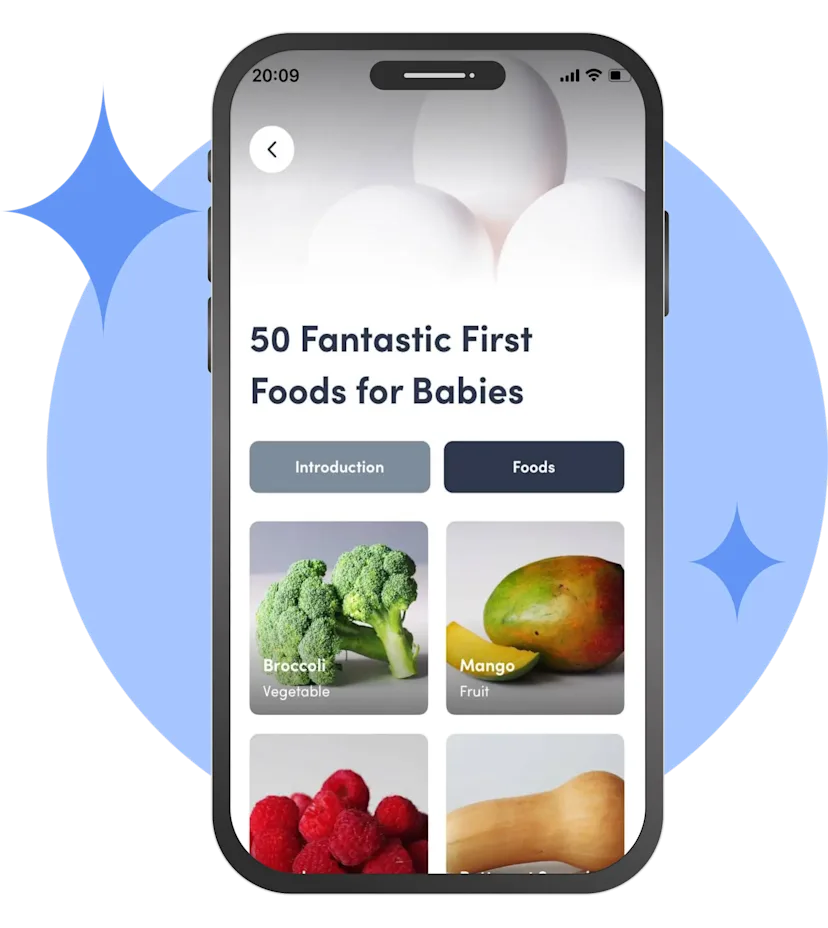
Start solids with confidence
- Guided Introduction to 100+ Foods
- Smart Tools to Simplify Mealtime
- Food Allergen 101
- 300+ Meal Ideas
- First Foods® Database