When to Worry About Baby's Poop
The appearance of baby's poop can vary widely, but there are some times when the color of baby's poop suggests a medical concern.
Key Points
Most poop variations are completely normal
Baby's poop can change dramatically in color, texture, frequency, and smell—especially when starting solids. Most changes are simply part of normal development, not a cause for concern.
There are three colors that always mean it’s time to call your pediatrician
Contact your pediatrician if baby has white poop (which can signal a liver or bile issue), bright red blood in the diaper, or black or tarry poop. Snap a photo if possible so you can show your provider exactly what you're seeing.
Severe constipation or persistent diarrhea need attention
A formula-fed baby with no poop for several days, a breastfed baby with no poop in about 10 days, or multiple watery stools daily—especially with signs of dehydration—should always be evaluated by a healthcare provider.
Starting solid food is going to dramatically change the consistency, frequency, and texture of baby’s poop. Have a constipated baby? See our guide How to Relieve Infant Constipation, written by Dr. Ruiz, a double-board certified pediatrician and pediatric gastroenterologist.
While poop comes in different shapes, sizes, textures, colors, and smells, most of the time these variations are completely normal. But here are 5 scenarios that do warrant medical attention:
White poop
Among younger infants, this may be a sign of a lack of bile from the liver, which is needed to properly digest food. Be sure to take a picture and contact your child’s pediatrician right away.
Bright red poop
Large quantities of bright red blood in the diaper warrants immediate evaluation regardless of whether or not it is associated with pain. Conditions associated with significant blood in the diaper include intussusception, Meckel’s diverticulum, arteriovenous malformation, colonic inflammation, and polyps.
More common, however are streaks of blood seen in the stool. This is often seen in infants and young toddlers with cow’s milk protein allergy. This can also be seen in children with anal fissures or hemorrhoids. Although streaks of blood in the stool do not require urgent medical attention, the child's primary healthcare provider should definitely be made aware of them, as oftentimes they indicate that lifestyle changes are warranted.
Certain medications and foods can also cause red poop that can be confused for blood. These include medications like Amoxicillin and Omnicef, red food coloring, beets, cranberries, tomatoes, and watermelon.
Black or tarry poop
Black poop also warrants immediate evaluation from a healthcare professional. An entirely black stool is most concerning for an upper gastrointestinal bleed, most often located in the stomach or first portion of the small intestine. However, babies who receive iron supplementation (especially in formula) can also have very dark, black-ish stools. Certain foods can also cause a black coloration in stool such as blueberries, black licorice, and grape juice.
Any concern about constipation
Among infants older than 6 weeks of age who have not yet started solids, no poop in a few days for a formula-fed baby or no poop in about 10 days for a baby receiving human milk is unusual. If your child has other symptoms like hard stools, ribbon-like stools, a big belly, decreased appetite, extreme fussiness, or difficulty/discomfort passing stool, please make a visit with your child's primary healthcare provider for further evaluation.
Several watery stools per day
Most often, loose, watery stools occur in conjunction with a viral illness (i.e. a “stomach bug”) and will resolve with time. If an infant or toddler is having watery stools, it is extremely important to focus on hydration, ensuring the child is making at least 3-4 good wet diapers per day. For infants, maintaining hydration with oral rehydration solutions (such as Pedialyte and Drip Drop) and human milk or formula are essential, but offering plain water can be dangerous. Sports drinks such as Gatorade or Powerade are inappropriate as they are high in sugar, which can make the diarrhea even worse. It is never recommended to give any medication to stop diarrhea (such as Imodium). If stools become bloody or if a child is showing signs of dehydration (inability to make tears, dry chapped lips, or few wet diapers), please see a healthcare provider right away.
Frequently Asked Questions
Usually, no. Green poop is common, and it’s almost always harmless. In breastfed babies, it can happen when they drink the thin milk at the start of a feeding but don’t get much of the richer, fattier milk at the end. In babies who drink formula, formula with added iron can turn poop green or dark green. Once baby starts eating solid foods, peas, spinach, and broccoli can also make poop green. Call your pediatrician if the green poop also has mucus, blood, or is very watery.
This is normal, especially when babies are starting solid foods. A baby’s digestive system is shorter than an adult's, and it’s still growing. Foods like corn, beans, peas, blueberry skins, and carrots often pass right through without fully breaking down. That’s okay and not a sign that you should stop serving these foods. With time, their bellies will adjust and you’ll start to see fewer bits of undigested food in their poop.
A little mucus in the diaper is normal. It can show up when baby is teething, drooling a lot, or getting over a mild cold. If you keep noticing mucus in multiple diapers in a row, that's worth a call to your pediatrician. You should also give them a call if mucus is paired with blood, diarrhea, poor weight gain, or a very fussy baby.
Welcome to the smelly-diaper era. Breast milk produces relatively mild-smelling poop, and formula bumps it up a notch. Once solid foods are introduced, baby's gut bacteria diversify and food breaks down differently. This makes poop stinkier, and it’s completely normal. It’s only time to call your pediatrician if a stinky diaper comes with other symptoms like loose poop, fever, or poor appetite.
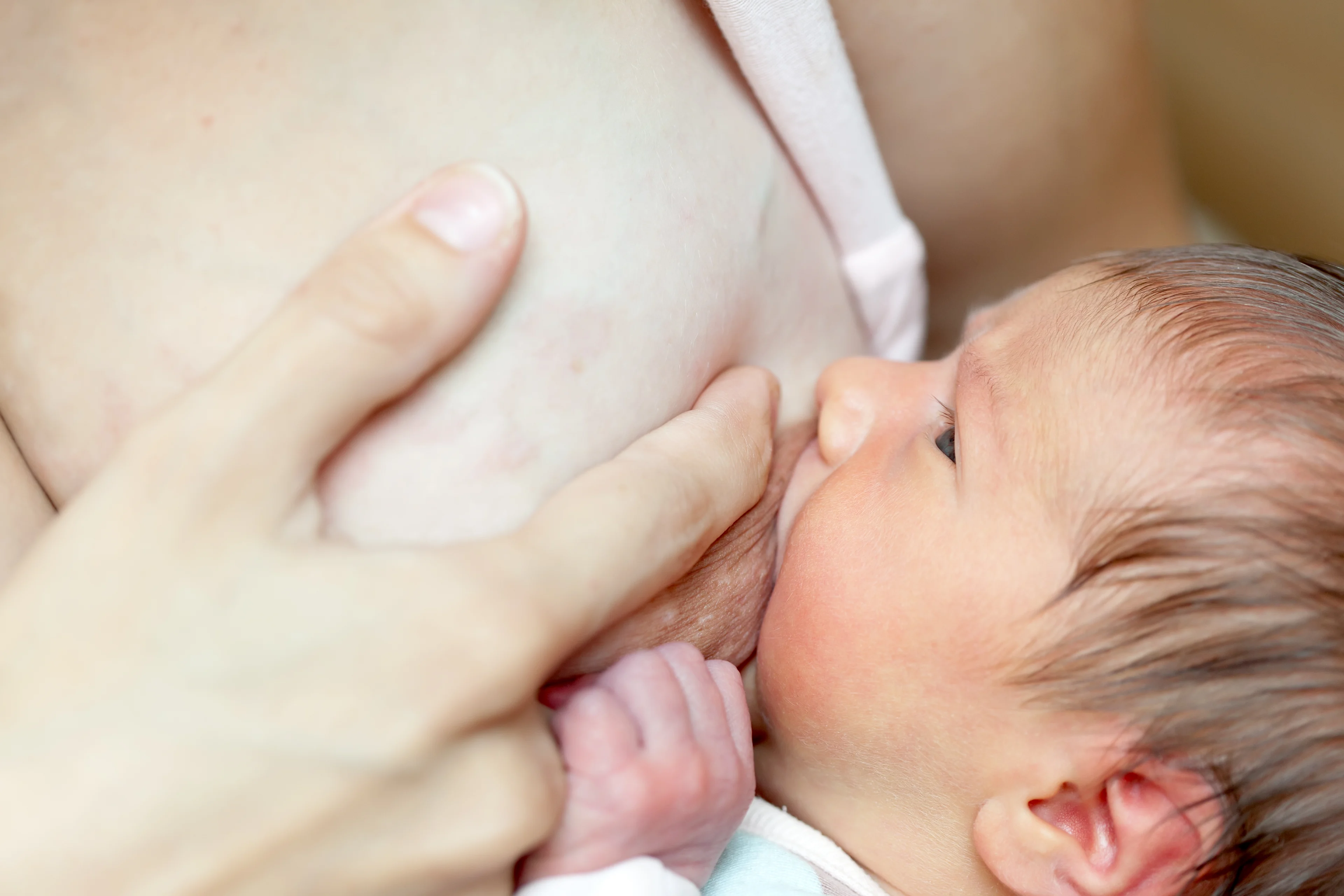
Breastfed baby poop is typically mustard yellow, seedy, soft to runny, and mild-smelling. Formula-fed baby poop is usually thicker in texture, tan to dark brown, and stronger-smelling. Combo-fed babies usually fall somewhere in between.
Start solids with confidence
- Guided Introduction to 100+ Foods
- Smart Tools to Simplify Mealtime
- Food Allergen 101
- 300+ Meal Ideas
- First Foods® Database

Start solids with confidence
- Guided Introduction to 100+ Foods
- Smart Tools to Simplify Mealtime
- Food Allergen 101
- 300+ Meal Ideas
- First Foods® Database