Newborn Feeding Reflexes
Newborns are born with automatic feeding reflexes that help them find food, latch, and swallow from day one. Here's what each reflex looks like, why it matters, and when it fades.

Key Points
Babies are born with built-in reflexes to help them feed
Most babies don’t have to learn to eat when they are born. The movements of sucking and swallowing happen naturally thanks to their reflexes.
Many feeding reflexes are temporary
As babies grow and learn to voluntarily control their movements, many of their feeding reflexes start to fade.
Reflexes are automatic, but may be disrupted
While prematurity, birth interventions, or neurological differences can affect newborn reflexes, so can simple things like pain or sleepiness.
Newborns enter the world with built-in feeding reflexes that help them find food, latch to the breast or bottle, and swallow from day one. The pediatric pros at Solid Starts explain how to spot the feeding reflexes, why each one matters, and when they start to fade.
Feeding Reflexes
When baby is born, you might wonder, “How do I know when they are hungry?” and “How do they know how to eat?”
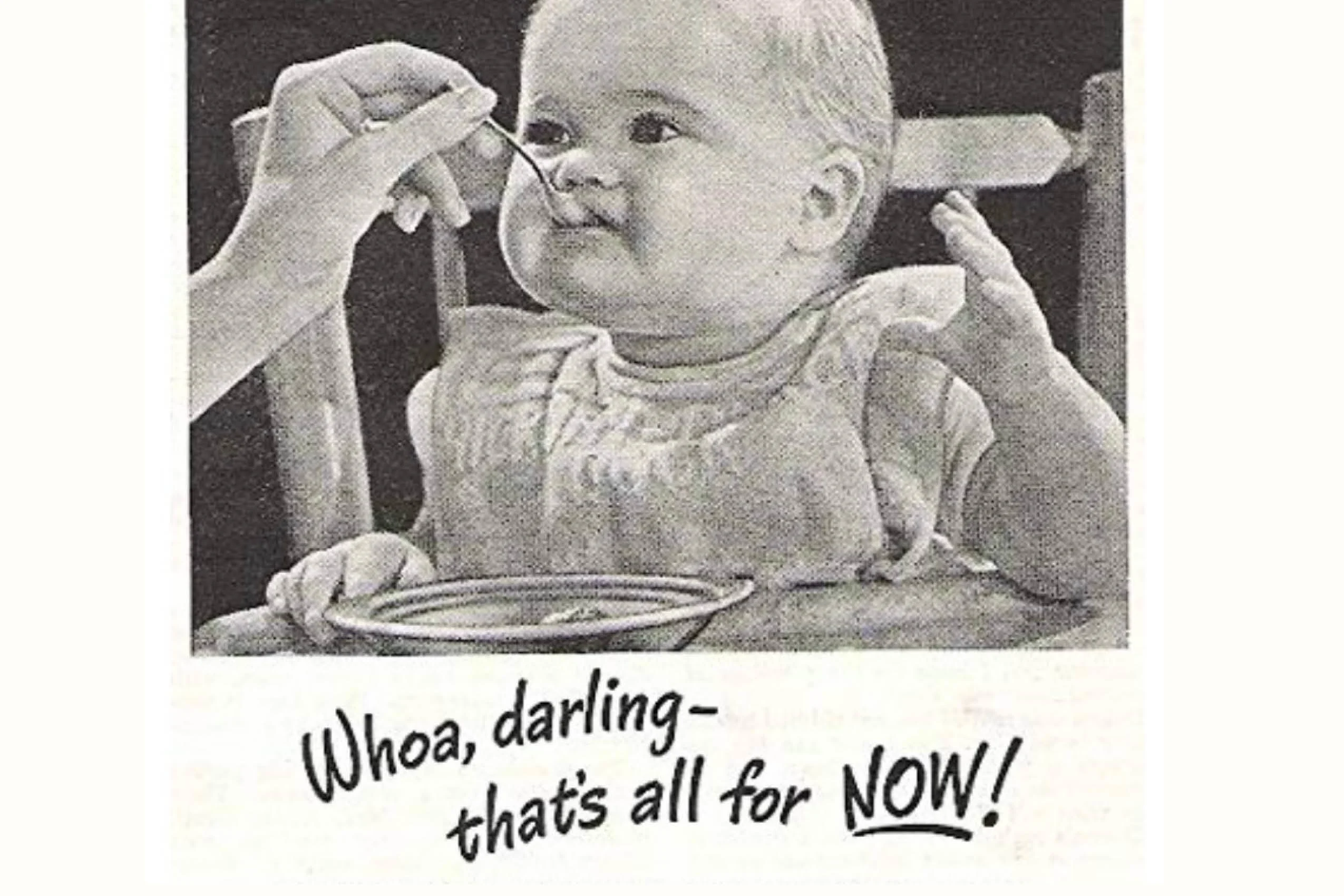
Good news: babies have feeding reflexes that help them eat right away. These reflexes aren’t learned. They're built into baby’s brain from the moment they enter the world.
Rooting Reflex
What it looks like. If you stroke baby’s cheek or the corner of their lips, they will automatically turn toward your touch, tilt their head back, and open their mouth.
Why it matters. The rooting reflex is a newborn’s way of searching for the breast or bottle. It is strongest in the first few weeks of life and gradually fades around 4 months as feeding becomes more intentional.
Sucking Reflex
What it looks like. When their finger or a nipple touches the roof of a baby's mouth, they automatically start to suck. You may have even seen this on an ultrasound… babies practice sucking before they are born!
Why it matters. The sucking reflex works together with the rooting reflex to help babies latch to the breast or bottle so they can get the nutrition that they need. This reflex also fades around 4 months, when most babies have become experts at sucking to swallow breast milk or formula.
Swallowing Reflex
What it looks like. When breastfeeding in the early days of baby’s life, you may not hear much swallowing, but you’ll begin to notice them making small gulps as your milk comes in. This is a good sign that milk is flowing and they are swallowing it.
Why it matters. The sucking and swallowing reflexes work as a team. When a baby sucks, the swallowing reflex protects them from choking. It briefly closes off the breathing tube (trachea) so food moves safely down the food tube (esophagus). The swallow reflex remains throughout life.
Transverse Tongue Reflex
What it looks like. When their hand or a toy touches the side of a baby’s tongue or the inside of their cheek, their tongue automatically moves toward it. This is the transverse tongue reflex.
Why it matters. This reflex sticks around for a while because it plays an important role at mealtime. When breast and bottle feeding, it helps them center the nipple in their mouth and move milk toward the back for swallowing. When starting solids, it helps them practice pushing food to the side to chew. The reflex begins to fade between 9 and 12 months as baby learns to make this movement on their own, but it never fully goes away. Have you ever been at the dentist and have to catch your tongue from darting to the side to touch a tool? That’s the remnants of the transverse tongue reflex, but you have much more control over it.
Phasic Bite Reflex
What it looks like. If you gently press on baby's gums, you’ll notice how they bite down and release, over and over. This is the phasic bite reflex, and it plays a role in stimulating milk flow during breastfeeding by creating rhythmic jaw pressure on the breast.
Why it matters. When babies are ready for solid foods around 6 months of age, the phasic bite reflex remains quite strong—and that’s a good thing. It helps babies learn to chew, which is one reason why we recommend starting with finger foods well before the reflex begins to fade around 9 months.
Tongue Thrust Reflex
What it looks like. When you touch your finger on top of baby’s tongue, they automatically push it out of their mouth. This is the tongue thrust, and it helps keep baby safe when they are feeding.
Why it matters. During the newborn phase, the tongue thrust reflex helps baby latch to the breast and bottle. When they are starting solids around 6 months of age, it helps keep food towards the front of the mouth as they practice chewing. The tongue thrust reflex begins to fade around 4 to 6 months of age, but it’s a motor pattern babies know very well by this point in their lives—and the reflex will continue for a few more months even as it gradually fades away.
Gag Reflex
What it looks like. It’s normal for this protective reflex to be triggered during feeding or even when sucking on a pacifier or their hands, which can be scary to observe, especially the first time. When babies gag, the gag reflex is doing its job: it’s protecting baby from choking.
Why it matters. Babies are born with a very sensitive gag reflex for a good reason. It stops them from swallowing things they shouldn’t. Families often mistake gagging for choking, but they are not the same. The gag reflex becomes less sensitive over time, but never fully goes away in most people.
Reflex | Happens When | Begins to Fade |
|---|---|---|
Rooting reflex | cheek or lips touched | 4 to 6 months |
Sucking reflex | roof of their mouth touched | 4 to 6 months |
Swallowing reflex | liquid reaches the back of the throat | Never |
Transverse tongue reflex | side of tongue or inside of their cheek touched | 9 to 12 months, but remains |
Phasic bite reflex | gums feel pressure | 9 to 12 months |
Tongue thrust reflex | top of tongue touched | 4 to 6 months |
Gag reflex | back of the tongue or back of the roof of the mouth touched | Becomes less sensitive over time (doesn’t go away) |
Frequently Asked Questions
When babies are born, they use their rooting reflex, sucking reflex, swallowing reflex, and gag reflex to stay safe while feeding. They also use their tongue thrust reflex to help them latch to the breast or bottle. Together with the phasic bite reflex, these newborn feeding reflexes play an important role in how babies learn to chew when starting solids. The tongue thrust reflex helps baby stick their tongue out to taste. The transverse tongue reflex and phasic bite reflex practice the movements needed for chewing. The gag reflex continues to help keep baby safe as they practice chewing.
While all of the newborn feeding reflexes are important for feeding, we believe the swallow reflex and gag reflex are the most important. Together with the cough reflex, these reflexes work together to protect the breathing tube when baby is swallowing food.
The rooting reflex is present in most healthy newborns. A baby who is sleepy or full may not show a strong rooting reflex. If you rarely see a rooting reflex, talk to your pediatrician. They can help you assess and determine an appropriate course of action.
Babies are born with a gag reflex and it remains active throughout their life, but it becomes less sensitive over time. A baby’s gag reflex becomes less sensitive as they mouth on their hands, toys, and eventually solid food. If it persists or stays quite strong, explore our tips for how to help babies gagging on solids and talk to your pediatrician. They can help assess baby for conditions like oral aversion and determine the appropriate course of action.
Not necessarily. A baby’s body is built to protect the airway, and while the gag reflex and tongue thrust are additional lines of defense, the airway will still keep food and objects out of it through the cough reflex and by closing on multiple levels inside the breathing tube.
In preemies, integration is delayed proportional to prematurity — so use corrected age, not chronological age when thinking about timing for reflex integration.