How and What to Feed a Sick Baby
Feeding babies can feel stressful enough. Then, baby gets sick and mealtimes can feel even more overwhelming. Learn more about navigating nutrition and hydration during illness from our licensed pediatric professionals.
Key Points
Loss of appetite for solid food is normal with sickness
Babies lose interest in solid food when they’re sick or recovering from sickness, and that’s okay. Breast milk and formula provide the nutrition they need while they get better.
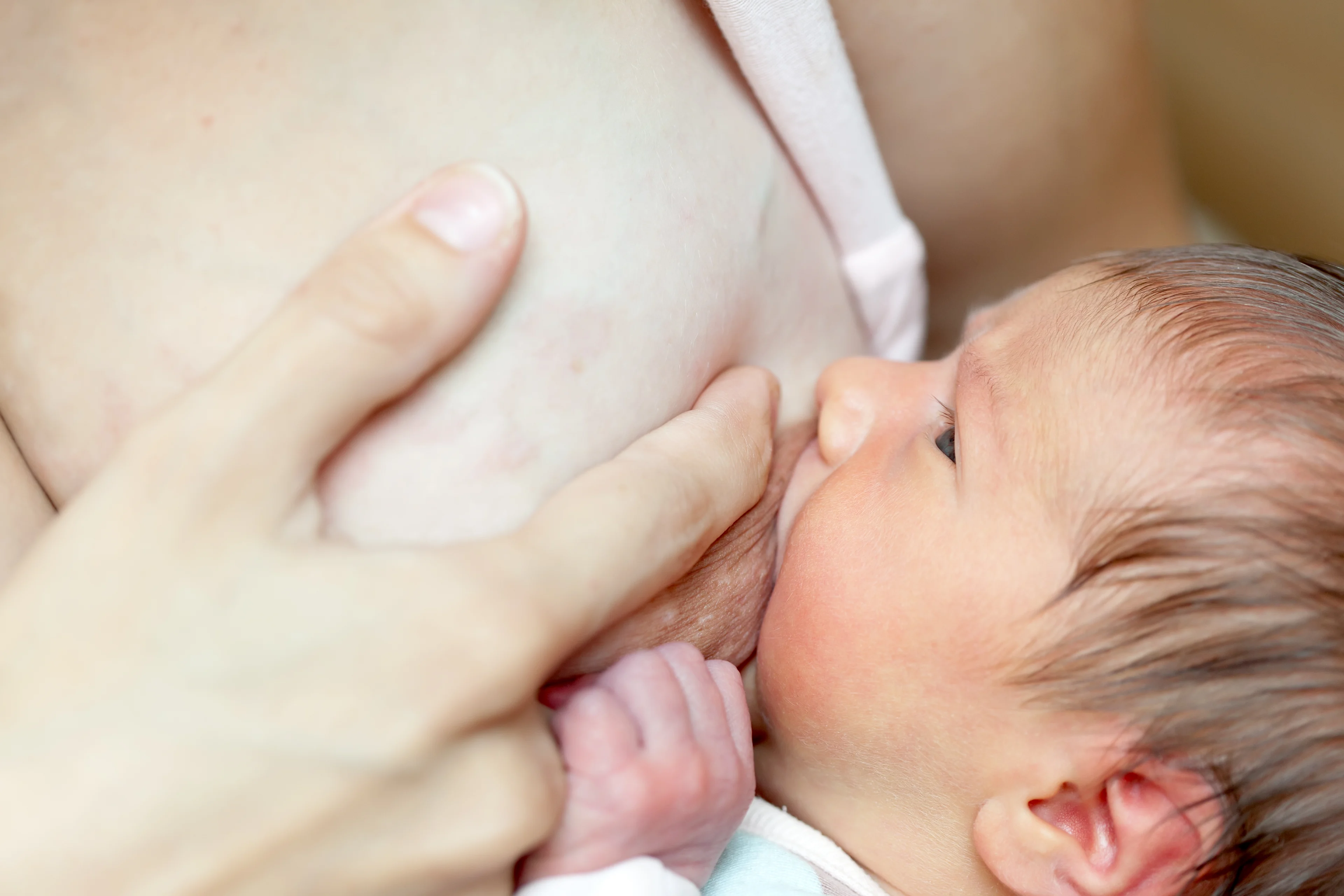
Breast milk and formula pull double duty when baby is sick
Nursing and bottle-feeding provide more than just nutrition and hydration. They also help soothe them when they’re feeling sick.
Smaller, more frequent breast or bottle feeds can help
It is important to honor baby’s hunger and fullness cues when they are sick. Pressuring them to eat won’t help them get better. Follow their lead by letting baby take in as much or as little breast milk or formula as they like. You can try smaller, more frequent feeds to keep them hydrated when they don’t seem to have the energy or interest in feeding at their normal pace.
How do I feed a sick baby?
It’s normal for babies and children to lose interest in eating while sick. Try focusing more on hydration and rest and less on consumption of solid food during this rough patch. Instead, follow baby’s lead in terms of their interest in food and their appetite. Try your best to avoid force feeding or pressuring your child to eat more than they are interested in. Most children will feel better within a few days of an illness like the common cold or a stomach bug.
If you feel concerned, don’t hesitate to reach out to your child’s pediatric healthcare provider for more support, especially if the child’s illness seems persistent.


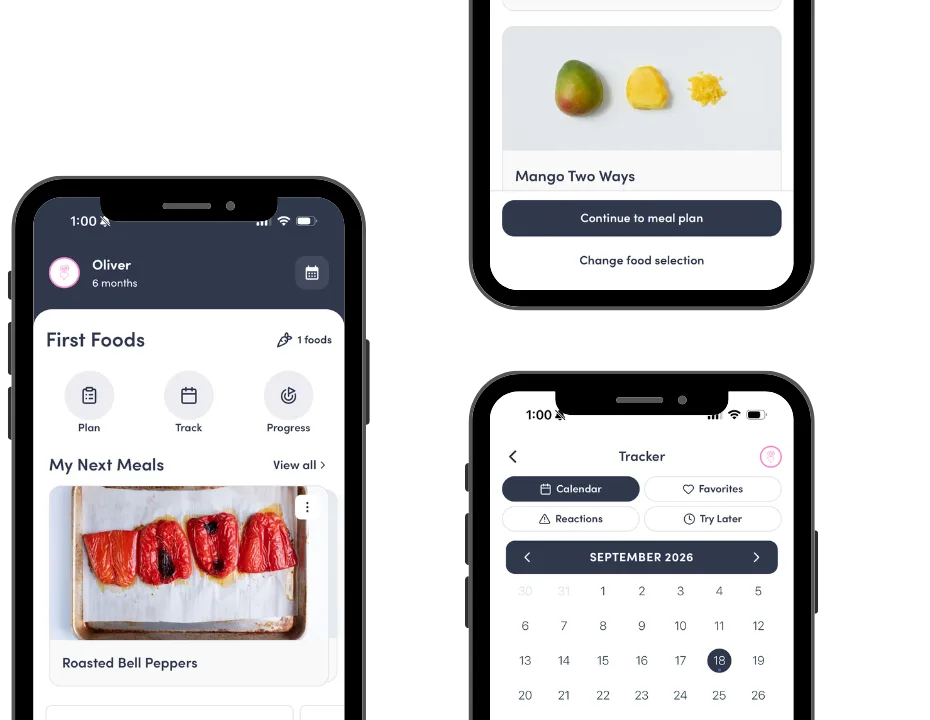
There's even more in the app
Get expert guidance based on your baby's age: serving suggestions, tips, recipes, and more.
What to feed a sick baby who won't eat?
When baby is sick, their interest in solid foods often decreases and they tend to seek out more breast and bottle feeds to meet their nutritional and hydration needs. This is totally normal. Breast and bottle feeds do double duty at this time, supporting baby’s nutrition and hydration needs, as well as offering comfort. If baby is still showing interest in solids, it is perfectly fine to continue to offer solid foods. Offer a variety of foods and feel free to lean on foods that baby tends to enjoy during this period. For ideas on nutrient-dense foods, read 50 Foods to Support Baby's Immune System.
Keep in mind that for some babies, it can take some time for their appetite for solid foods to come back after an illness. This is normal and remember, the priority is to focus on your child’s comfort and hydration.
Plan for navigating sickness
Having a plan when baby is sick can help you feel more prepared:
Connect with your pediatrician. If you are feeling stressed or worried about baby’s sickness, connect with your baby’s pediatric primary care provider for guidance, reassurance, and ongoing monitoring.
Focus on hydration. If baby is feeling uncomfortable and less interested in solids, baby doesn’t have to come to the table at all. Remember, the majority of baby’s nutrition and hydration needs under 12 months of age are met by breast and bottle feeds. For older children, fluids like water, oral rehydration solutions, milk, soups, smoothies, and popsicles can help nourish them during this phase.
Focus on comfort. Extra snuggles, comforting and soft clothing, warm baths, soothing music, and a calm environment can help take the edge off of baby’s discomfort. Symptom reduction can help too, such as removing baby’s snot when possible, or using medications as prescribed by baby’s pediatrician.
Solid meals are optional. If baby is comfortable enough to come to the table, go ahead and bring them. Try having them sit in your lap so they feel comfort from their closeness to you. This can help baby feel more regulated at the table so they can take a few bites if they’re interested. Keep in mind that many babies, when sick, will have a lower tolerance for time in the high chair, so expect mealtimes to be short or take place solely in an adult’s lap for now.
Offer less challenging foods. Foods such as purees, pouches, dips, a warm soup to sip, and even simple finger foods like Cheerios, can all be helpful, as baby is likely feeling weak and uncomfortable. Don’t worry if you feel like you are getting off track with baby’s eating—you can always pick up where you left off when your baby is feeling better. Remember, it can be hard to learn new skills (like chewing) when baby is not feeling well. Focus instead on creating a peaceful and calm feeding environment for baby while they recover.
Then, ease back into your routine as baby starts to feel better. As baby starts to feel better, you can start to ease back into the family meal time schedule. Sit baby in the high chair and try to offer foods they are familiar with and will engage with readily. There’s no need to challenge them too much during this time. They will get back to solid foods when they’re ready. Sometimes, illness symptoms can linger a bit, so it's not uncommon for baby to take a bit longer to resume normal mealtimes, despite an outward appearance of being “back to normal.”
When should I worry about hydration with a sick baby?
In general, babies who make at least 4-6 good wet diapers per 24-hour period and who have normal energy levels are usually adequately hydrated. If you’re concerned your baby is dehydrated or not taking enough fluids, do not wait, get connected immediately with your baby’s doctor for more support.
Also, remember that about 90% of breast milk and standard infant formula is made up of water.[1] Offering breast and bottle feeds, and if recommended by baby’s doctor, infant-specific electrolyte drinks like Pedialyte, can help most babies meet their hydration needs during illness.
Signs of dehydration include but are not limited to:
lower energy levels
decreased wet diapers
dry mouth and/or chapped lips
few to no tears when crying
sunken eyes
dark urine color
sunken soft spot (anterior fontanelle) on top of the head
fussier and more irritable than usual
excessively sleepy
How do I get my baby to drink fluids when sick?
Focus on breast and bottle feeds first. Often, sick babies do better when you offer smaller, more frequent opportunities to sip from the breast or bottle than bigger or longer feedings. Offer as much breast milk and/or formula as baby is willing to take, and continue to respect baby’s cues and avoiding pressuring baby.
Signs baby is open/willing to accept the breast or bottle:
reaching
opening mouth
looking at you and/or breast or bottle
latching and sucking on breast or bottle
Signs baby is unwilling to accept the breast or bottle:
turning head away or arching their body away
pushing the breast and/or bottle away
closing their mouth tight
crying/fussing
Babies 6 months and older can supplement their fluid intake with popsicles, purees, soups, and small amounts of water, though if breast milk and/or formula are not being consumed in adequate amounts, definitely consult with your baby’s healthcare provider. For older babies, offering a choice of cups to drink from, having the child “help” pour a liquid into a cup for them to take, and even putting some of their drink into your cup and letting them drink out of it can help. And remember to stay hydrated yourself! This will not only help keep you from getting sick, too, it also encourages baby to copy you and drink more from their own cup.
What if my baby has COVID?
Follow similar steps as you would with other illnesses. After having COVID, there can be some lingering symptoms like decreased senses of taste and smell which can affect your child’s interest in solids. Fortunately, time, patience, flexibility, and a pressure-free feeding environment all support baby and toddler getting back to eating normally in time. For more, see How to feed babies and toddlers after COVID-19.
Should I give baby the BRAT diet when sick? What should I feed my child if they have diarrhea?
While the BRAT (bananas, rice, applesauce, toast) diet is sometimes suggested when a child is sick in general or has diarrhea, it is no longer recommended by the American Academy of Pediatrics. In fact, it is now recommended to follow your child’s cues, ensure they are hydrated, and offer a variety of foods, which has been shown to help children recover faster and receive the nourishment they need. If you are worried about your child’s digestion, see When to Worry About Baby’s Poop.
Frequently Asked Questions
Wait 20 to 30 minutes before offering anything. Then start slow with small sips instead of a big feed all at once. This gives their tummy time to settle. If baby keeps throwing up, it’s time to contact your pediatrician.
No, this is a common myth. Studies show that milk and dairy do not make congestion worse or cause more mucus. Milk can leave a thick coating in the mouth and throat that feels like more mucus, but it's not. Keep offering breast milk, formula, and dairy just like you normally would when baby is sick.
No. Hold off on honey until after their first birthday. Honey can carry harmful bacteria that causes a serious illness called botulism in babies under 12 months. This goes for all kinds of honey (raw, store-bought, or cooked) and anything made with honey, like bread, cereal, and sauces.
To help ease their cough, focus on keeping baby hydrated with breast milk or formula. You can also try running a cool-mist humidifier in their room, holding them upright, and using saline nose drops to clear out any stuffiness.
Smaller, more frequent feeds tend to work better than waiting for long feeds when baby is sick. You can try saline drops or spray to loosen things up before a feed, then use a bulb syringe or nasal aspirator (like the NoseFrida) to clear out their nose. Feeding them in a more upright position, such as sitting up, can make breathing and feeding a lot easier.
Generally, no. Juice and sports drinks are not recommended for babies, especially during illness. Juice can actually make diarrhea worse because of all the sugar. And sports drinks don't have the right mix of nutrients for babies. Stick with breast milk and formula, along with small sips of water for babies 6 months old and up. If your pediatrician thinks they need extra help staying hydrated, they may recommend special formulas like Pedialyte.
Yes, this is common. Sick babies often want to nurse more frequently for comfort, hydration, and the antibodies that breast milk provides. Shorter, more frequent feeds tend to work better during illness than longer ones. Follow their lead and nurse on demand—your supply will adjust to meet their needs.
This is totally normal. A baby's appetite is usually one of the last things to bounce back after being sick. It can actually lag behind by a few days. Even when they are feeling better, they might still be tired, they may be slow to get their taste and smell back, or they may need to slowly warm back up to solid food. Focus on keeping them nourished with breast milk and formula, and do not pressure them to eat solid food. It can help to bring baby to the table when you are eating so they can watch and be part of the mealtime. With low pressure and lots of opportunities to watch you, they’ll get back on track. If they're still not eating much after one to two weeks, check in with your pediatrician.
Yes, as long as they are free of honey. Cold food teethers like a frozen celery stick, mango pit, or pineapple core can help soothe the gums when baby is teething. Popsicles for babies are also a great choice.
You can also offer purees or mashes instead of finger food if you like, but keep the pressure low. It’s normal for babies to lose interest and refuse solid food when they don’t feel well, and that’s okay. Breast milk and formula provide the nutrition and hydration they need to recover from sickness.
Reference Material
Start solids with confidence
- Guided Introduction to 100+ Foods
- Smart Tools to Simplify Mealtime
- Food Allergen 101
- 300+ Meal Ideas
- First Foods® Database
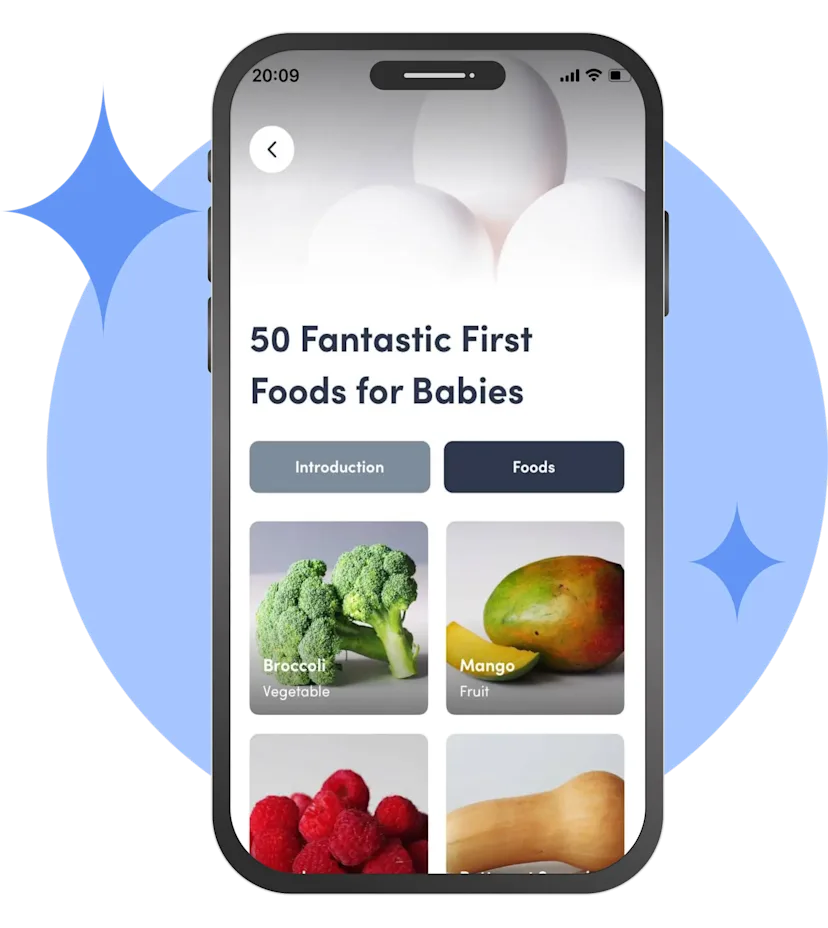
Start solids with confidence
- Guided Introduction to 100+ Foods
- Smart Tools to Simplify Mealtime
- Food Allergen 101
- 300+ Meal Ideas
- First Foods® Database