Popsicles for Babies & Toddlers
What you need to know about popsicles, ice pops, and freeze pops for babies and some recipes for safe, healthy popsicles for baby.
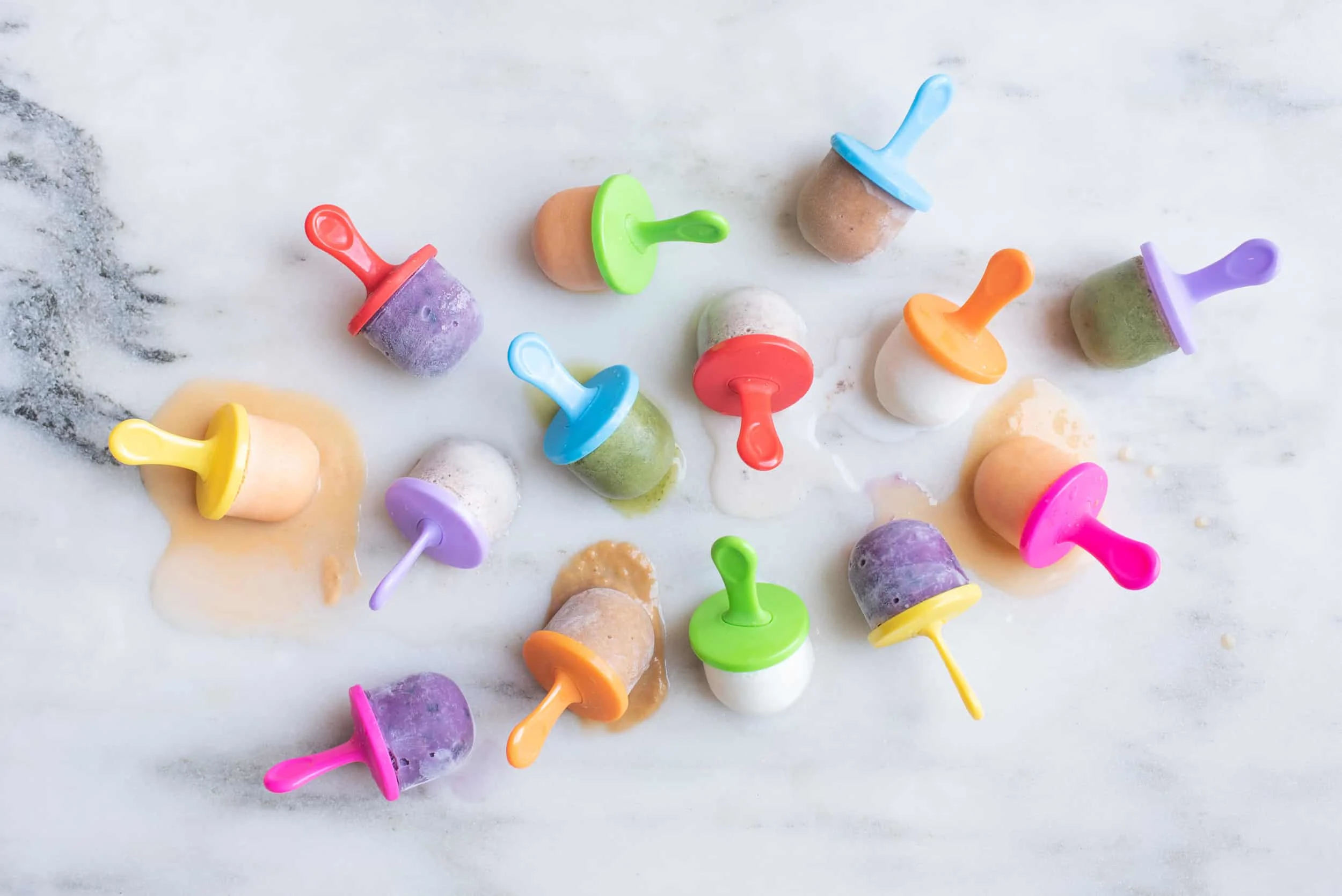
Key Points
It’s safe to offer a popsicle once baby can hold it on their own
Baby should be able to hold the popsicle and bring it to their mouth while they are seated upright. Babies typically develop this skill between 4 and 6 months of age.
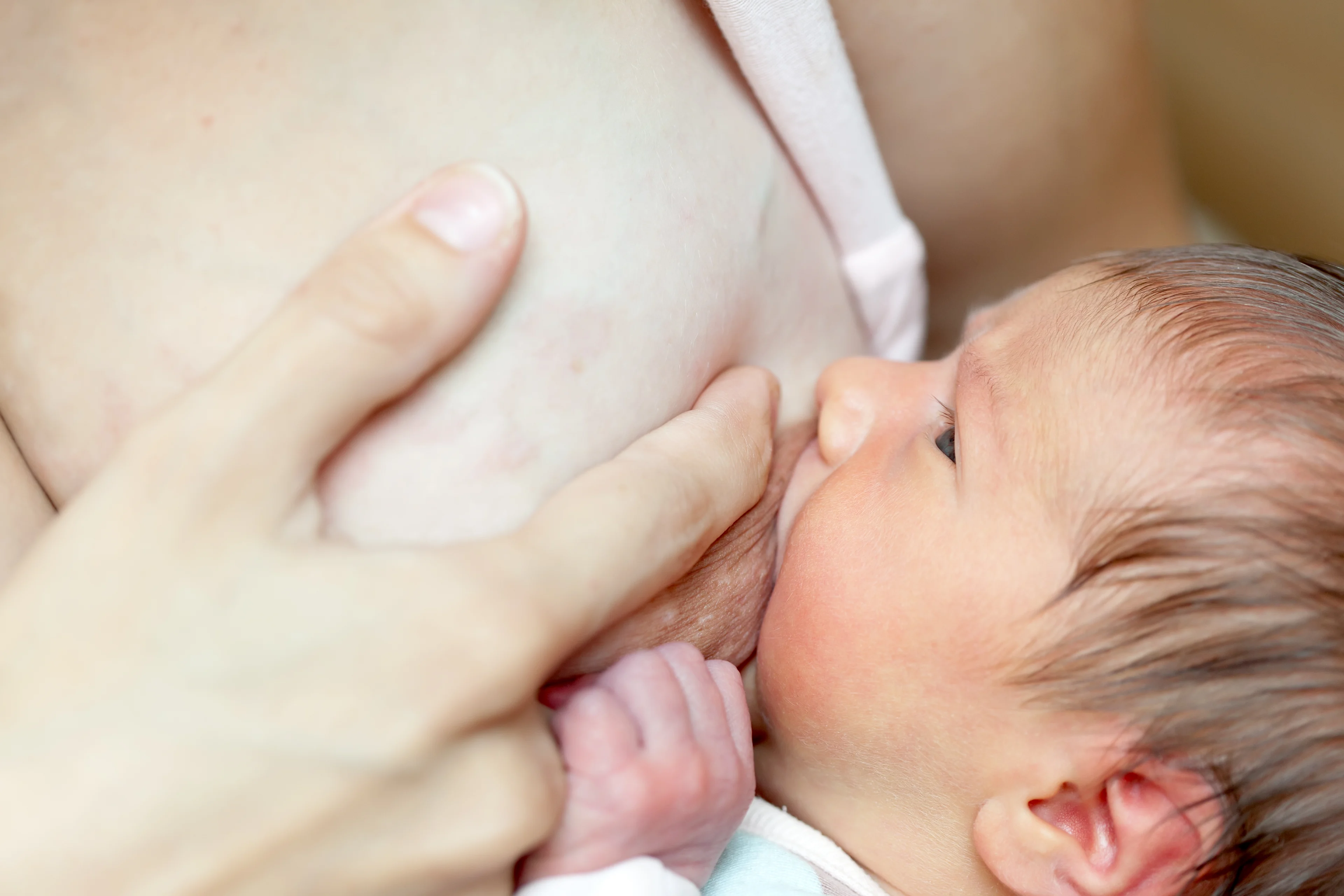
Before 6 months, stick with breast milk popsicles
Wait to offer popsicles made with fruit and other ingredients until baby is ready to start solids around 6 months of age. Before that, popsicles made with only breast milk are a great choice as long as baby can hold it on their own while they are seated upright.
Expect baby to cough and gag as they explore popsicles
Popsicles are cold and when baby manages to bite off a piece, it immediately starts to melt in the mouth. This mix of textures (liquid and semi-solid) is a new challenge for babies. It’s totally normal for them to gag and cough as they figure out how to manage the textures in their mouth.
Tips for Serving Popsicles for Babies
Popsicles, ice pops, or freeze pops can be a fun way to help a child cool down after some fun in the sun, but are popsicles safe for infants? Let's dig in.
You can offer popsicles as soon as your baby is ready to start solids around 6 months of age, but there is no research to say when babies can have popsicles, there are a few things to consider before serving a popsicle to a baby.
Popsicles, freeze pops, and ice pops are usually made with frozen fruit juice or fruit puree. The American Academy of Pediatrics and World Health Organization recommend babies exclusively consume breast milk or formula ideally until 6 months of age; following those guidelines, we'd advise against offering babies fruit popsicles (or any other solid foods) until at least 6 months old.
Store-bought popsicles sometimes contain honey, which should be avoided during the first year of life due to the risk of infant botulism.
Make sure the popsicle has a wide handle for baby to easily grab and hold. When serving popsicles, you want to offer shapes that baby can easily bring to their mouth on their own. This helps lower the risk of choking. If baby is unable to hold the popsicle on their own, offer another food. Frozen celery sticks or a frozen mango pit are excellent food teethers for soothing gums
Can babies have breast milk popsicles, formula popsicles, or teething pops?
Some lactation consultants and infant specialists recommend offering breast milk popsicles or frozen formula ice pops as a way to soothe baby's sore gums while teething or encourage additional hydration if baby is sick and refusing to nurse or take a bottle. Cold items have long been established as a soothing relief for a teething baby, and a popsicle may provide relief for a baby popping teeth.[1]
Literature loosely supports this as a strategy, as cold and chewing pressure can cause localized pain relief, and many moms attest to cold teethers as a relief for teething discomfort.[2] Additionally, breast milk contains analgesic properties, and breast milk popsicles could be helpful for some babies struggling with teething pain.[3] Finally, certain illnesses (e.g., Hand, Foot, and Mouth Disease) can cause painful sores in the baby's mouth and lead to eating refusal; some parents report that allowing baby to chew on breast milk or formula popsicles helps baby stay hydrated and may soothe baby's mouth sufficiently to allow them to take the breast or a bottle.
Technically, breast milk or formula popsicles are nutritionally appropriate for babies younger than 6 months old; however, it’s quite challenging for a baby younger than 6 months old to hold and self-feed. In addition, when one physically places any solid food—even meltable food—into a baby's mouth (as opposed to letting baby bring it to their mouth independently), it can increase the risk of choking. Conversely, when a baby cognitively decides to bring food to their own mouth, the muscles and reflexes involved in swallowing are more coordinated.[4]
As such, it would be wise to use abundant caution when giving popsicles to babies who can't hold them independently.
Are there risks when serving popsicles to babies?
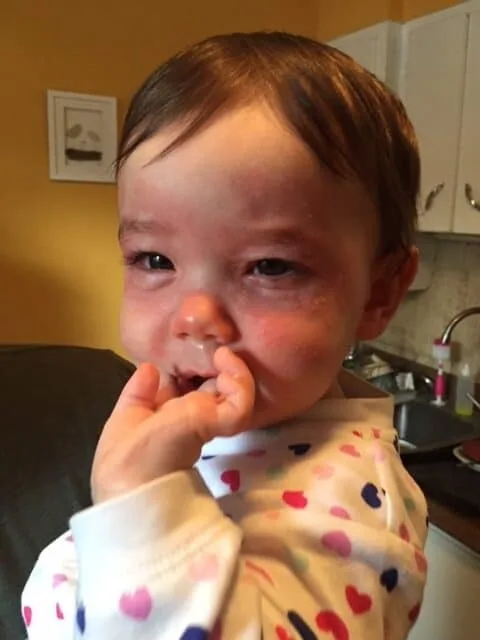
First, stating the obvious, popsicles, freeze pops, and ice pops are very cold. While somewhat rare, it’s possible for baby to develop popsicle panniculitis, which can result in facial swelling and redness and bumps in and around the cheeks in some babies 6 to 72 hours after they suck on something cold or frozen.[5] [6] [7] [8] [9] While not dangerous, popsicle panniculitis can last for weeks. If your child has had popsicle panniculitis already you may want to limit exposure to very cold or frozen foods until they're a little older and less at risk of a recurrence of the condition.
From an oral motor and swallowing perspective, once a baby can bring something to their mouth (around 6 months of age), they should be able to manage the oral motor demands of a popsicle. Baby will likely gnaw, bite, and suck on the popsicle, melting it, and, depending on baby's experience moving liquid around in the mouth, baby may spit or swallow it. If the baby is not used to cold liquids, expect some coughing, but do not be alarmed—this is the body's natural response to the big sensory input from the cold and also a protective mechanism as baby learns to swallow liquid differently (i.e., not from a breast, bottle, or even cup or straw).
If baby uses their gums or teeth to bite off a piece of popsicle or ice pop, baby might allow the piece to fall out of their mouth. If not, the piece will immediately begin to melt, becoming smaller and smaller as baby uses the gums to mash up the soft ice. Don’t be alarmed if the baby coughs. A popsicle is what feeding therapists call a "mixed consistency"—it may be liquid and semi-solid in the mouth at the same time. Baby has to learn to hold both the liquid and the semi-solid in the mouth. Remember, coughing is a good thing—it’s the body's way of protecting baby from having something go the wrong way.
Are there benefits of giving popsicles to babies?
Babies learn through experiences, and eating a cold popsicle is a fun new experience that offers a lot of sensory information at once. Popsicles are sometimes used in feeding therapy to help improve swallowing safety and "alert" the mouth in preparation for eating new foods and building chewing skills.[10] While too much cold can numb the mouth, a little bit of cold might help some babies map the inside of their mouth.
Another possible benefit is that popsicles are a mixed texture (liquid and solid), which is challenging for many babies. Mixed textures can help baby build new skills, though it may be best to wait until baby is 9 months or older and has developed some skill with chewing and swallowing solid foods first.
Last, homemade popsicles can be an excellent way to introduce delicious flavors to baby and use up any store-bought baby food puree jars and pouches that baby has outgrown. Consider branching out beyond basic fruits and include finely diced herbs and vegetable purees into your popsicles. Some examples include raspberry, spinach, and rosemary; strawberry, cucumber, mint, and ginger; and mango, carrot, and turmeric.
Popsicle Recipes for Babies
Age: 6 months +
Yield: All recipes make multiple popsicles, depending on the popsicle mold.
Some of these recipes contain common allergens, such as dairy, peanut, or tree nuts. Only serve to a child after these allergens have been safely introduced. Always check for potential allergens in ingredients listed on the labels of store-bought processed foods. Added ingredients may include honey, which should not be given to babies younger than 12 months of age.
The Elvis
1 banana
1 cooked sweet potato
1 tablespoon creamy peanut butter
1 cup (8 ounces) fresh breast milk, cow milk, nut milk, or formula
Add all ingredients to a blender and blend until smooth. Pour into age-appropriate popsicle molds and freeze for at least 2 hours. Frozen popsicles keep up to 4 months.
Purple Potato Eater
1 cooked purple potato
1 cup (8 ounces) fresh breast milk, cow milk, nut milk, or formula
½ cup fresh or frozen blueberries
¼ tsp ground cinnamon
Add all ingredients to a blender and blend until smooth. Pour into age-appropriate popsicle molds and freeze for at least 2 hours. Frozen popsicles keep up to 4 months. ⠀⠀⠀⠀⠀⠀⠀⠀⠀
Cashew Delight
4 tablespoons cashew cream
½ cup (4 ounces) almond milk
½ cup (4 ounces) fresh breast milk, cow milk, nut milk, or formula
1 teaspoon chia seeds
½ teaspoon ground cinnamon
Add all ingredients to a blender and blend until smooth. Pour into age-appropriate popsicle molds and freeze for at least 2 hours. Frozen popsicles keep up to 4 months. ⠀⠀
Green-a Colada
1 cup (8 ounces) fresh breast milk, cow milk, nut milk, or formula
½ cup (4 ounces) coconut milk
1 cup chopped, de-ribbed kale
⅛ cup fresh mint leaves
½ cup pineapple
Add all ingredients to a blender and blend until smooth. Pour into age-appropriate popsicle molds and freeze for at least 2 hours. Frozen popsicles keep up to 4 months.
Orange Julius
1 large carrot, peeled and chopped
Juice of 2 large oranges
2 tablespoons cashew butter
1 cup (8 ounces) fresh breast milk, cow milk, nut milk, or formula
Add all ingredients to a blender and blend until smooth. Pour into age-appropriate popsicle molds and freeze for at least 2 hours. Frozen popsicles keep up to 4 months.
Ghost-Sicles
½ cup Greek yogurt
1 cup (8 ounces) fresh breast milk, cow milk, nut milk, or formula
¼ cup shredded coconut
Add all ingredients to a blender and blend until smooth. Pour into age-appropriate popsicle molds and freeze for at least 2 hours. Frozen popsicles keep up to 4 months.
Frequently Asked Questions
Babies can safely explore a breast milk popsicle when they are able to hold it independently and bring it to their mouth on their own while they are seated upright. This usually happens around 4 to 6 months of age. Keep in mind that babies should only consume breast milk and formula before they start solids, so wait to introduce popsicles made with fruit and other ingredients until they show all of the signs that they are ready.
Fruit is a great addition as long as baby is showing all of the signs that they are ready to start solids, which typically happens around 6 months of age. If baby is not yet ready, stick with just breast milk in your popsicles for now.
Breast milk popsicles can be stored in an airtight container in the freezer for up to 6 months as long as the breast milk was freshly pumped and immediately frozen after mixing the popsicle base. Avoid using previously frozen breast milk to prepare popsicles that will be frozen for later use. Learn more about how to store, warm, and cook with breast milk.
Reference Material
Tsang, A. (2010) Teething, teething pain, and teething remedies. International Dentistry, 12(5).
Markman, L. (2009). Teething: Facts and Fiction. Pediatrics in Review, 30(8), e59–e64.
Gray,L. et al (2002). Breastfeeding Is Analgesic in Healthy Newborns. Pediatrics, 109 (4) 590-593; DOI: https://doi.org/10.1542/peds.109.4.590
Start solids with confidence
- Guided Introduction to 100+ Foods
- Smart Tools to Simplify Mealtime
- Food Allergen 101
- 300+ Meal Ideas
- First Foods® Database
Start solids with confidence
- Guided Introduction to 100+ Foods
- Smart Tools to Simplify Mealtime
- Food Allergen 101
- 300+ Meal Ideas
- First Foods® Database