
When to Start Solids with Preemies
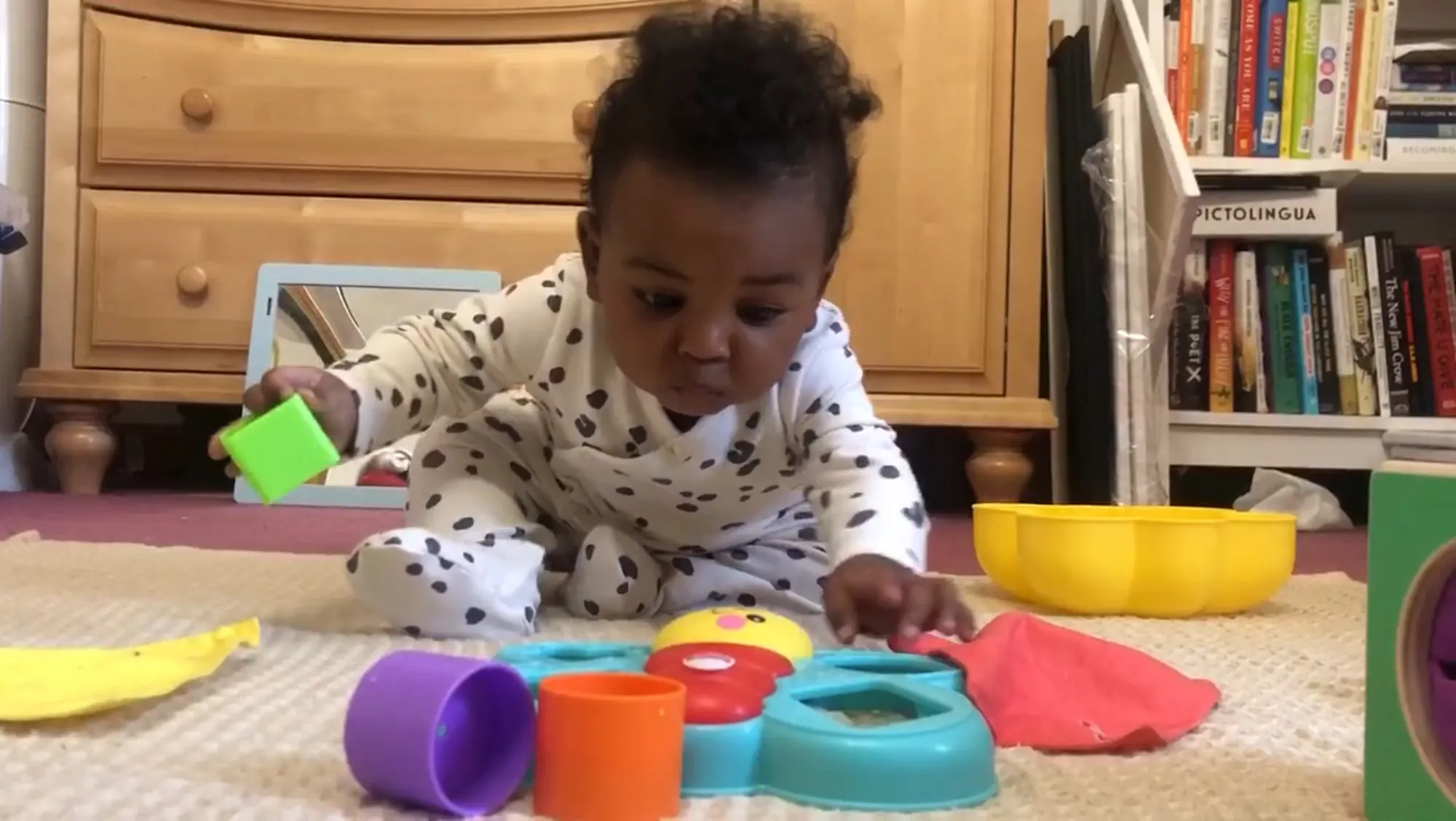
Some premature babies are ready to start solids around the same time as their peers, while others may need to wait. Our pediatric pros explain how to tell when a preemie is ready for solid food and what you need to do to get started.
When should a premature baby start solids?
Some premature babies may be ready around the chronological age of 6 months while others need more time. Most preemies are ready between 6 months chronological age and 6 months adjusted age, but try not to get hung up on age and instead focus on readiness: you can introduce solid food to a premature baby once they show all of the signs that they are developmentally ready.
Sitting: Baby can sit with minimal support
Head Control: Baby can hold head upright and steady for a few minutes
Reach & Grab: Baby can pick up objects while seated and bring them to the mouth
Interest: Baby intently watches you eat, mouths for food, or leans forward to reach it
There are some exceptions. For example, solid food should not be introduced prior to 3 months adjusted age even if the baby is 6 months chronological age. It is also important to consult your doctor before starting solids if baby has developmental delays or medical needs. They can help you develop a plan that ensures baby has opportunities to safely explore solids in a way that meets their unique needs.
Maeve, 4.5 months adjusted age, needs a lot of help to sit, and isn’t ready to reach while sitting.
How to start solids with preemies
Once a premature baby shows all signs that they are developmentally ready, it is time to offer solid food. Here is your checklist to get started:
Set up a safe eating environment
Learn about gagging and choking
Take an infant rescue course
Identify safe food shapes and sizes
Know how to modify choking hazards
Consider solids in your feeding routine
Plan to introduce allergens early
Be able to spot allergic reactions
Pick an open cup and straw cup
Review ways to minimize the mess
Use the Solid Starts App for help choosing first foods and guidance from our pediatric pros at every step of the way.
Frequently Asked Questions
When to seek help
While most premature babies can start solids as soon as they show all signs that they are developmentally ready, it is important to consult your doctor if:
baby is already receiving developmental support
baby has a history of dysphagia
baby has a history of weight gain challenges
baby requires tube feedings
baby is not on track to meet developmental milestones for feeding by 8 to 9 months chronological age
Written By
V. Kalami, MNSP, RD, CSP. Pediatric Dietitian/Nutritionist
K. Grenawitzke, OTD, OTR/L, SCFES, IBCLC, CNT. Pediatric Feeding/Swallowing Specialist
M. Suarez, MS, OTRL/L, SWC, CLEC. Pediatric Feeding/Swallowing Specialist
S. Bajowala, MD, FAAAAI. Pediatric Allergist & Immunologist
R. Ruiz, MD, FAAP, CLC. Pediatric Gastroenterologist
Ready to get started?
Download the app to start your journey.
Get 10% Off
Sign up to save and get weekly tips, recipes and more.




Copyright © 2026 • Solid Starts Inc