Minimizing the Mess with Baby-Led Weaning
Baby-led weaning is messy — but it doesn't have to take over your life. Get practical tips from our feeding specialists on how to minimize the mess and make clean-up faster and easier.
Key Points
Some mess is normal—and worth it
Food exploration is how babies build the skills they need to become confident, capable eaters. The squishing, smearing, and throwing is all part of the process, not a sign that things are going wrong. That said, a little preparation can help reduce the mess and make the clean-up manageable.
The right gear makes a big difference
The right product (like a waterproof splat mat, a bib, a pitcher of warm water at the ready, and a reliable stain remover) and a little bit of set-up before the meal can cut down on clean-up time.
It gets cleaner with practice
The mess is temporary. The more your baby practices self-feeding, the faster they build the hand skills and utensil control that land more food in their mouth and less on the floor, so resist the urge to take over with a spoon.
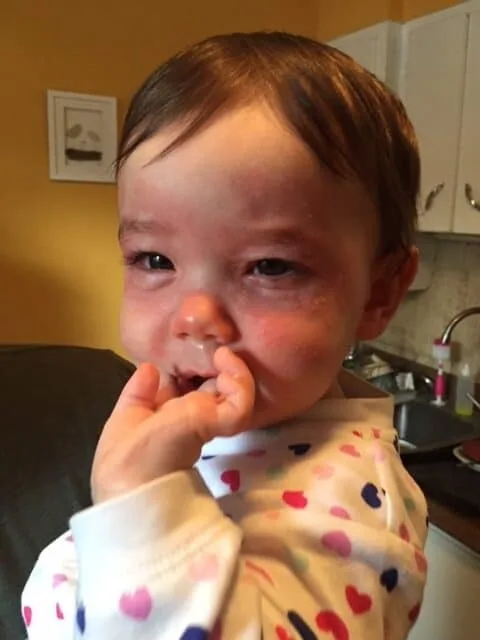
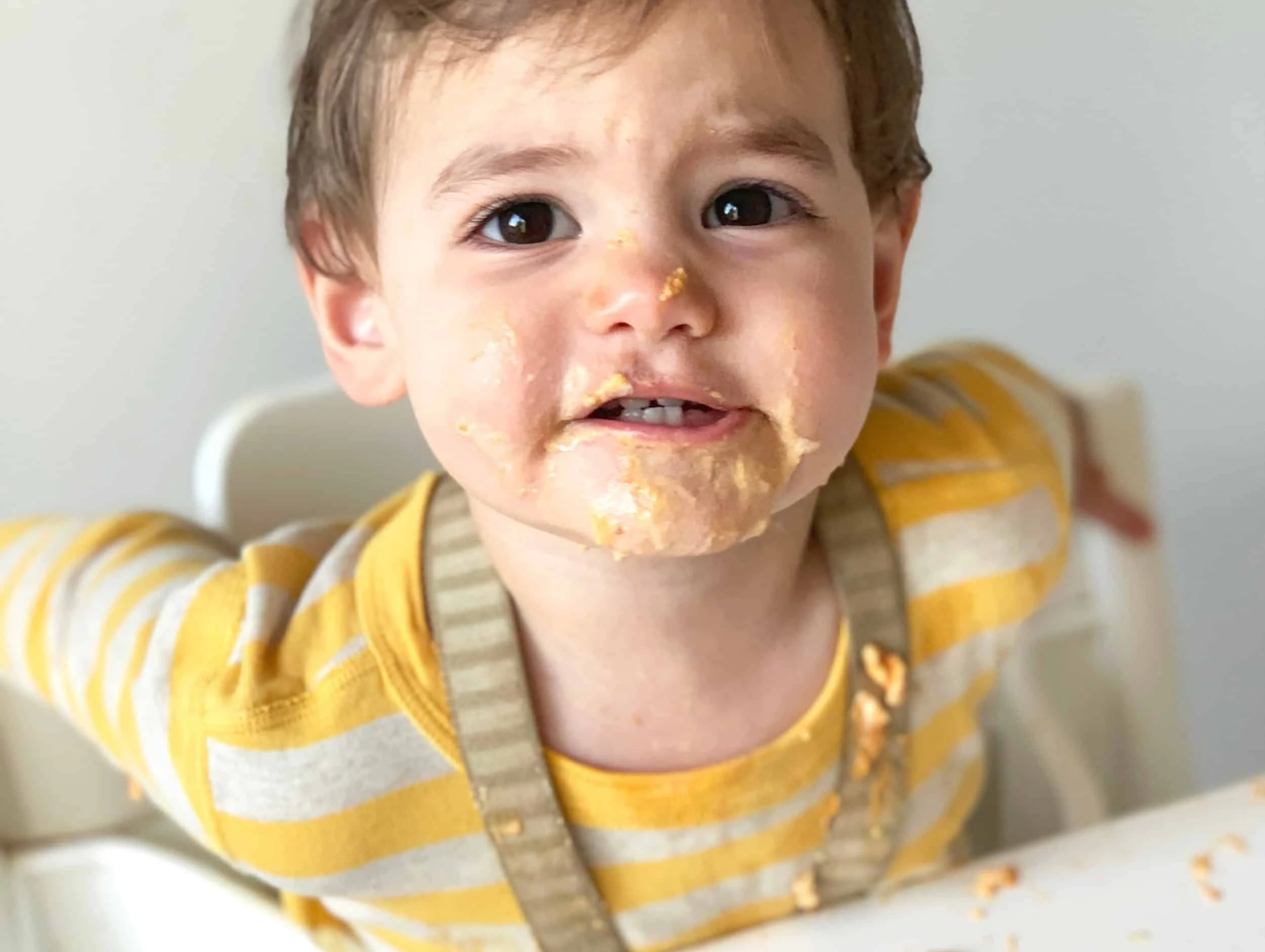
Baby-led weaning is M-E-S-S-Y. Baby is learning what solid food is for the very first time, and is developing the motor skills to be able to pick up and manage it for themselves. One of the key ideas of baby-led weaning is that baby benefits from being able to explore their food and feed themselves, all of which comes with some mistakes. They might mash food between their fingers because they’re learning what the sensation feels like, or they might spit out some food because they’re not sure if it’s ready to swallow yet. The mess is expected and part of the learning process–it’s how baby will develop the skills they need to feed themselves safely and enjoy meals with the rest of the family.
There are many reasons why messy eating is good for babies, but that doesn't mean every meal needs to be a marathon clean-up. There are a few things you can do to minimize the mess as baby is learning how to feed themselves.
How to Minimize the Mess With Baby-Led Weaning
Cover your floors with waterproof splat mats.
Use more than one if needed and consider taking outside and hosing off when possible for easy clean up.
Consider a mess catcher for thrown food.
Products like the Catchy help to collect food that baby drops off the side of the high chair and stop it from hitting the floor.
Put baby in footed pajamas and cover with a bib.
When the meal is over, simply shake out any large pieces, unzip, and redress.
Order a ton of baby washcloths.
Extra washcloths on hand are a must and can help you wipe the table and clean up any spills on the floor in the moment.
Use a pitcher filled with warm water.
Bring a pitcher of warm water to the table and keep off the the side. Use it to wipe off hands, arms, feet and lower legs after each meal.
Don’t rely on suction plates or bowls to keep clean.
(But do use these fabulous products to help your baby self-feed.)
Use both a straw cup and open cup at each meal.
At the beginning of the meal, start with the open cup with just a little bit of milk/formula/breastmilk in it. Then as the meal wears on, switch to a straw cup. (The end of the meal is when babies are most likely to throw things.)
Get a dog. Or two.
(Seriously though, be careful with what your dog eats and if baby starts to feed dog a lot, put your dog in another room during mealtime so it doesn't become a game.)
Frequently Asked Questions
No, although you certainly can if you want to. Even for very messy meals, it’s fine to just use a wet washcloth or a pitcher of warm water and clean the spots where baby needs it. Consider baby’s bathtime schedule in the context of your specific child: some babies have sensitive skin, which might get more irritated from frequent, full baths, for example. For meals that tend to stain baby’s skin (like beets or blueberries) or foods that get into baby’s hair, on the other hand, a soak in a full bath can be helpful.
It depends on what you’re trying to get the stain off from, but generally speaking, the sooner you treat a stain, the better your odds. Rinse fresh stains in cool water before they set, and avoid hot water, which can lock them in.
For clothes and fabric bibs, pre-treat with a stain remover or a little dish soap, let it sit, then wash as usual; stubborn marks from foods like tomato, berries, or turmeric often fade with a few hours of sunlight after washing. One of our favorite pre-treatment tips: mix together equal parts hydrogen peroxide, baking soda, and Dawn dish soap. Mix together, then gently rub the mixture onto the stain with a laundry brush or old toothbrush, and let it set for at least 30 minutes before washing.
For high chairs, wipe down the tray and seams after each meal, and every so often give removable parts a soak in warm, soapy water to get into the grooves or run them through the dishwasher if they are dishwasher-safe.
Yes! There is light at the end of this (pretty gross) tunnel. As your baby gets more skilled with their hands, a pincer grasp, and eventually utensils and cups, more food makes it into their mouth and less ends up on the floor or behind their ears. Typically, this happens closer to 18-24 months of age, but this also really depends on how much practice the child gets, not just time passing. Keep this in mind when you’re tempted to keep spoon-feeding baby: the more chances they have to practice feeding themselves, the sooner they’ll get the skills to do it more accurately and cleanly.
Start solids with confidence
- Guided Introduction to 100+ Foods
- Smart Tools to Simplify Mealtime
- Food Allergen 101
- 300+ Meal Ideas
- First Foods® Database

Start solids with confidence
- Guided Introduction to 100+ Foods
- Smart Tools to Simplify Mealtime
- Food Allergen 101
- 300+ Meal Ideas
- First Foods® Database