What to Do When a Toddler Won’t Eat Vegetables
You can't make a toddler eat vegetables, but you can invite them to explore. Here are feeding therapist–backed, no-pressure ways to help your child taste and eventually enjoy them.
Key Points
You can't make a toddler eat vegetables, but you can invite them to explore
Pressure, bribing, and tricks tend to backfire in the long-term. The goal is to help your toddler feel safe and curious enough to examine, touch, and eventually taste veggies in their own time.
Take the power out of it
The more it matters to you that your toddler eats their vegetables, the more powerful their refusal becomes. Staying calm and low-key and treating veggies as no big deal makes it far more likely your child will come around over time.
There are many ways to help a toddler explore vegetables
Cooking together, veggies-and-dip snacks, and playful curiosity all build familiarity without the pressure to eat. Each small, no-stakes encounter is a step toward tasting, and eventually enjoying, vegetables.
Toddlers often have an ambivalent relationship with vegetables. It’s a common issue that many parents face. So, what do you do when a toddler won’t eat their vegetables?
Exploring Leads to Eating
There is no way to make a child eat veggies, but parents and caregivers can encourage exploration. The goal shouldn’t be to force the issue just to get vegetables in their belly—we want the child to choose to explore vegetables and eventually taste them. Over time, they will decide if they like them. Consider the following strategies to help the child choose to explore and taste the foods.
Environment
The eating environment sets the stage and situation for a child’s willingness to explore, taste, and eventually eat food they are reluctant about. In all the strategies below, remain calm and confident and keep the pressure low.
Remove the power. The more you want it, the more power you give to the vegetable refusal. Imagine for a moment there is a cupcake on the dinner plate and the child opted for the rice and chicken instead—you know eventually they’ll go for the cupcake, realize it's delicious, and likely add cupcakes to their list of accepted and enjoyed foods. Channel that same vibe for veggies—know that it really doesn't matter if the child eats the vegetables or not, and at some point they'll decide to eat them because they are delicious and familiar.
Set the scene. Kids are more likely to explore and try something new when they are calm, organized, and feeling safe. Remember to model a calm demeanor for yourself, as well.
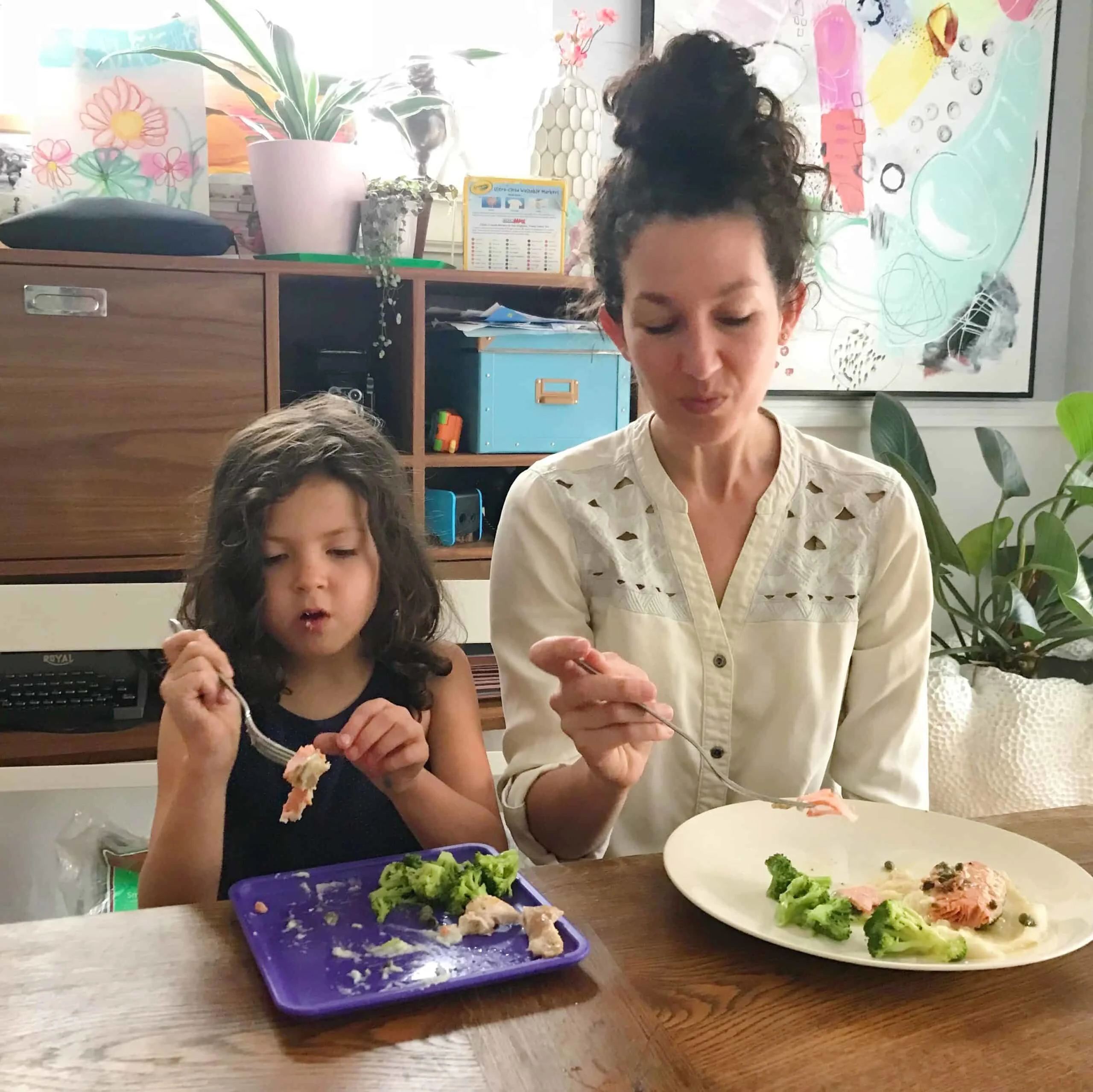
Model. Kids often let their guard down when they see parents or caregivers doing something. Eat with the child and let them watch you eat the same foods you want them to eat.
Use a bit of hunger motivation. People are more likely to eat something when they’re a little bit hungry (not totally full and not very hungry either). Serving vegetables and dip as an appetizer about 30 minutes before dinner or offering a bite of a vegetable in the kitchen while you are preparing lunch can often lead to more interest than serving them at a meal where they compete with other foods that fill their belly.
Generate Curiosity
Toddlers are naturally curious about the world around them, but often that natural curiosity gets stifled at the table when we want them to please just eat something. Silliness, questions, and engagement can all rekindle curiosity and encourage a child to pay attention to the vegetables.
Fun and silly questions or observations. Children are more likely to try something new and enjoy it when having fun, being silly, and tapping into their inherent curiosity and drive to learn. Engage their fun, silly curiosity with questions like:
"My broccoli trees are different sizes. Do you have a biiiig broccoli tree?"
Pick up two pieces of broccoli from your plate and say, "Look! This broccoli tree is a mama-size tree and this is her baby! Do you have a grandpa tree?"
With foods like mashed potatoes, try something like, "You poked the potatoes. I am going to poke mine too. Oops! Now my finger is wearing a potato hat."
Put different foods together and say something like, "My broccoli trees stand up in my mashed potatoes. How about yours?"
Complete a task. Engage a child’s natural desire to learn with a task like adding cheese or butter to the food. Say, "Ahh, I forgot to add cheese to the broccoli! Can you sprinkle some of this cheese on there?" or "Here's a little butter, please mix it into the potatoes."
Beyond the table
Because there is some natural toddler hesitation around new foods or vegetables at the table, offer exploration away from the table to increase a toddler’s willingness to touch and explore vegetables.
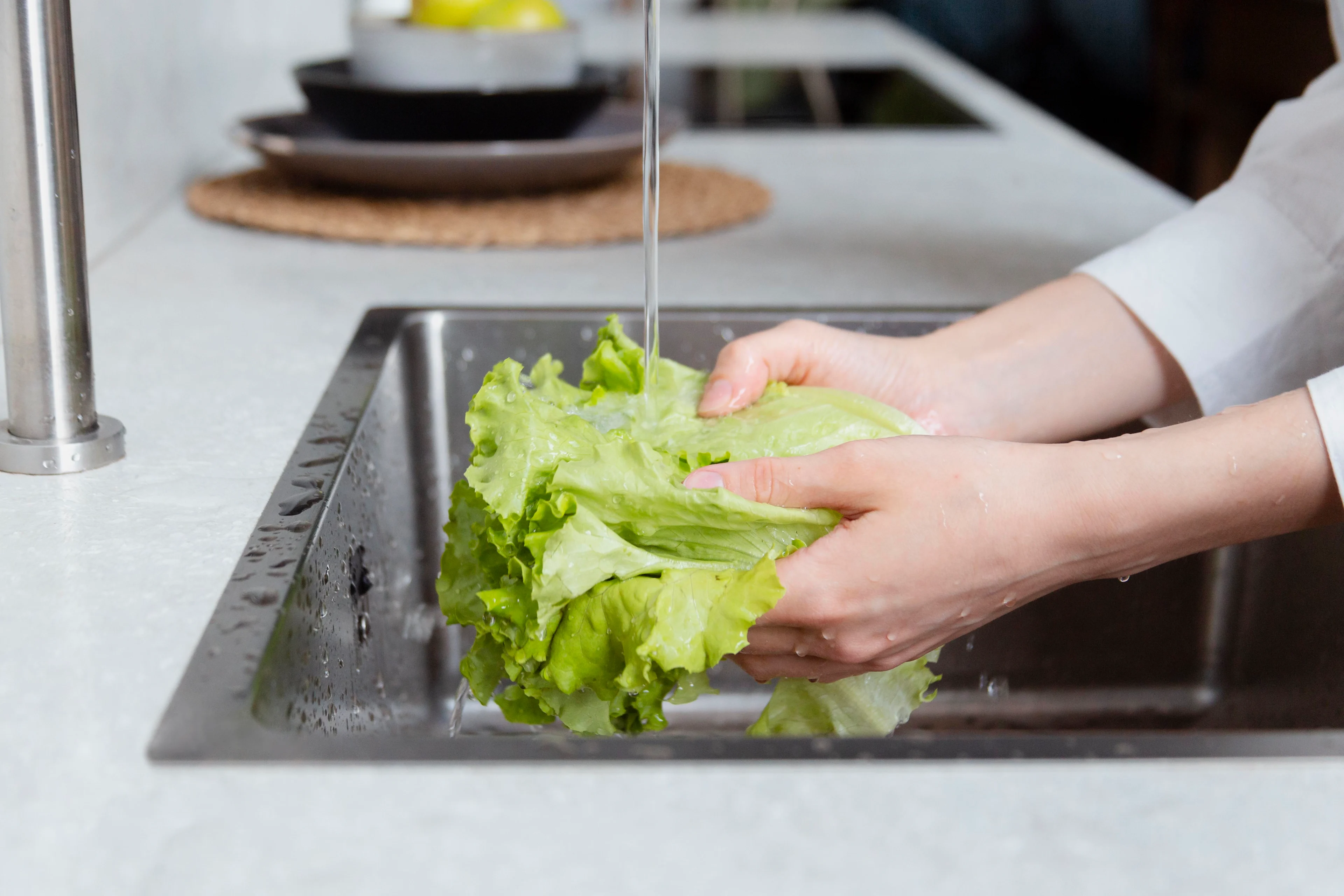
Cook together. Cook and prepare a meal together, which allows a child to explore and touch vegetables without the pressure or expectation to eat. Have the child help wash and prepare veggies. Give them the job of rinsing or drying. Ask them to tear kale leaves, break asparagus stalks, smash potatoes, or mix vegetables, oil, and seasonings together. Put on some music, stay close to the child, and have fun. As the child is helping, occasionally pick out a bite and taste it so they see the action as an option. Don't ask them to try or taste the food, but know that if they watch you do it, they might join in.
Veggies and dip snack. Offer veggies away from the table when pressure to eat is very low. Serve a veggie snack plate at key times of day—around 3-4 p.m. is a great time when most toddlers are searching for a snack. Include a dip like hummus, ranch dressing, or ketchup. Show the child how to dip the veggies. They might just play, but that's okay. No need to offer daily; once in a while is great.
These strategies won't make a child eat veggies and it likely won't change their eating behavior overnight. But over time, they will grow less and less skeptical of the vegetables and more curious to examine them. Examining or exploring is key—as they investigate the food, most kids will eventually decide to take small tastes. Each small taste is one step closer to liking, eating, and enjoying vegetables.
Serve vegetables in ways toddlers are more likely to try
How a vegetable is prepared and presented can make a difference in whether a toddler is willing to give it a try. Sometimes, a child won’t touch roasted broccoli, but might taste steamed broccoli, or refuses to try mashed potato but actually enjoys pieces of potato that have been cooked in a soup.
Lean into flavor and texture. Roasting, frying, steaming, boiling–-all give a vegetable different flavor and texture, and a little olive oil, butter, cheese, or seasoning can make vegetables more appealing. There's no need to keep things plain for little kids.
Offer a dip. Toddlers often love to dunk, and a dip like hummus, ranch, yogurt sauce, guacamole, or even ketchup can turn a rejected vegetable into an interactive snack. The dip gives your toddler a job to do and a way to taste the vegetable on their own terms.
Pair the new with the familiar. Serving a less-loved vegetable alongside a food your toddler already enjoys can lower the stakes. Stirring finely chopped or mashed veggies into dishes they like, such as pasta, rice, or eggs, can help too, as long as you're doing it openly rather than sneaking it in.
Play with the presentation. Sometimes a new shape, size, or arrangement is all it takes. Try vegetables cut into spears or coins, served on a toothpick, arranged into a fun scene on the plate, or offered raw and crunchy versus soft and cooked. New or unusual utensils can help here too: fun food picks, an over-sized spoon for mashed potatoes, or catching peas on a tiny fork can all help the child engage with the food.
Keep offering variety. Serving a rotating mix of vegetables, in different colors, textures, and preparations, keeps them familiar and normal on the plate. Your toddler doesn't have to eat them for the exposure to count; simply seeing vegetables at meals again and again helps build their familiarity and comfort with the food.
Get more ideas for helping toddlers engage with their food in our Toddler Food Refusal guide.
Frequently Asked Questions
Adding pureed or finely chopped vegetables to foods your toddler enjoys is a fine way to boost nutrition, but it works best when it's done openly rather than trying to “hide” the veggies. If the only vegetables your child eats are ones they don't know are there, they never get the chance to learn that vegetables are safe, familiar, and worth trying. So blend spinach into the pasta sauce if you like, for example, but also keep serving recognizable vegetables on their own alongside it. The ultimate goal is to teach the child comfort and familiarity with vegetables, not to trick them into eating them.
It can be way more times than you’d expect, unfortunately. It can take ten, fifteen, or even more exposures before a toddler is willing to actually taste a new vegetable. But remember that each time you serve it calmly and without pressure, you're making progress, even when it goes untouched. So keep preparing vegetables that you love, share them with your toddler, focus on enjoying your own meal and let repeated, low-key exposure do its work.
Yes, this is very common and generally isn’t a cause for concern. Fruits and vegetables offer many of the same nutrients, so a toddler who eats plenty of a wide variety of fruits is still getting many of the vitamins, fiber, and antioxidants they need. Keep offering vegetables in ways that you and the rest of the family love to eat them, and know that many toddlers who love fruit gradually warm up to vegetables over time. If your child only eats fruit, and even the fruits they’re willing to eat are pretty limited or infrequent and you feel concerned, it’s always a good idea to check in with their pediatrician.
It depends. Most toddlers meet their nutritional needs through a varied diet, even a lopsided-looking one, especially if they're eating some fruit, grains, proteins, and dairy. Vegetables aren't the only source of the nutrients they provide, so a child is likely still getting the fiber, vitamins, and fluids they need from grains, fruits, and water. If you're worried about your child's overall intake or growth, talk with your pediatrician or a pediatric dietitian, who can tell you whether a supplement makes sense rather than guessing.
For most toddlers, refusing to eat vegetables is a normal phase that eases with time, patience, and repeated low-pressure exposure. Many vegetables have savory or bitter flavors that can take time for kids to learn to love and challenging textures that can take practice for them to master. It's worth checking in with your pediatrician, though, if your child's eating is very restricted overall (only a small handful of accepted foods across all food groups); if they gag, retch, or vomit at the sight, smell, or texture of many foods; if they're steadily dropping foods without adding new ones back; or if you're concerned about their growth or energy. In those cases, a pediatrician or feeding therapist can help rule out an underlying feeding or sensory issue. Learn more about picky eating.
Start solids with confidence
- Guided Introduction to 100+ Foods
- Smart Tools to Simplify Mealtime
- Food Allergen 101
- 300+ Meal Ideas
- First Foods® Database

Start solids with confidence
- Guided Introduction to 100+ Foods
- Smart Tools to Simplify Mealtime
- Food Allergen 101
- 300+ Meal Ideas
- First Foods® Database