Halloween Food for Babies & Toddlers
From costumes to pumpkin carving, there are many ways to celebrate with babies and toddlers, and when it comes to the treats, there are some dos and don’ts to stay safe. Our licensed pediatric team shares their tips.
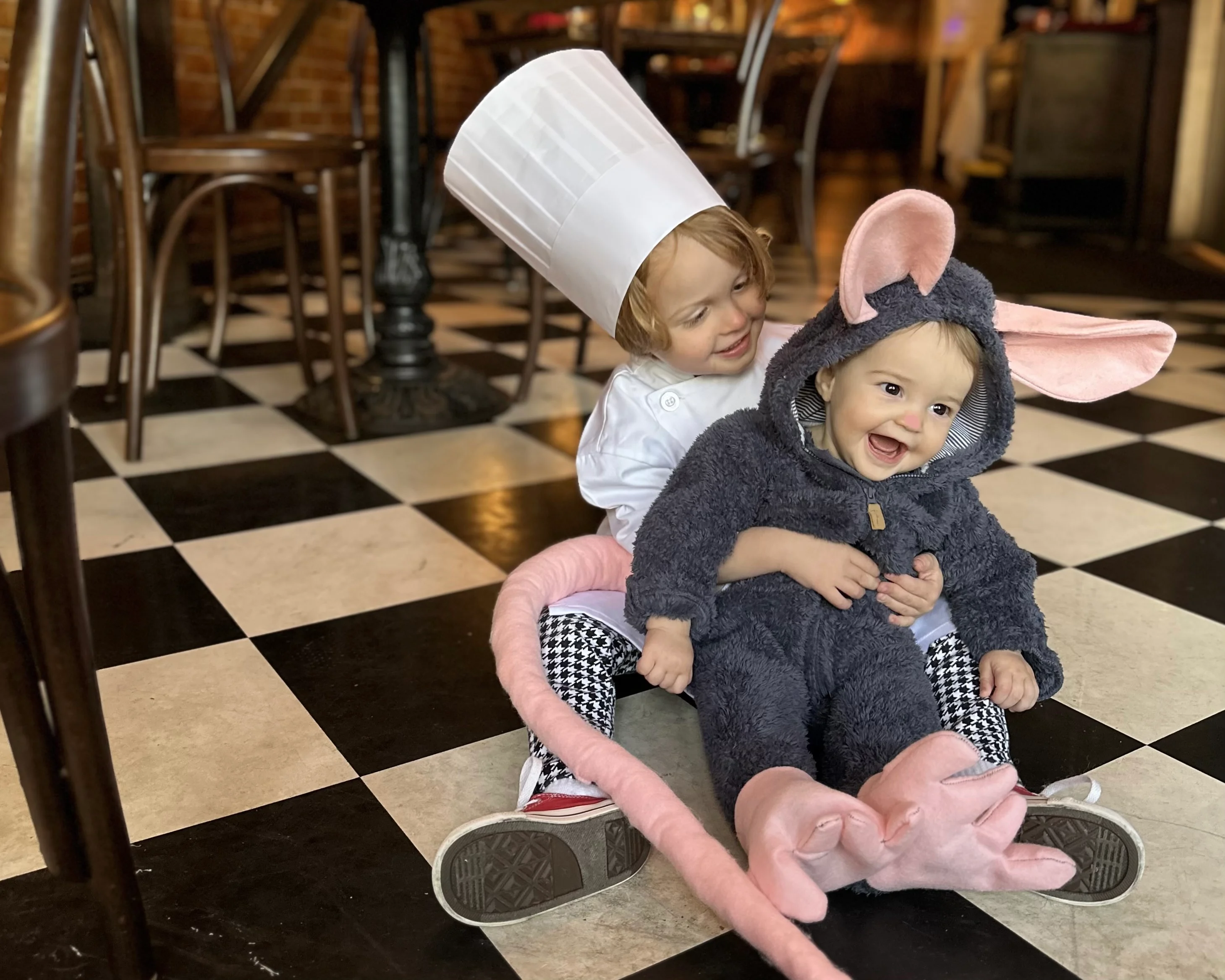
From costumes to pumpkin carving, there are many ways to celebrate with babies and toddlers, and when it comes to the treats, there are some dos and don’ts to stay safe. Our licensed pediatric team shares their tips.
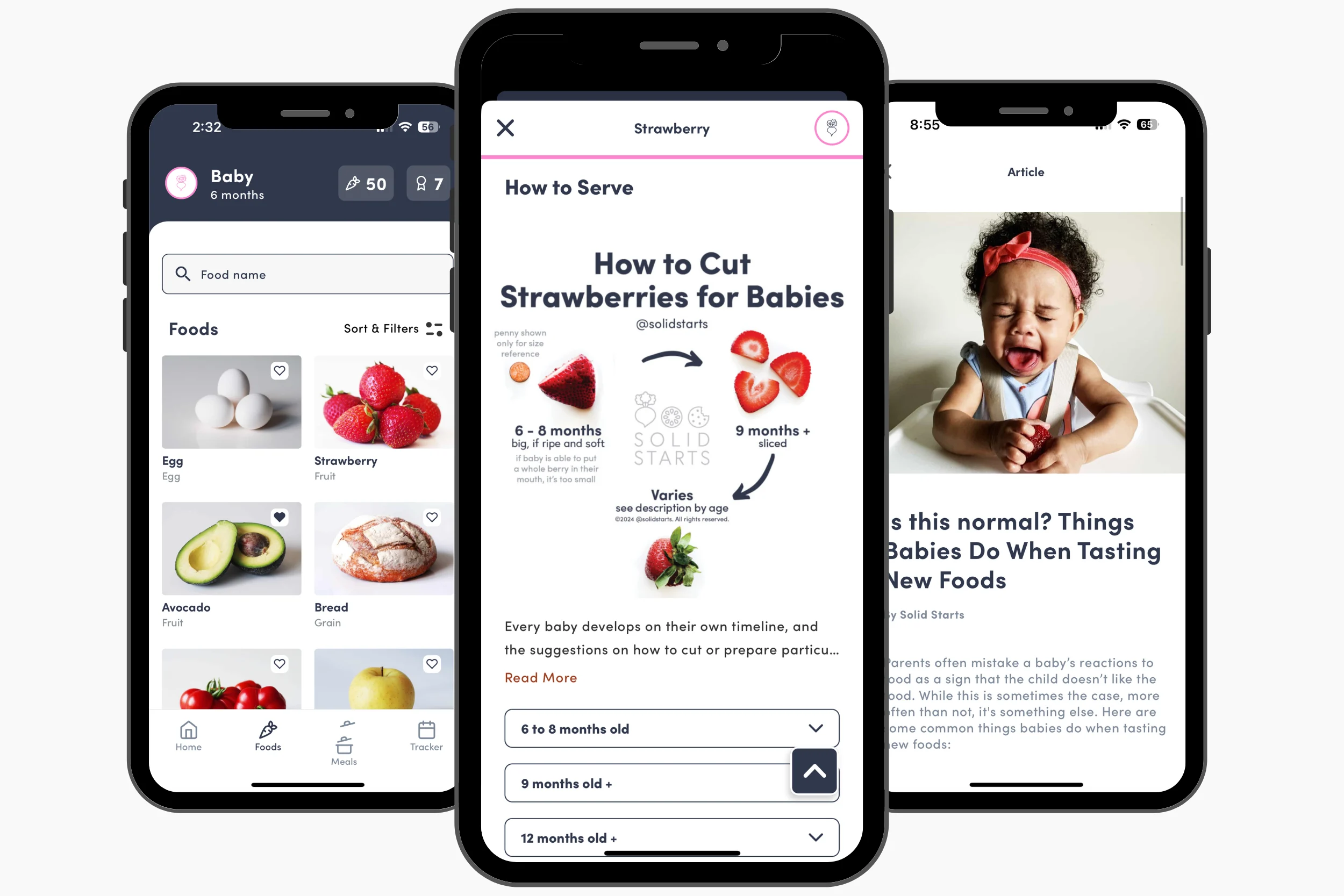
Need help starting solids? The Solid Starts App will help you navigate first bites and beyond. Learn more.
Halloween Food Tips for Babies & Toddlers
Eat before trick-or-treating. Serve a favorite meal before heading out. This way, baby feels content, and your toddler is less likely to try to eat while on the go.
Take photos early! Snap a pic before you go when kids are happy (and clean!) For an excited toddler who just can’t stay still, pause for a pic after visiting a house or two.
Do not eat treats on the go. Eat treats at home, not while trick or treating. Eating while walking, running, jumping, and moving increases the risk of choking.
Watch out for choking hazards. Avoid sharing candy with babies, and sort through your toddler’s stash before they dig in. Many treats are challenging to chew and contain choking hazards like nuts.
Be mindful of food allergens. Read the labels: many candies contain common food allergens like cow’s milk, egg, peanut, sesame, soy, tree nuts, or wheat.
Enjoy the sweet treats. One day with lots of sugar is not a big deal in the long run. Have fun, enjoy the food, and know you are creating joyful memories.
Manage your expectations. Your schedule may be off. Bedtime may be later. Boundaries will definitely be pushed. Try to focus on fun, and let the rest slide.
Guide to Halloween Candy for Toddlers
Below are some candies that a toddler may encounter on Halloween. All candy is a common choking hazard for young children, and some styles are riskier than others, such as candies that are round, firm, and/or chewy.
Check out Introducing Challenging Foods for tips on how to teach toddlers to safely eat high-risk foods, and, as always, make sure a toddler is seated, calm, and within arm's reach before offering candy.
Higher Choking Risk Candies
Candy Corn
Caramel Apple Pop
Chocolate-Covered Raisins
Dots
Gobstoppers
Gum Balls
Gummy Bears
Gummy Worms
Haribo Gummies
Hot Tamales
Laffy Taffy
Lemonheads
Licorice Bites
LifeSaver Gummies
LifeSavers Hard Candy
LifeSavers Mints
Lollipops
Marshmallows
M&M’S (peanut)
M&M’S (plain)
Mike & Ike Original Fruit
Milk Duds
Nerds Gummy Clusters
Nerds Rope
Pez
Raisinets
Skittles
Sour Patch Kids
Starburst
Sweet Tarts
Tootsie Roll
Tootsie Roll Pops
Twizzler Bites & Nibs
Whoppers
Moderate Choking Risk
100 Grand Bar
Butterfinger
Licorice Laces
Licorice Straws
Nerds
Snickers
Lower Choking Risk
3 Musketeers Bar
Crunch Bar
Hershey's Milk Chocolate
Kit Kat Bar
Milky Way Bar
Pop Rocks
Reese's Peanut Butter Cups
Twix
Guide to Halloween with Food Allergies
With a little advance planning, toddlers and young kids with food allergies can celebrate this spooky holiday, too. Here are a few ideas:
Always read the labels. Ingredients change, and “fun size” candy often has different ingredients than larger versions. Read the fine print before offering candy to a toddler with food allergies.
Plan in advance. Before a Halloween party at daycare, school, or a friend’s house, notify the host of a child’s food allergies.
Look for a teal pumpkin. When you see one on a doorstep or windowsill, the house may be participating in the Teal Pumpkin Project, a trick-or-treating initiative for kids with food allergies.
Bring candy with you. Keep a stash of allergen-free candy or non-food treats in your bag when trick-or-treating. This way, you can place treats in a toddler’s bag as you go from door to door.
Practice saying no. Teach a toddler how to politely say “no, thank you” when offered candy and food.
Stock up on candy at home. After trick-or-treating, swap out candy with food allergens for allergen-free treats that a toddler with food allergies can eat.
Check the ingredients in chocolate bars. They often contain dairy, peanut, tree nuts, and wheat.
Avoid candy with no labels. Some candy comes in clear wrappers without any ingredient information. This is best discarded or passed along to a non-allergic friend.
Be prepared to respond. Keep prescribed allergy medicines on hand, such as an epinephrine device, antihistamines, and inhalers.
Frequently Asked Questions
Looking for step-by-step guidance on starting solids? Explore Compass—our in-app guided experience for introducing real food to babies.
Written By
V. Kalami, MNSP, RD, CSP. Pediatric Dietitian/Nutritionist
K. Grenawitzke, OTD, OTR/L, SCFES, IBCLC, CNT. Pediatric Feeding/Swallowing Specialist
J. Longbottom, MS, CCC-SLP, CLC. Pediatric Feeding/Swallowing Specialist
M. Suarez, MS, OTR/L, SWC, CLEC. Pediatric Feeding/Swallowing Specialist
S. Bajowala, MD, FAAAAI, Pediatric Allergist/Immunologist
R. Ruiz, MD, FAAP, CLC. Pediatric Gastroenterologist
Start solids with confidence
- Guided Introduction to 100+ Foods
- Smart Tools to Simplify Mealtime
- Food Allergen 101
- 300+ Meal Ideas
- First Foods® Database
Start solids with confidence
- Guided Introduction to 100+ Foods
- Smart Tools to Simplify Mealtime
- Food Allergen 101
- 300+ Meal Ideas
- First Foods® Database