


Access our First Foods® Database in the Solid Starts App.
Learn moreMustard Greens
Vegetable
Age Suggestion
6 months
Iron-Rich
No
Common Allergen
No

When can babies eat mustard greens?
Mustard greens may be introduced as soon as baby is ready to start solids, which is generally around 6 months of age.
Mustard greens have their origins in Asia, where the plant has been cultivated for centuries. There are many varieties of mustard leaf that come in different colors, shapes, sizes. Popular varieties include delicate mizuna leaves, bitter leaf mustard, takana (often used in kimchi and tsukemono), and gai choy with its thick, crunchy stem.
How do you serve mustard greens to babies?
Every baby develops on their own timeline, and the suggestions on how to cut or prepare particular foods are generalizations for a broad audience.
6 months old +:
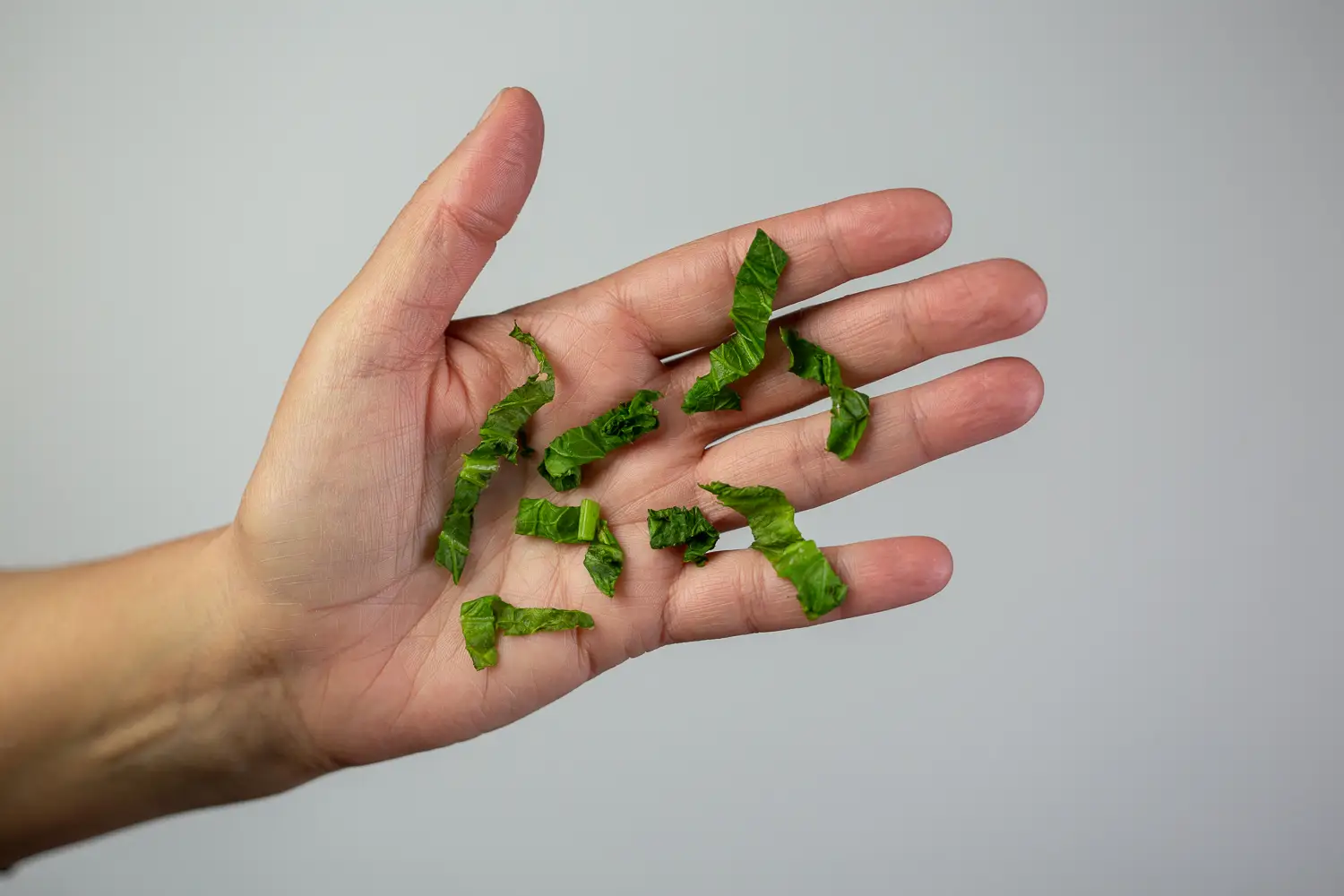
Cook and finely chop mustard green leaves and stems, then stir them into a soft food that baby can scoop. You can also offer a long, thick mustard green stem as a food teether: cook the stem and remove the leaf, or offer a whole raw stem with leaf intact. Baby may poke the back of their tongue or mouth with the stem, which may cause some gagging or coughing. Don’t be alarmed: this poking and prodding with sticks of food can actually be beneficial in helping baby learn the boundaries of their mouth.
9 months old +:
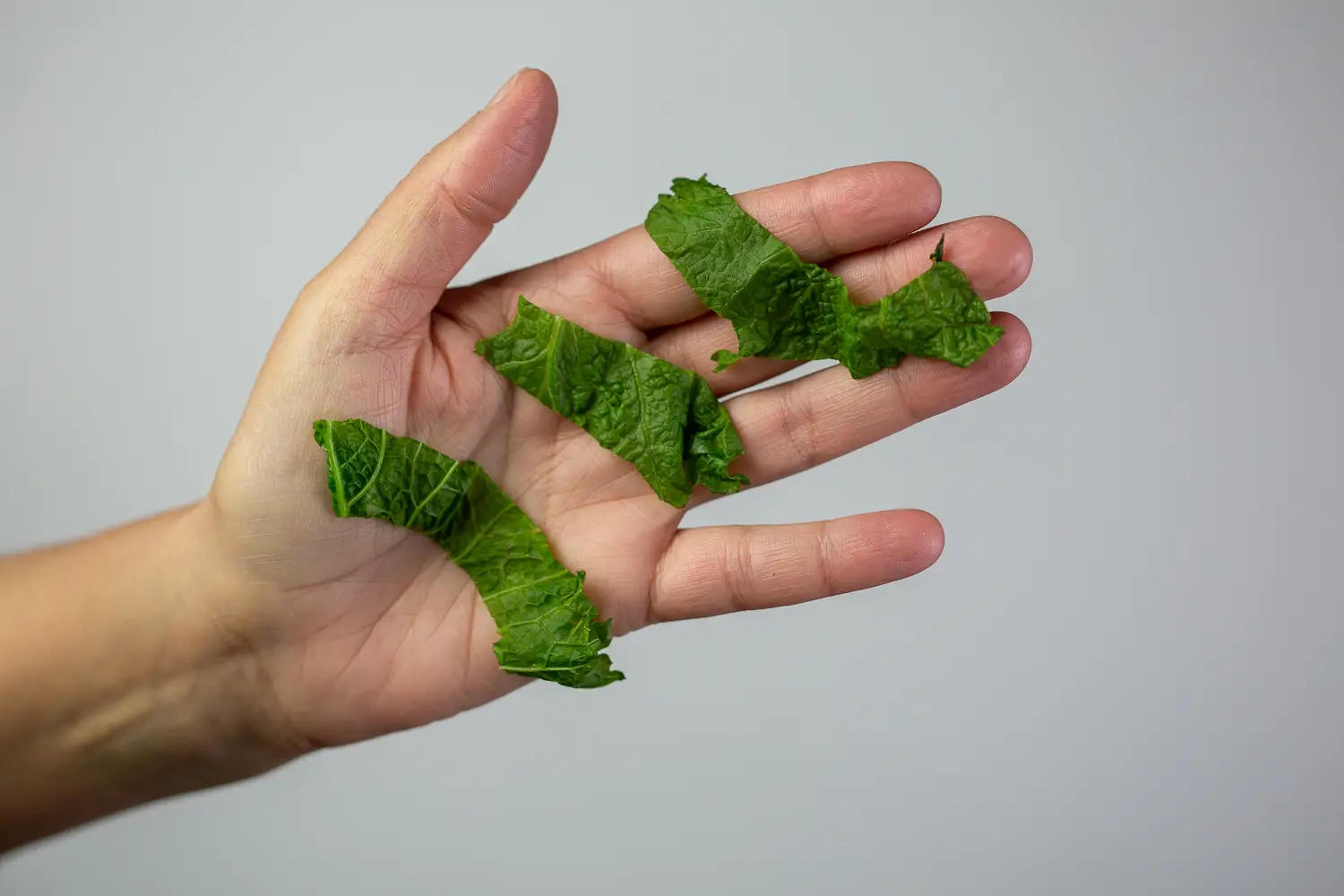
Mix cooked and shredded mustard greens into soft, scoopable food. When you see signs of the developing pincer grasp (where the thumb and pointer finger meet), offer bite-sized pieces of cooked or raw mustard greens for baby to practice picking up. Worried about raw greens? Try not to be. While a bit more challenging to chew and move around the mouth, the texture is terrific for building baby’s eating skills.
12 months old +:
Serve cooked or raw mustard greens that have been chopped or shredded. Serve the greens on their own or as part of a meal. At this age, many toddlers are ready to try biting and tearing larger pieces of cooked or raw mustard green leaves and stems. If the toddler seems to struggle with the texture of the greens, shred the greens into thinner strands or try making dishes with mizuna or another delicate variety of mustard greens, which are more tender.
Videos
Are mustard greens a choking hazard for babies?
No. Mustard greens present a low risk, however, in theory, an individual could choke on any food. Keep in mind that shredded mustard greens can also cause some gagging or coughing because the pieces may cling to baby’s tongue or the roof of their mouth. As always, make sure you create a safe eating environment and stay within an arm’s reach of baby during meals. For more information on choking, visit our sections on gagging and choking and familiarize yourself with the list of common choking hazards.
Learn the signs of choking and gagging and more about choking first aid in our free guides, Infant Rescue and Toddler Rescue.
Are mustard greens a common allergen?
No. Mustard greens are not classified as a Global Priority Allergen by the World Organization. However, mustard greens may share allergenic proteins with mustard seed, which is a significant food allergen in certain regions of the world, particularly Canada and Europe (mustard is the 4th most common food allergen in France, for example). Mustard greens are a part of the cruciferous vegetable family and individuals who are allergic or sensitive to other cruciferous vegetables, such as kale and broccoli, could be sensitive to mustard greens as well.
Individuals with Oral Allergy Syndrome (also known as pollen food allergy syndrome), and in particular, those with sensitivities to mugwort pollen, may also be sensitive to cruciferous vegetables like mustard greens. Oral Allergy Syndrome typically results in short-lived itching, tingling, or burning in the mouth and is unlikely to result in a dangerous reaction. Cooking mustard greens can help minimize or even eliminate the reaction.
As you would when introducing any new food, start by offering a small quantity for the first few servings. If there is no adverse reaction, gradually increase the quantity over future meals.
Are mustard greens healthy for babies?
Yes. Mustard greens are rich in fiber and vitamins A, B6, C, E, and K. Together, these nutrients support healthy digestion, vision, immunity, metabolism, bone health, blood clotting, and much more. Plus, mustard greens also contain calcium, compounds like lutein and zeaxanthin, antioxidants, and anti-cancer compounds like glucosinolates.
★ Tip: Mustard greens are rich in vitamin K, which can interact with certain medications. If baby is taking medications and mustard greens are served regularly in your household, consult the child’s healthcare provider to address any concerns.
Do I need to worry about the nitrates in mustard greens?
No. You may have heard that mustard greens and other vegetables (like arugula, beets, carrots, lettuce, spinach, and squash, to name a few) contain nitrates, naturally-occurring compounds which, if consumed in large amounts, may negatively affect oxygen levels in the blood. Babies—particularly babies younger than 3 months of age and/or those with health concerns—may be more susceptible to the effects of nitrates. Organizations such as the American Academy of Pediatrics and the European Food Safety Authority view nitrates in vegetables as generally not a concern for most healthy children and that the benefits of eating vegetables as part of a varied diet typically outweighs the risks of excess nitrate exposure from consuming certain vegetables.
★ Tip: To further reduce the risk of illness from nitrates, serve homemade mustard green puree immediately and do not share leftovers that have been stored in the refrigerator for more than a day or two with baby, as nitrates can increase with improper storage.
Our Team
Written by

Dr. Sakina Bajowala
Pediatrician & pediatric allergist/immunologist

Kim Grenawitzke
Pediatric occupational therapist, feeding & swallowing specialist, international board-certified lactation consultant

Venus Kalami
Pediatric registered dietitian & nutritionist
Get 10% Off
Sign up to save and get weekly tips, recipes and more.




Copyright © 2026 • Solid Starts Inc