Celiac Disease in Babies and Young Children
Babies and young children can have celiac disease, but it's tricky to diagnose this early. Here's what parents need to know about the warning signs, how testing works, and why gluten matters before a diagnosis is made.
Key Points
Babies can have celiac disease, but it's difficult to diagnose young
Very young children often aren't eating enough gluten for the standard blood tests to detect the antibodies, so a diagnosis can be more difficult before age two.
Don't remove gluten before your child is tested
Celiac blood tests only work when gluten is still in the diet, so cutting it out first can cause false-negative results. Talk to your child's healthcare provider before making any changes.
A lifelong gluten-free diet is the only treatment
It fully resolves symptoms and allows a healthy, normal life. Even "silent" celiac disease with no obvious symptoms still requires it, because damage to the gut can happen quietly over time.
Can babies and toddlers have celiac disease?
Yes, babies can have celiac disease, but it is more commonly diagnosed in older children. Diagnosing babies and young toddlers is often more difficult because very young children may not be eating large enough amounts of gluten to impact the standard diagnostic blood tests that are used to detect signs of celiac disease.
A lifelong gluten-free diet is currently the only treatment for celiac disease. The good news is that a gluten-free diet can completely resolve symptoms, allowing the person to live a healthy, otherwise normal life.
What is celiac disease?
When a person with celiac disease consumes gluten, the gluten triggers an autoimmune response and can cause a variety of symptoms. Symptoms may include abdominal pain, bloating, constipation, diarrhea, and growth challenges, as well as iron-deficiency anemia, tiredness, skin rashes, and headaches. That said, many people with celiac disease have no external symptoms at all, meaning that it is often a “silent” condition.
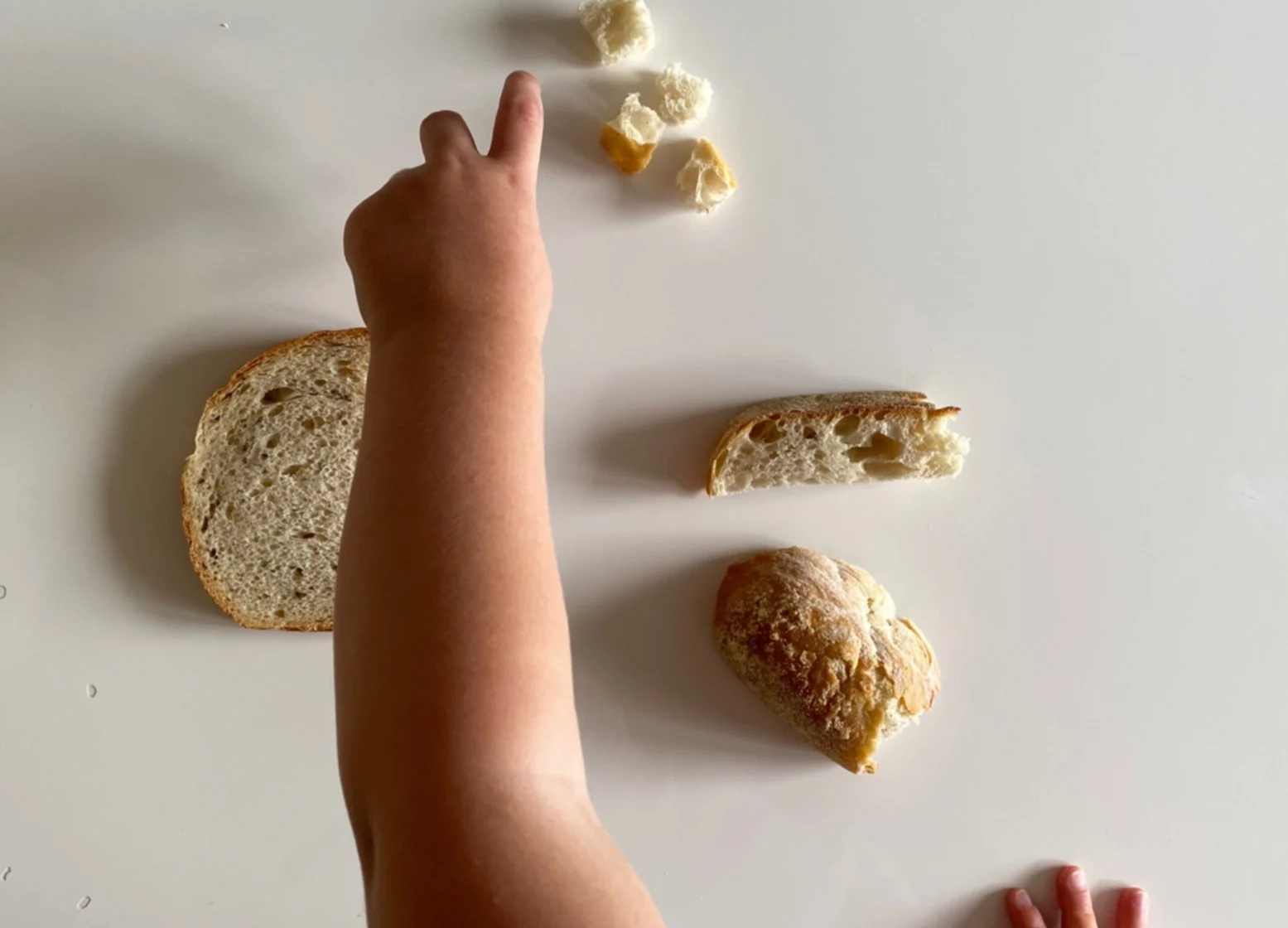
Gluten is a protein found in wheat, barley, and rye, as well as oats that have come into contact with those grains. Sometimes, it’s easy to tell that a food contains gluten (such as wheat porridge or whole wheat bread), but sometimes, it is much less obvious. For example, barbecue sauce, salad dressing, and soy sauce are often made with wheat.
What are the early warning signs of celiac disease in babies and toddlers?
Some possible early signs of celiac disease in babies and toddlers include constipation, diarrhea, low energy, unexplained anemia, and/or growth challenges. However, many people have “silent” celiac disease with no visible symptoms at all, and a diagnosis may be made in the process of assessing other medical issues.
Can celiac disease cause constipation or diarrhea in babies?
It depends on the child. Some children with celiac disease may struggle with constipation, while others may have diarrhea, and others may see no changes in their pooping.
How is celiac diagnosed in children?
The first step is a blood test to look for certain antibodies that show up as a response to gluten in the diet. In adults who have been ingesting gluten, these tests are very accurate, but for children under the age of 2, they are often less effective, as the child’s body has not had a long time to build up antibodies in response to gluten. If your healthcare provider suggests a blood test for celiac disease, discuss how long and how much gluten has been in the child’s diet and ask if there needs to be any dietary changes made to get the most accurate results.
In addition to blood tests, an endoscopy can confirm the diagnosis of celiac disease by looking for damage in the small intestine. Lastly, genetic testing can help to support a diagnosis of celiac disease.[1] However, genetic testing alone cannot diagnose celiac disease as some people have the genetic predisposition, but never develop celiac disease.
What foods contain gluten?
Gluten is a protein found in wheat, barley, and rye, and in oats that have come into contact with those grains. Some sources are obvious, but gluten also hides in many processed and packaged foods, so reading labels is key for anyone avoiding it.
Grains that always contain gluten (and common foods made from them)
Grain | Where you'll find it |
|---|---|
Wheat (including spelt, farro, durum, semolina, einkorn, kamut) | Bread, pasta, crackers, baked goods, some tortillas, couscous, wheat cereals and porridge |
Barley | Malt and malt syrup, malt vinegar, some soups and cereals |
Rye | Rye bread, pumpernickel, some crackers and cereals |
Oats (unless certified gluten-free) | Oats and oatmeal are naturally gluten-free but are often cross-contaminated with gluten grains during growing or processing |
Surprising or hidden sources of gluten
Food | Why it may contain gluten |
|---|---|
Soy sauce | Usually brewed with wheat (look for tamari or gluten-free versions) |
Barbecue sauce, salad dressings | Often thickened or flavored with wheat-based ingredients |
Gravies, sauces, and soups | Commonly thickened with wheat flour or contain barley |
Deli meats, sausages, and meat substitutes | May use wheat as a binder or filler |
Seasoning blends, bouillon, and stock cubes | Can contain wheat flour or malt as an anti-caking agent or flavoring |
Malt vinegar, some candies, and licorice | Made with barley malt or wheat |
Note that some hygiene products (like shampoo, conditioner, and lotions) may also contain gluten, and these products may accidentally make it into the mouth. Some medicines may also be hidden sources of gluten, as wheat can be present as an inactive ingredient.
What support and resources are available for celiac disease?
Your pediatric gastroenterologist and healthcare team are your primary source for medical guidance and resources available in your area. In addition, look for local support groups or online-based groups (through sites like Facebook or forums dedicated to celiac disease). Phone apps like Find Me Gluten Free can help families find celiac-friendly restaurants close to them.
Other resources vary depending on where you live. In the United States, know that you may be able to track expenses on gluten-free foods and write off the expenses on annual taxes. Children with celiac disease are also eligible for an individualized education plan (IEP) and 504 plans, educational accommodations that may help, especially while the child is adjusting to their diagnosis and a gluten-free diet.
Other countries offer a variety of resources to those with celiac, including vouchers or prescriptions for gluten-free food (like in Italy and the United Kingdom).
What is non-celiac gluten sensitivity (NCGS)?
Some individuals who do not have celiac disease still experience gastrointestinal or neurologic symptoms after ingesting gluten. This condition has been called non-celiac gluten sensitivity, or NCGS. There are no reliable tests to diagnose NCGS, aside from ruling out celiac disease and other illnesses. Individuals with NCGS tend to feel best when they remove gluten from the diet.
Celiac disease vs. wheat allergy: what’s the difference?
Celiac disease is a lifelong autoimmune disorder that is triggered by consuming gluten, a protein found not only in wheat, but also in barley and rye. A wheat allergy, on the other hand, is the product of a different kind of immune reaction and can result in a sudden, potentially life-threatening reaction. Lastly, a childhood wheat allergy can be outgrown, while celiac disease is a lifelong condition.
What is the history of celiac disease?
This disease has been known for hundreds of years, even though it may seem that discussion of celiac has only surfaced in the last few decades. While celiac has been recognized for a long time, the cause of the disease and how it works have long been poorly understood. Since the 1800s, physicians have thought that symptoms could be resolved by changes in the diet, but couldn’t confirm which foods triggered the disease. Today, research has found that celiac disease has both internal causes (genetic predisposition) and external triggers (the consumption of gluten), although there is still much to learn about the disease.
Frequently Asked Questions
This is a personal decision, so weigh your options. Removing gluten from a child’s diet can make a diagnosis more challenging. Blood tests that diagnose celiac disease are only effective when the individual is eating enough gluten for the antibodies to show up on the tests; otherwise, the tests may show false negatives. If you are concerned about the possibility of celiac disease, it is important to discuss the options with the child’s healthcare provider, who can help you make an appropriate decision for your family.
Unfortunately, no. If your child has been diagnosed with celiac disease, but does not show symptoms after eating gluten-containing foods, they still should not consume gluten. Damage to the digestive system can happen silently, without symptoms, or they may experience other symptoms later in life due to accumulated gluten exposure, including infertility, bone thinning (osteopenia), and heart disease, among other complications.
Celiac disease runs in families, which means that if you or baby’s other parent has celiac disease, baby is at higher risk for developing the disease, too. That said, there is currently no conclusive evidence that early or late introduction of gluten for high-risk babies can reduce the risk of developing celiac disease. Until more research has been done, the decision of whether or when to introduce gluten to babies with a family history of celiac disease is up to the individual family and their healthcare providers.
Yes, celiac disease can run in families. If you, your child's other parent, or a sibling has celiac disease, your baby is at higher risk of developing it too. But just because someone carries the gene doesn’t mean they are guaranteed to have or develop celiac disease. Many people carry the associated genes and never develop the condition, which is why genetic testing can support a diagnosis but can't confirm one on its own. If celiac disease runs in your family, talk with your healthcare provider about whether and when to test.
Reference Material
Hadithi M, von Blomberg BM, Crusius JB, et al. (2007). Accuracy of serologic tests and HLA-DQ typing for diagnosing celiac disease. Ann Intern Med. 147(5):294-302. doi:10.7326/0003-4819-147-5-200709040-00003
Start solids with confidence
- Guided Introduction to 100+ Foods
- Smart Tools to Simplify Mealtime
- Food Allergen 101
- 300+ Meal Ideas
- First Foods® Database

Start solids with confidence
- Guided Introduction to 100+ Foods
- Smart Tools to Simplify Mealtime
- Food Allergen 101
- 300+ Meal Ideas
- First Foods® Database