Tips for Dining Out With Babies
Ready to take baby to a restaurant? Get practical tips on timing, seating, what to order, and how to handle food allergies so the whole family can enjoy a meal out.
Key Points
You can take a baby to a restaurant at any age
Many families find the newborn stage is actually ideal for restaurant meals, since young babies often sleep right through them. As baby grows and stays awake longer, restaurants become a great opportunity for social and developmental experiences at the table.
No need for special baby food–you can share your meal
Once baby has started solids, there's almost always something on a regular restaurant menu that can work for them. Don't stress about an occasional meal that’s higher in sodium–a taste of your food is just fine.
A few simple steps can making dining out with baby less stressful
Timing your outing around naps, checking out the menu in advance, and having an exit strategy can make the difference between a relaxed meal and a stressful one.
Dining out with a baby is tricky, but can be enjoyable with a bit of preparation and planning. Here’s expert advice from our pediatric professionals to make your next meal out a positive experience.
When Can You Take Baby to a Restaurant?
Feel free to bring your baby to restaurants as soon as you feel comfortable. Many families choose to dine out once they feel confident in their breast or bottle-feeding routine. In fact, we often hear from parents that, in hindsight, the newborn stage was ideal for restaurant meals as baby is often sleeping.
In these early weeks and months of baby’s life, timing is key. Aim to dine during nap times and bring an infant car seat or babywear so that the child has a comfortable space to sleep. Many babies sleep comfortably in public places, even loud ones.
As your baby grows and stays awake longer, you can involve them at the table using a high chair or by holding them in your lap, promoting valuable social and developmental interactions even before they begin solids. Once baby has started solids, there's a strong chance that you can find something for baby on just about any restaurant menu.
How to Get Ready for Dining Out with Baby
Choose a comfortable restaurant: What would make you feel comfortable? There are no rules, though some restaurants may feel less comfortable than others when you have a baby in tow, such as fine-dining destinations, intimate bistros, outdoor cafes without shade, and raucous bars. Consider the vibe, noise, space, and seating.
Think about time of day. Choose a mealtime that works for both of you. Some families like to go early to beat the rush, while others actually prefer a noisy, busy spot, which can help cover up any crying or loud noises from baby. If you've got a young baby, they'll probably snooze right through the meal, but be ready to feed them when they wake up.
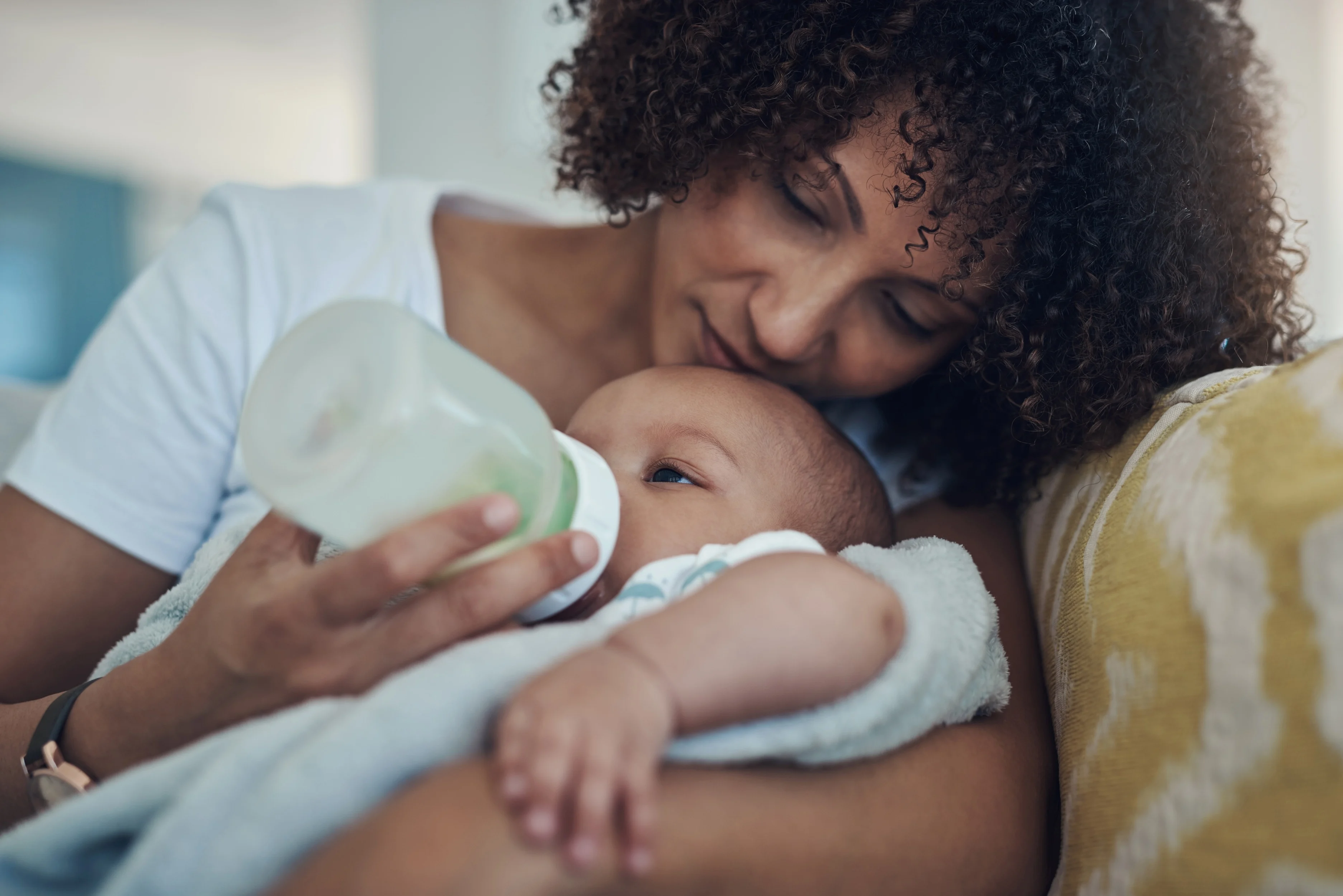
Time baby’s day to your advantage. Don’t expect baby to eat a lot at a restaurant. Try to time your meal out after a nap so they are not cranky, and offer a breast or bottle feed before you leave. This gives baby a small amount of time to build up a bit of hunger to engage in eating at the restaurant, but hopefully ensures they aren’t starving right when you sit down. You can also plan to offer a breast or bottle feed once you arrive, but sometimes this leads to a restless bored baby right when your food arrives. Whether you feed before you head out or not, if you are bottle feeding, bringing a bottle is always a helpful idea, and if nursing and you’d prefer privacy while in public, a nursing cover is helpful.
Look at the menu in advance. If baby has started solids, baby can share YOUR meal–there is no need to order off the kid menu! If you are nervous about sharing bold flavors, spices, or mixed foods, check out the list of sides on the menu. Most restaurants can offer bread, simple grains, and cooked vegetables which are great options for baby.
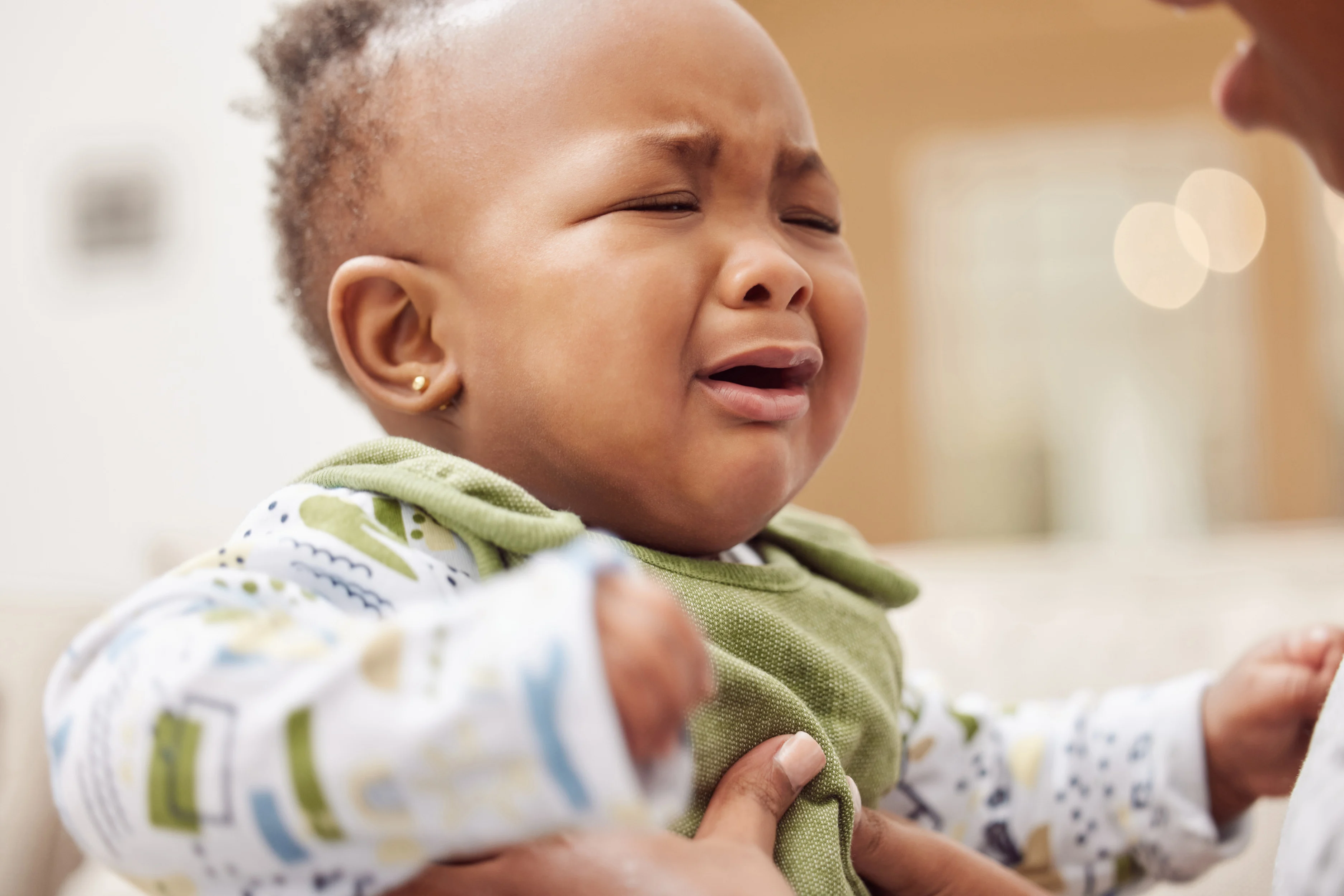
Have an exit strategy. Plan what you’ll do if the meal gets to a point where it becomes more stressful than enjoyable. If baby starts to cry, one person might step outside to calm baby, or even go to the car and breast or bottle feed baby, while another helps to pack things up, ask for the check, and so on. Having this decided ahead of time can help to diffuse this otherwise stressful situation a bit. Sometimes just walking around with your baby so they can look around for a few minutes can buy you another 10-15 minutes at the table afterwards.
Contact the restaurant with any questions. If you’re feeling anxious, it is okay to contact the restaurant ahead of your visit. They are accustomed to answering common questions, including high chair availability, menu accommodations, and common food allergens on the menu. Bonus for advance planners: restaurants are often able to accommodate requests for a special table or area with more space for you and baby.
Ask your server to wait to serve your food until it’s cooled. That way, if you have a hangry child on your hands, you won’t be adding fuel to the fire by putting food in front of them that’s too hot to eat.
What to Bring When Eating Out with a Baby
None of these items are necessary, but can be helpful to have on hand:
Item | Why it's helpful |
|---|---|
Bottle of breastmilk/formula | Keeps baby fed and happy, even when they don’t eat much solid food |
Small blanket or towel | Provides comfort/stability in roomy high chairs and helps keep clothes clean |
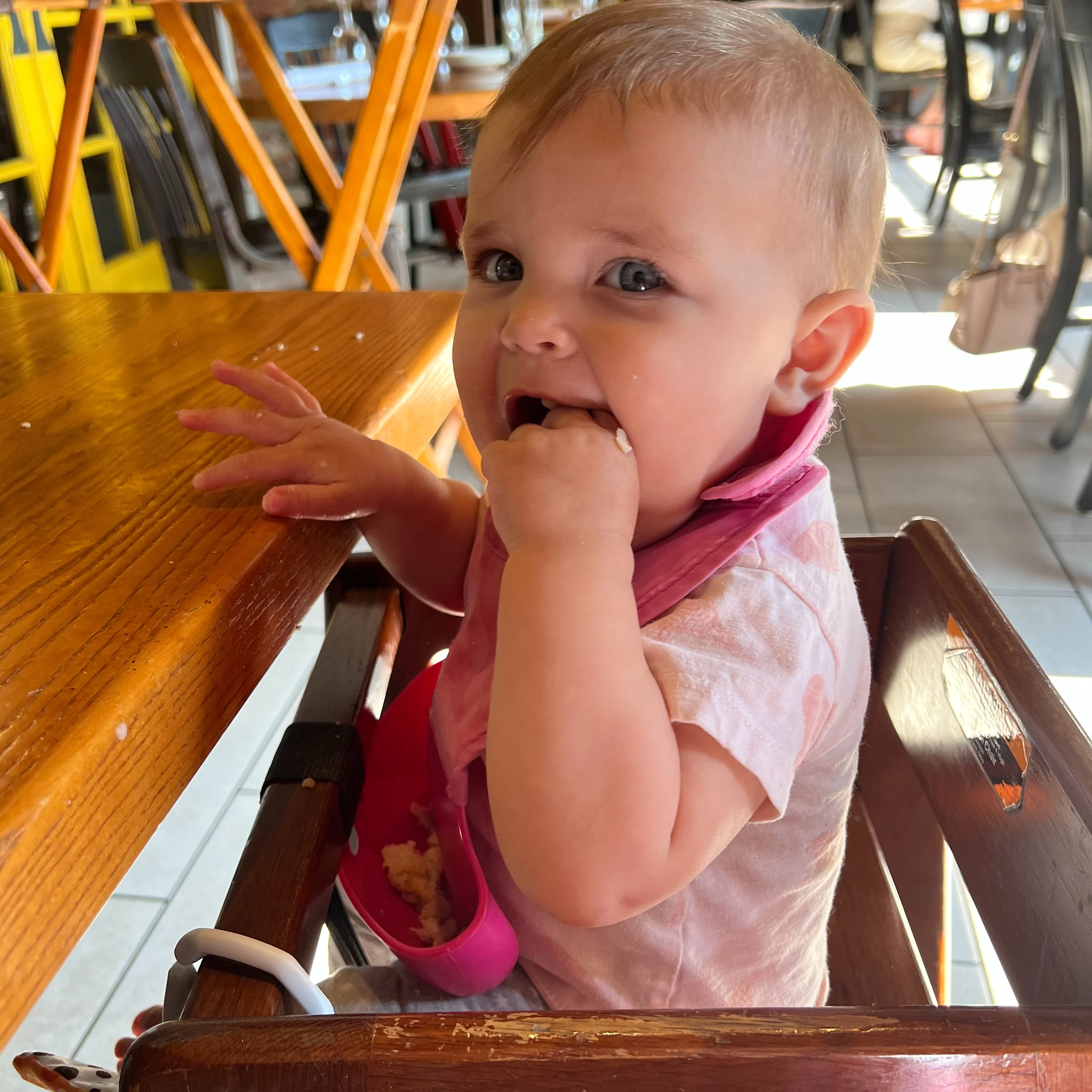
Bib with a catch basin | Minimizes mess by catching dropped food |
Baby’s straw cup | Familiar to baby and less likely to spill (or break!) than restaurant cups |
Quiet teethers or toys | Keep baby entertained while waiting for food without disturbing others in the restaurant |
Disposable stick-on placemat | Prevents baby from pulling off restaurant-provided mats and everything on them |
Disposable splat mat | Makes clean-up fast; can use a cut-open trash bag or extra napkins as alternatives |
Baby & disinfectant wipes | Essential for cleaning up high chairs, tables, and baby after the meal. |
Disposable trash bag | For clearing up fallen food, dirty wipes, and mats yourself |
Setting Up Baby Safely at the Restaurant Table
Your lap is always an option:
Position baby with their back to your belly.
Be sure to move breakable items and wrappers/trash out of reach.
If baby likes to kick and put feet on the table, turn the child so their feet are parallel to it. This way, there are fewer chances of bumping or overturning the table.
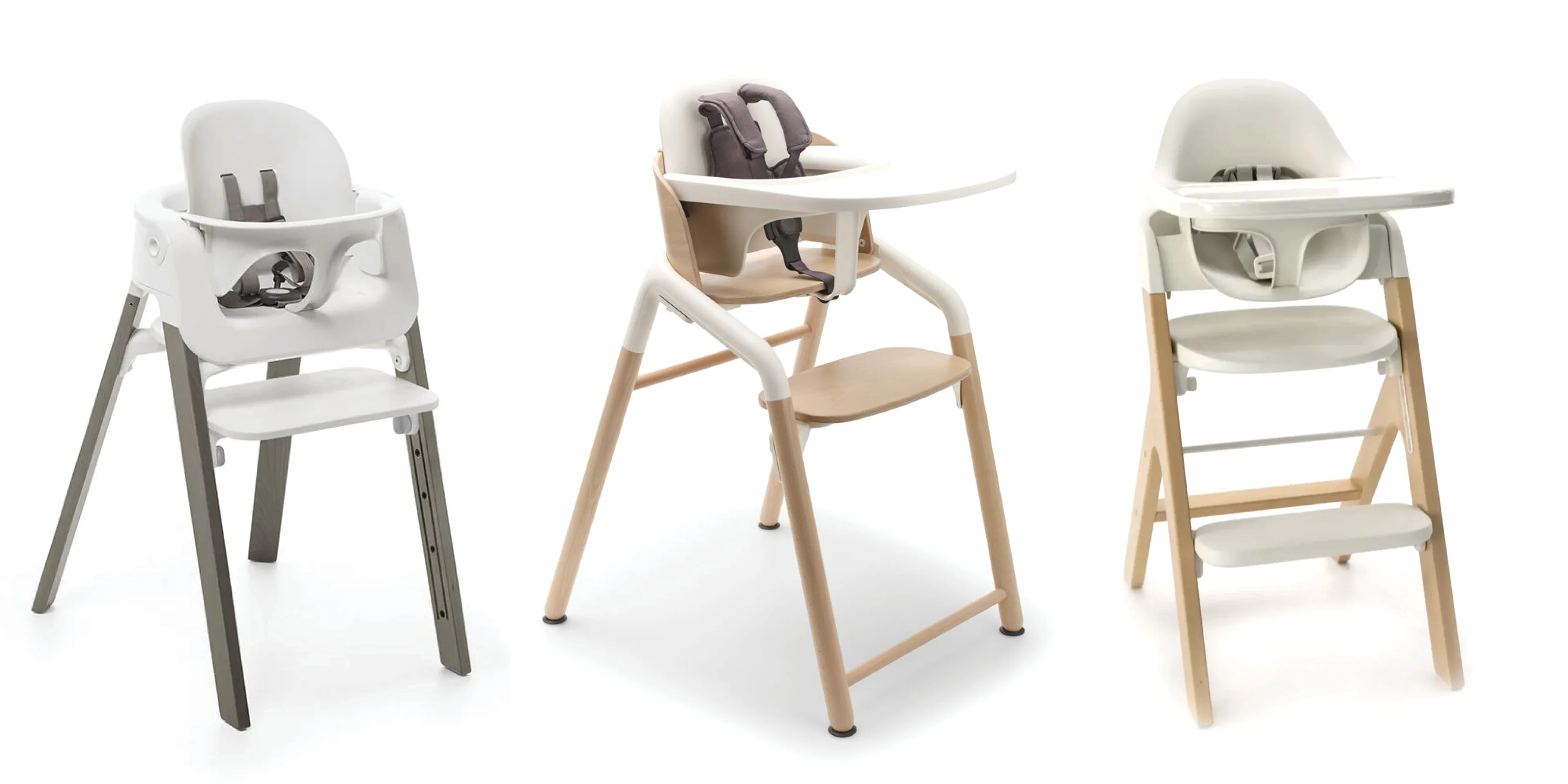
Most restaurants offer high chairs, though they are often too roomy for small babies. Use blankets, towels or even your jacket or sweater rolled up to nestle around baby in the chair. This can create a bit more stability and safety. Travel high chairs are another way to go, as they can clip to the table, buckle to a chair, or be unfolded next to the table.
Check out our Guide to High Chairs for Babies for more information on positioning and creating a supportive seating environment.
What to Order for Baby at a Restaurant
Order what you want and ditch the kid menu. Find something you want on the menu and share a bit of your meal with some simple modifications for safety. Use the solid starts app to modify food appropriately for baby’s age.
Order a small dish to share. If you don’t want to share your main dish, consider ordering an appetizer or side dish for baby. Pick something that you want to eat, too. Baby may not eat much of it as they explore and play.
Try a food teether. Food teethers like corn on the cob can buy you a few minutes of quiet while baby munches!
Don’t worry about salt. A taste of salty food isn’t dangerous for baby. Ask to hold the salt if you like, but try not to worry about it. If your goal is to reduce sodium, order a dish for baby that is naturally lower in sodium, such as cooked vegetables or grains.
Be mindful of honey. Consuming honey before 12 months of age puts a baby at risk of developing infant botulism. Common foods with honey include many breads, barbecue, fried chicken, honey mustard, orange chicken, and teriyaki.
Ask about modifications. For the most part, baby can share what you eat. One consideration is unpasteurized food and raw or undercooked proteins, which poses a risk of foodborne illness. Ask if raw or undercooked protein (egg, meat, seafood) can be fully cooked, and if that is not possible, order something else for baby or share the sides.
How do I dine out with baby if my baby has food allergies?
Children with food allergies can eat at restaurants, but parents and caregivers need to be extra mindful of the following steps:
Use crowd-sourced mobile apps to help with identifying food allergy-friendly restaurants, such as AllergyEats and Find Me Gluten-Free.
Call ahead to understand protocols for common food allergens and cross contamination. Their response can help you determine your comfort level with choosing to dine there.
Come equipped with an epinephrine autoinjector, antihistamines, inhaler, or any other emergency plan medications prescribed to the child.
When you arrive at the restaurant, inform the staff that the child has a food allergy. Some local governments have rules that require restaurants to always have an individual on-site who is the point person to answer questions about food allergy safety. Don’t hesitate to ask to talk to the chef if you need more clarification on the contents of a meal.
Bring disinfectant wipes to clean seating and tabletops that may still have food residue on them.
Review your food allergy action plan, and have a safety plan in mind should occur.
Pack a few safe snacks, just in case none of the allergy-friendly options at the restaurant are suitable.
Frequently Asked Questions
Yes, most restaurants won't mind, especially for a young baby. It's worth calling ahead if you're unsure about a particular restaurant's policy, but in general, restaurant staff won’t mind if you bring a small container of food from home for baby if you aren’t sure the menu will have suitable options. But once you and baby are feeling more confident about solids, you'll likely find something shareable on just about any menu.
That’s completely fine–baby can still safely join the meal. Baby can sit fully supported in an adult’s lap, with their back up against the adult’s stomach, to explore their food. Some families find that a travel high chair is worth keeping on hand: some clip directly to the table, others buckle onto a regular chair, and most fold down to be quite small.
Absolutely, and offering a breast or bottle feed at the restaurant can help keep baby happy for longer while the rest of the family is enjoying their meal. Do whatever feels comfortable to you: nurse at the table, use a cover if you prefer privacy, or step somewhere quieter if that works better. For bottle feeding, bringing a prepared bottle from home means you're not dependent on the restaurant to help with anything. If you do need a bottle warmed up, ask your server for help or ask for a large mug with hot water, like what you would ask for tea, and hold the bottle in the water until it reaches the desired temperature.
You're not obligated to clean up, but doing a basic tidy—picking up food that fell, folding up your splat mat, stacking used wipes—is a nice thing to do. As for tipping, there's no hard rule, but many parents choose to tip a little more generously if baby has made a significant mess, since it does mean extra work for the table's server. Bringing your own disposable splat mat and bib with a catch basin can minimize the mess and make clean-up easier for you and restaurant staff.
Most restaurants are happy to help with this. Keep in mind that methods vary: some will use a microwave (which can create hot spots, so stir and test the temperature carefully before offering it to baby), while others will bring a cup of hot water to warm the bottle in. When in doubt, bringing your own thermos of hot water or a small portable bottle warmer that works with a car adapter is a reliable backup.
Start solids with confidence
- Guided Introduction to 100+ Foods
- Smart Tools to Simplify Mealtime
- Food Allergen 101
- 300+ Meal Ideas
- First Foods® Database
Start solids with confidence
- Guided Introduction to 100+ Foods
- Smart Tools to Simplify Mealtime
- Food Allergen 101
- 300+ Meal Ideas
- First Foods® Database