Smoothies for Toddlers
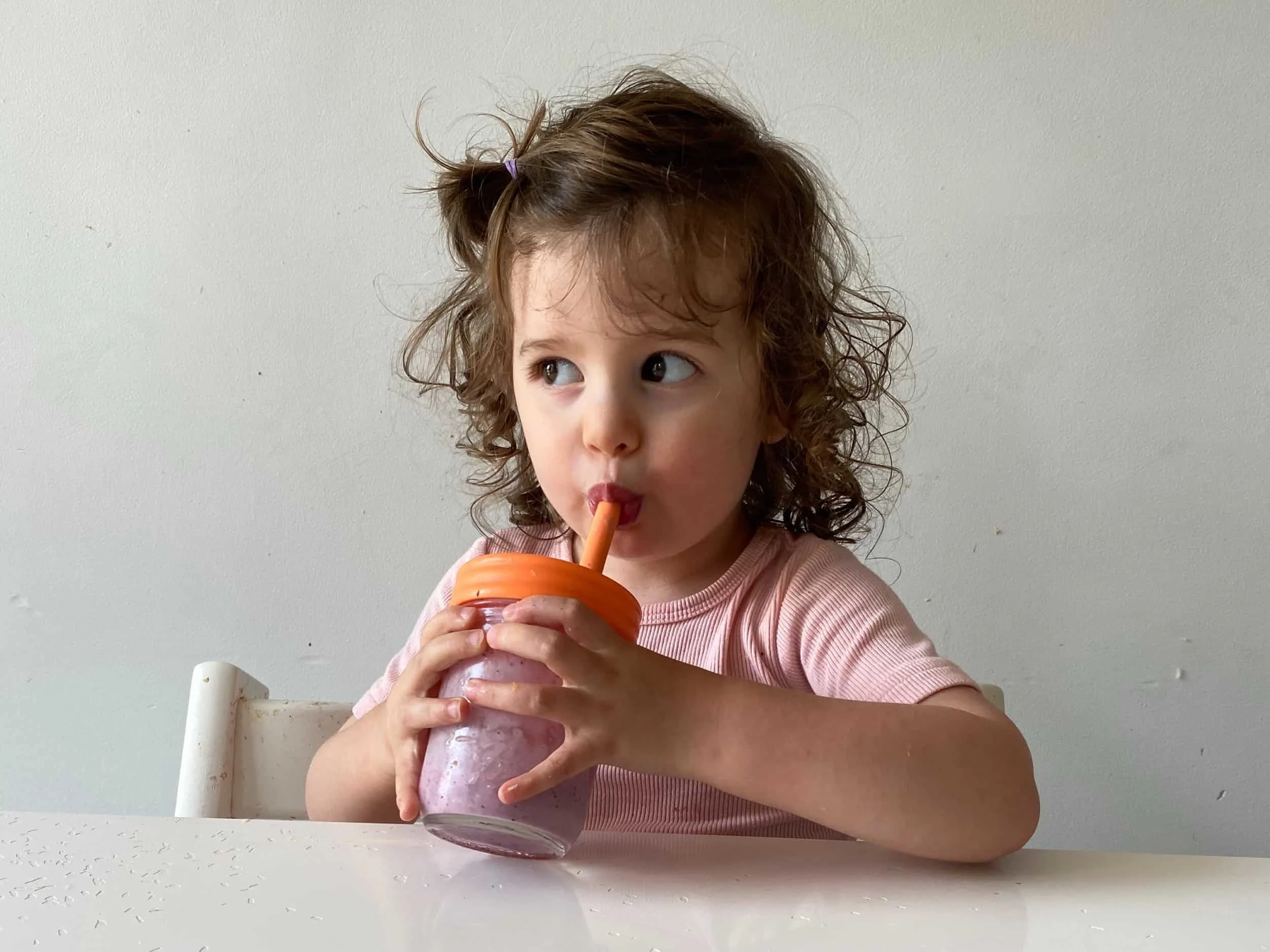
You can introduce smoothies into your child’s diet after their first birthday, though we suggest waiting longer. Learn the reasons why.
Key Points
Make smoothies just one part of a healthy diet
Smoothies are a great treat once or twice a week, but also offer foods that need to be chewed. This helps toddlers practice chewing and get better at eating different textures.
Pack smoothies with foods that are high in fat, iron, and fiber
Smoothies made with sweet fruits are a great way to get toddlers to eat other healthy foods. Try adding chia seeds, nut butter, and iron-rich leafy greens like spinach.
Serve the foods in smoothies at other meal times
Hiding healthy foods in smoothies is fine, but toddlers also need to learn to eat those foods on their own. For example, if you add spinach to a smoothie, also try serving spinach at dinner. This helps them get used to how it looks, tastes, smells, and feels.
Technically you can introduce smoothies into your child’s diet after their first birthday, though we generally suggest waiting until 15-18 months of age. Here’s why:
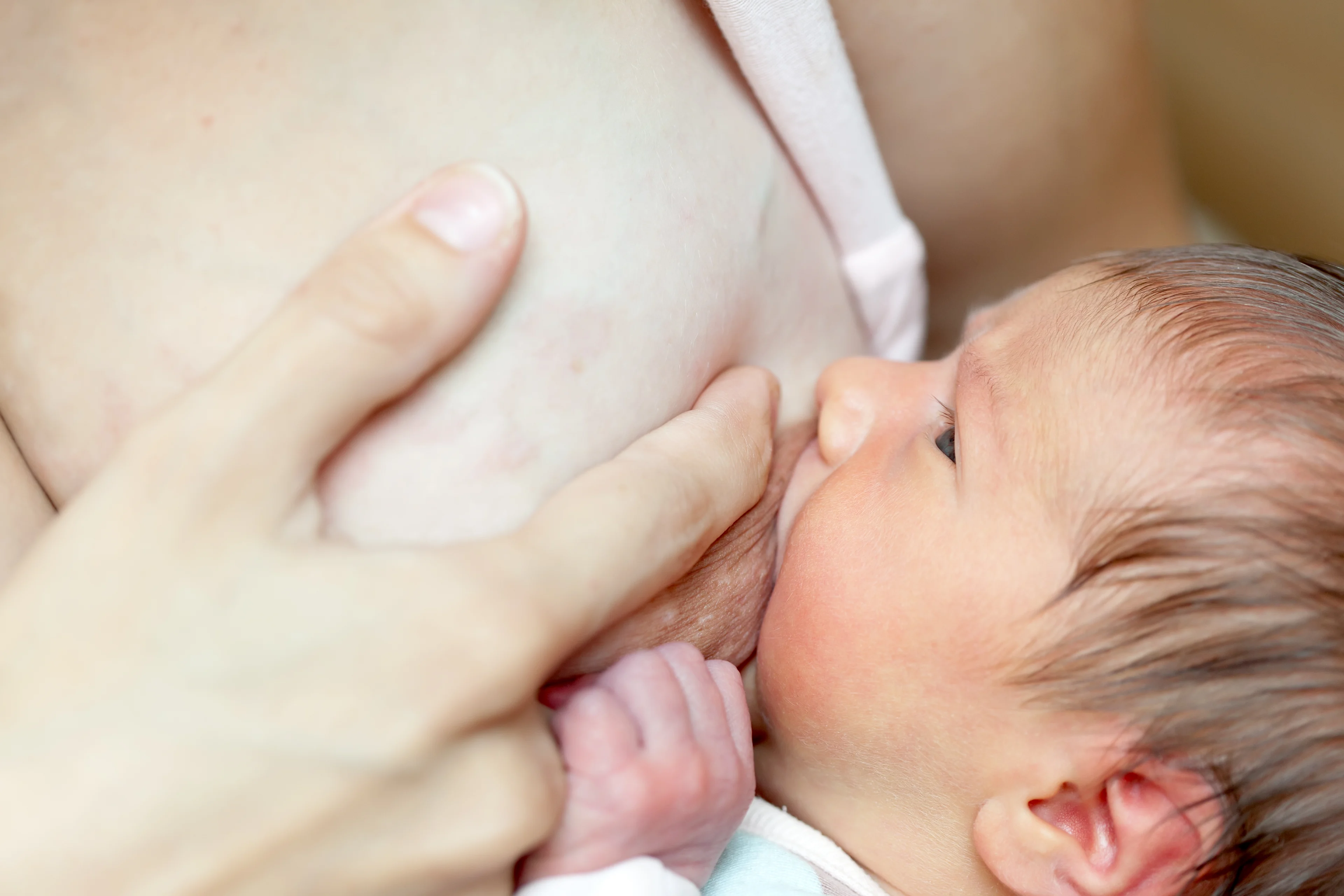
It takes time to transition from drinking your meals (from breast or bottle) to chewing and swallowing them. And all that chewing and swallowing is hard work! Most babies and young toddlers we know, if given the chance, will drink their meals before putting in the work to eat them. You *just* taught your baby to wean off drinking the majority of their calories—so we don’t want to slide back into that too soon.
The other issues with relying on smoothies too often is that they obscure the whole foods that are in them. Sure, it’s great from a nutrition standpoint if your baby is consuming a cup of raw kale in their morning smoothie. But does a green smoothie acclimate your baby to the taste and texture of raw kale? No, it does not. Our feeding therapists like to say: if you’re serving zucchini in the form of a zucchini muffin, that’s fine, but be aware that you’re teaching your child to eat muffins, not zucchini.
Another approach is to limit smoothies to once or twice a week. If your toddler is eating fruits and veggies in their whole form readily, feel free to do more smoothies. But if your toddler is resisting fresh fruits and veggies, be wary of relying on smoothies to "get" the nutrition in and instead, work on building a stronger foundation of the whole foods that go into those smoothies.
Frequently Asked Questions
Choose a liquid like milk or water, add their favorite fruits, and mix in scoop of food with healthy fat like avocado, nut butter, or yogurt. You can also add iron-rich foods like chia seeds, spinach, or tofu. Skip honey or maple syrup; fruit makes smoothies sweet enough for most kids.
Either works. An open cup is a great choice for cup drinking practice, while a straw cup with a lid helps prevent spills. Check out the best cups for babies and toddlers.
Not consistently. A smoothie instead of a meal is fine on a busy morning or when your toddler is sick—but try not to make it a habit. Relying too much on smoothies can slow down a toddler's ability to learn to chew different foods. Check out tips to get toddlers to try new foods.
They can, especially if a toddler frequently sips a smoothie slowly over a long period or drinks a smoothie while falling asleep. To lower the risk, serve smoothies in one sitting rather than letting your toddler sip throughout the day and follow up with a drink of water or toothbrushing.
Start solids with confidence
- Guided Introduction to 100+ Foods
- Smart Tools to Simplify Mealtime
- Food Allergen 101
- 300+ Meal Ideas
- First Foods® Database
Start solids with confidence
- Guided Introduction to 100+ Foods
- Smart Tools to Simplify Mealtime
- Food Allergen 101
- 300+ Meal Ideas
- First Foods® Database