
Tea
- Age Suggestion
- 4 years
- Iron-Rich
- No
- Common Allergen
- No
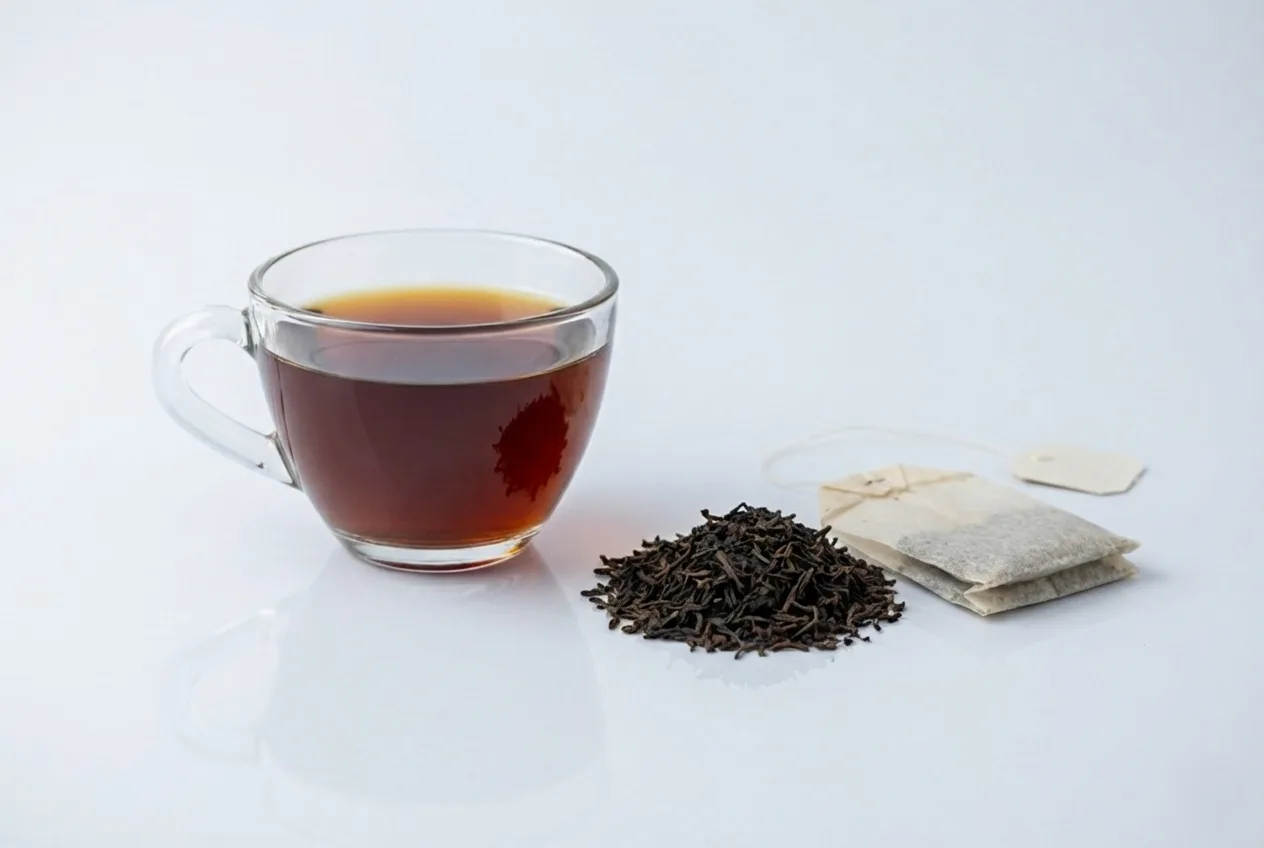
When can babies have tea?
Caffeinated teas like black or green tea are best served in moderation after 4 years of age. While sharing a sip here and there is fine, babies and toddlers should not be given caffeinated drinks like tea, as caffeine can interfere with sleep, appetite, and nervous system regulation. Decaffeinated or herbal teas are fine to offer in moderation after 12 months of age. Learn more about herbal teas.
Tea is made from the leaves of a plant native to East Asia that has been cultivated for thousands of years. Depending on how the leaves are processed, the same plant produces green, black, white, and oolong teas. Tea holds deep cultural significance across many regions of the world, including China, Japan, India, Southwest Asia, the United Kingdom, and parts of Africa, where it is woven into daily rituals, hospitality, and social life.
How do you serve tea to babies and kids?
Every baby develops on their own timeline, and the suggestions on how to cut or prepare particular foods are generalizations for a broad audience.
6 months old +:
Wait to serve tea due to high levels of caffeine, which should be avoided in the diets of babies and toddlers.
12 months old +:
At this age, sharing herbal teas in moderation is a nice option for children who would like to share the ritual of tea drinking with their family. Make sure the tea is no longer very hot and offer a small amount in an open cup.
4 years old +:
At this age, you can offer small amounts of tea, preferably decaffeinated or lightly brewed and diluted with water, in an open cup, although there’s certainly no need to. An occasional small splash of tea in a cup of milk can be offered if your child is interested in sharing the ritual of tea drinking with you. Make sure the tea is no longer hot, opt for decaffeinated tea whenever possible, and in general, aim to minimize caffeine in a child’s diet.
Is tea a choking hazard for babies?
No. Tea presents a low risk when safely prepared for a child’s age and developmental ability, though tea leaves, boba, pieces of fruit, and other add-ins present in the tea when serving can increase the risk. To reduce the risk, serve tea in an age-appropriate way as described in How to Serve. As always, make sure to create a safe eating environment and stay within reach of baby during meals.
Learn the signs of choking and more about choking first aid in our free guides, Infant Rescue and Toddler Rescue.
Is tea a common allergen?
No, but reactions have been reported.[1] [2] Research regarding tea allergy is in its infancy and it’s unclear if individuals with reactions to tea were allergic to the tea itself, or contaminants in the tea. Certain herbal teas, such as chamomile, can cause reactions in individuals who are allergic to pollens such as ragweed.[3] Tea may cause reactions that are mistaken for allergies, like digestive upset, often in relation to the tea’s caffeine and tannin content.[4][5]
What teas are safe for babies?
For babies under 12 months of age, a sip here and there of whatever tea you are having is okay, as long as it is not too hot and there are no choking hazards in the tea such as boba or jellies. But in general, hold off on sharing tea as a drink until a child is older.
Caffeinated teas can interfere with sleep, appetite, and nervous system regulation, and even decaffeinated or herbal teas are best avoided until around the first birthday. Breast milk and formula are forms of complete nutrition for babies, and serving tea as a drink under 12 months can take up space in the belly, which may discourage consumption of these more nutritious drinks. Do not treat medical issues like colic or digestive upset with herbal or medicinal teas before talking to your child’s medical healthcare provider. Not all herbal teas or teas with claims to treat an ailment are safe for children.
Why is caffeine not good for babies?
Children can be particularly sensitive to caffeine’s stimulant side effects, like reduced appetite, jitteriness, poor sleep, reflux, and more.[6] For these reasons, it is important to avoid caffeine for babies entirely, and to minimize caffeine intake for children where possible.
When can kids have caffeinated tea?
Recommendations on caffeine intake for children vary worldwide. In the United States, it is recommended to avoid caffeinated drinks until 12 years of age, while Canada offers guidance starting at 4 years of age if desired (but it is not necessary).[7] [8] Tea is one of the most popular and accessible drinks worldwide and plays a large role in many world cultures so do what makes sense for your family’s culture and child’s individual needs, but do aim to avoid excess caffeine intake for your child and opt for decaf tea when possible. Avoid soda, energy drinks, and other highly caffeinated drinks due to added sugars and in some cases, harmfully high levels of caffeine.
Daily acceptable caffeine content for kids by age per Health Canada:[7] [8] [9]
Ages 4-6: 45 mg (about 1 cup of black tea or ½ cup of coffee)
Ages 7-9: ~63 mg (about 1.5 cups of black tea or roughly 2/3 cup of coffee)
Ages 10-12: 85 mg (about 1.75 cups of black tea or roughly 3/4 cup of coffee)
Note: Caffeine consumption is entirely optional and not required nutritionally or for general health.
Does tea negatively impact iron absorption?
Reference Material
Shirai, T. et al. (2003) Food allergy to green tea. Journal of Allergy and Clinical Immunology, 112, 4: 805-806.
Sugiyama, K., Cho, T., Tatewaki, M., Onishi, S., Yokoyama, T., Yoshida, N., Fujimatsu, T., Hirata, H., Fukuda, T., & Fukushima, Y. (2015). Anaphylaxis due to caffeine. Asia Pacific allergy, 5(1), 55–56. DOI: 10.5415/apallergy.2015.5.1.55
Popescu FD. (2015). Cross-reactivity between aeroallergens and food allergens. World J Methodol. 5(2):31-50. doi: 10.5662/wjm.v5.i2.31. PMID: 26140270; PMCID: PMC4482820.
Start solids with confidence
- Guided Introduction to 100+ Foods
- Smart Tools to Simplify Mealtime
- Food Allergen 101
- 300+ Meal Ideas
- First Foods® Database
Start solids with confidence
- Guided Introduction to 100+ Foods
- Smart Tools to Simplify Mealtime
- Food Allergen 101
- 300+ Meal Ideas
- First Foods® Database
Expert Tips Delivered to Your Inbox
Sign up for weekly tips, recipes and more.