
Soy Yogurt
Legume
- Age Suggestion
- 6 months
- Iron-Rich
- Yes
- Common Allergen
- Yes
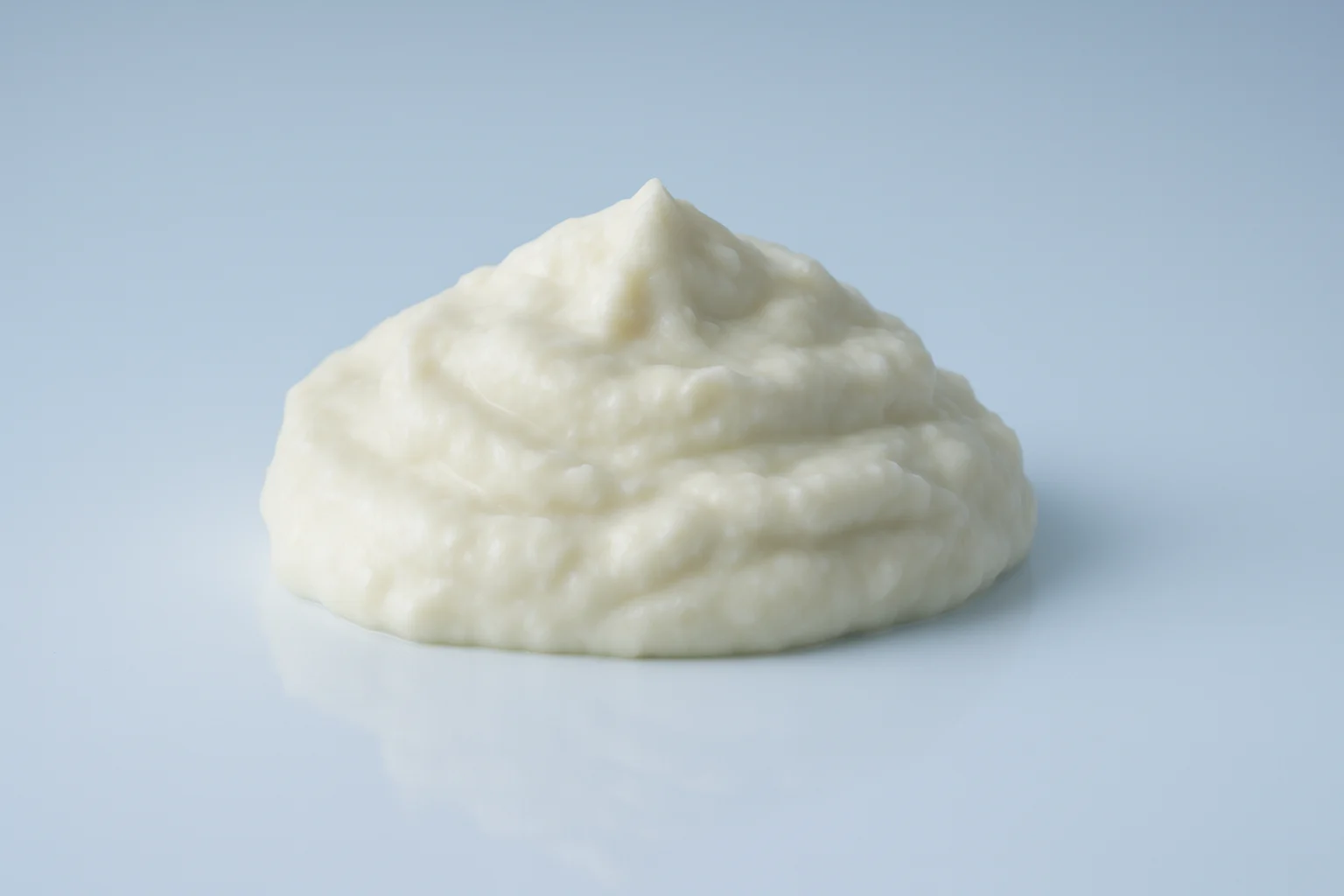
When can babies have soy yogurt?
Soy yogurt may be introduced as soon as baby is ready to start solids, which is generally around 6 months of age. Note that soy yogurt is made with soy, a common allergen, so take care when introducing.
Soy yogurt builds on the long history of soy-based foods in East Asia, where soybeans have been cultivated for thousands of years. Traditional soy products like tofu, soy milk, and tempeh have been dietary mainstays in China, Japan, Korea, and other parts of the region. The concept of fermenting soy milk with probiotic cultures parallels the methods used to make dairy yogurt, offering a plant-based alternative with familiar tang and texture. While soy yogurt first gained traction in the West during the late 20th century alongside the rise of vegan and vegetarian diets, it continues to reflect the deep agricultural and culinary heritage of soy in Asian cuisines.
How do you serve soy yogurt to babies?
Every baby develops on their own timeline, and the suggestions on how to cut or prepare particular foods are generalizations for a broad audience.
6 months old +:
Offer soy yogurt in a bowl and let baby scoop the yogurt with their hands or eat from a pre-loaded spoon (passing the spoon in the air will make it easier for baby to grab). If you have already successfully introduced nut or seed butters, mixing them into yogurt will offer extra nourishment and make the yogurt a bit thicker (and less likely to fall off the spoon). You can also use soy yogurt as the base for sweet and savory sauces.
9 months old +:
At this age, babies may be able to pick up pre-loaded spoons independently. Continue to offer soy yogurt in a bowl and give baby plenty of opportunities to pick up the pre-loaded spoon independently. Note that many babies will tire of this activity quickly so don’t worry if you need to go back and forth between letting baby eat yogurt with their fingers, a pre-loaded spoon handed over the air, or a pre-loaded spoon resting on the edge of a bowl. Multiple spoons at the same time can help.
12 months old +:
In this age range, if you are still pre-loading spoons and handing them over in the air, this is a good time to pre-load the spoon and leave it on the edge of the bowl for the toddler to pick up independently and practice using. Be patient: consistent, independent utensil use may not come until after 2 years of age.
Is soy yogurt a choking hazard for babies?
No. Soy yogurt presents a low risk when safely prepared for a child’s age and developmental ability, though, in theory, an individual could choke on any food. To reduce the risk, prepare and serve soy yogurt in an age-appropriate way as described in the How to Serve section. As always, create a safe eating environment and stay within reach of baby during meals.
Learn the signs of choking and more about choking first aid in our free guides, Infant Rescue and Toddler Rescue.
Does soy yogurt contain common allergens?
Yes. Soy yogurt is made with soybean, which is a common food allergen among infants, and may contain other common allergens. Read the label on soy yogurt carefully before serving.
However, there is good news: less than 1% of children are allergic to soy, reactions tend to be mild (although severe reactions to soy have been reported), and almost 70% of children outgrow their allergy by age 10.[1] [2] For these reasons, soy is not classified as a Global Priority Allergen by the World Health Organization.[3]
Although a significant percentage of children with soy allergy may also be sensitized to peanut (and vice versa) on testing, this does not always translate into a clinical allergy.[2] [4] If baby has experienced an allergic reaction to soy, and you have not yet introduced peanut, you may wish to introduce peanut after consultation with your doctor. However, there is no need to remove peanut from the diet or pursue peanut allergy testing if it is already being eaten without any reaction. Likewise, babies with peanut allergy do not need to eliminate soy if it is already well-tolerated in the diet.
Some babies with cow’s milk allergy are sensitive to soy. In fact, 10 to 14% of young children with IgE-mediated cow’s milk allergy also present with allergic reactions to soy, and 30-50% of US infants with non IgE-mediated cow’s milk allergy may co-react to soy.[5] [6] [7] [8] This is more likely to be seen in babies under 6 months of age.[6] For this reason, many pediatricians recommend that babies with a known milk allergy preemptively avoid both cow’s milk and soy for the first 6 months of life, and they may recommend extensively hydrolyzed or elemental infant formula instead of soy formula during this time. If this is the case for your baby, you should also avoid soy yogurt.
Individuals with Oral Allergy Syndrome (also known as food-pollen allergy syndrome), especially those allergic to birch pollen, may experience symptoms after the ingestion of soy. Oral Allergy Syndrome typically presents with short-lived itching, tingling, or burning in the mouth, and is unlikely to result in a severe reaction. That said, serious reactions to soy in individuals with birch pollen allergy have been reported, most commonly in individuals who are also allergic to peanut.[9] [10]
Soy is a known cause of food protein-induced enterocolitis syndrome, also known as FPIES. FPIES is a delayed allergy to food protein which causes the sudden onset of repetitive vomiting and diarrhea to begin a few hours after ingestion. This is termed acute FPIES. Left untreated, the reaction can result in significant dehydration. When soy is in the diet regularly, FPIES can present as reflux, weight loss, and failure to thrive. This is termed chronic FPIES. Symptoms generally improve with elimination of soy from the baby’s diet. Thankfully, like other forms of soy allergy, FPIES that presents early in life is generally outgrown by the time the child has reached 3 to 5 years of age—often earlier.[11]
When introducing soy to baby, start with a simple food that isolates the ingredient, such as soy yogurt, plain tofu strips, or soy milk mixed into mashed vegetables, and watch for any adverse reactions. As with all common allergens, start by serving a small quantity for the first few servings, and if there is no adverse reaction, gradually increase the quantity over future meals. Once common food allergens are successfully introduced, it is recommended to keep them in the diet regularly (twice weekly, if possible).
Is soy yogurt healthy for babies?
Yes. Soy yogurt provides plant-based protein, iron, and some healthy fat. Fortified varieties also tend to contain calcium, vitamin D, and B12, which are important for growth and bone development. Some brands are made with live bacterial cultures, which offer probiotic benefits for baby’s digestion.
Does soy yogurt have probiotics?
Yes, many soy yogurts contain live probiotic cultures. Check labels for “live active cultures.”
Reference Material
Food Allergy Research and Education. Soy Allergy.
Savage, J.H., Kaeding, A.J., Matsui, E.C., Wood, R.A. (2010). The natural history of soy allergy. The Journal of allergy and clinical immunology, 125(3), 683–686. DOI:10.1016/j.jaci.2009.12.994.
FAO and WHO. (2022). Risk Assessment of Food Allergens. Part 1 – Review and validation of Codex. Alimentarius priority allergen list through risk assessment. Meeting Report. Food Safety and Quality. Series No. 14.
Start solids with confidence
- Guided Introduction to 100+ Foods
- Smart Tools to Simplify Mealtime
- Food Allergen 101
- 300+ Meal Ideas
- First Foods® Database
Start solids with confidence
- Guided Introduction to 100+ Foods
- Smart Tools to Simplify Mealtime
- Food Allergen 101
- 300+ Meal Ideas
- First Foods® Database
Expert Tips Delivered to Your Inbox
Sign up for weekly tips, recipes and more.