
Soup
Prepared
- Age Suggestion
- 6 months
- Iron-Rich
- No
- Common Allergen
- Yes
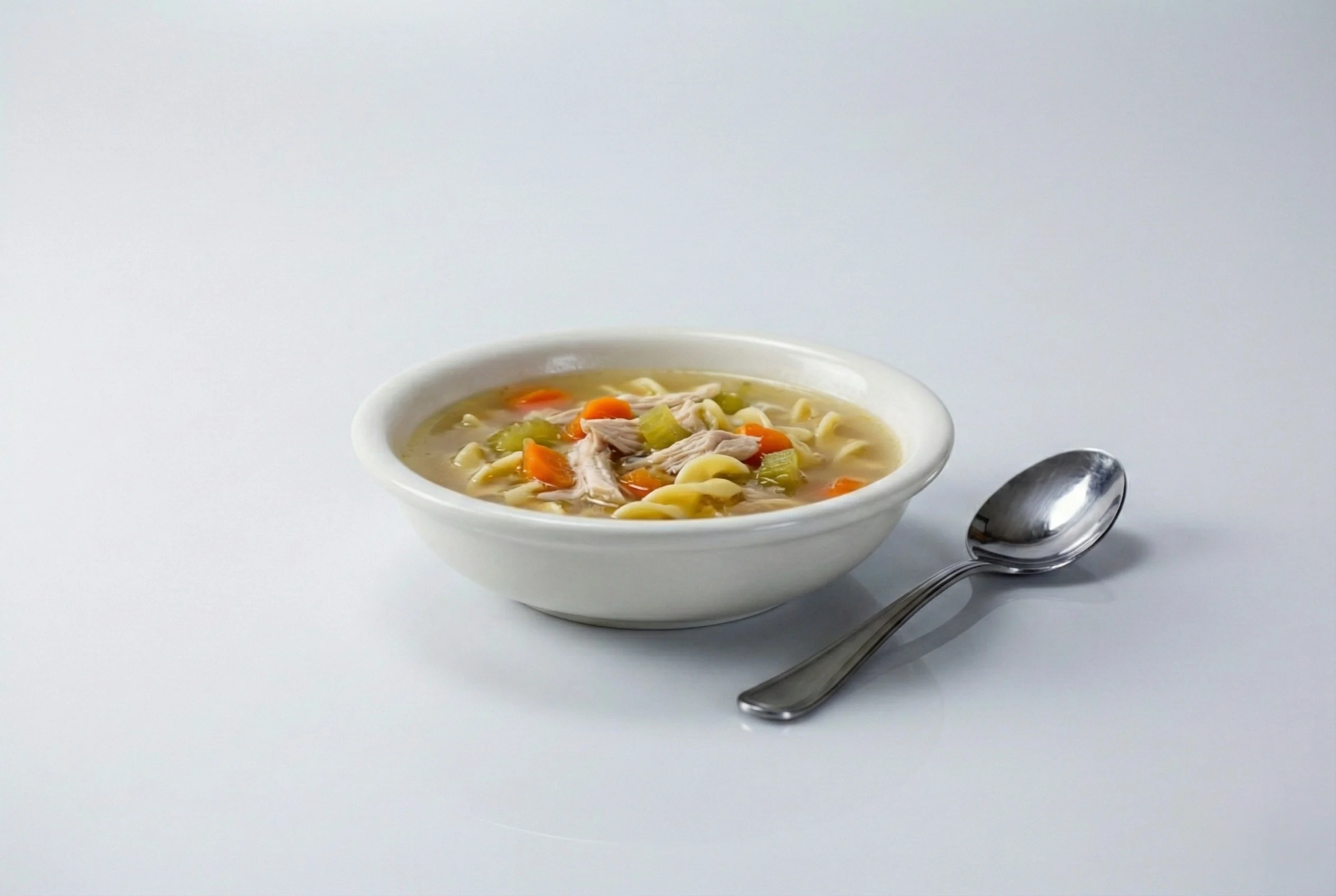
When can babies have soup?
Soup may be introduced as soon as baby is ready to start solids, which is generally around 6 months of age.
Soup is a foundational food in cuisines around the world, from brothy noodle soups and hearty stews to puréed vegetable soups and chilled soups like gazpacho. Historically, soup has been a practical way to make use of available ingredients, stretch resources, and nourish people across all stages of life. From avgolemono and chicken noodle soup to goulash and gumbo to phở and pozole, soups worldwide are a flexible, family-friendly food that exist in a wide range of textures, flavors, and cultural traditions.
How do you serve soup to babies?
Every baby develops on their own timeline, and the suggestions on how to cut or prepare particular foods are generalizations for a broad audience.
6 months old +:
Offer blended or puréed soups–like black bean soup, lentil soup, and tomato soup, among many others–on a preloaded spoon for baby to taste or put a small amount in an open cup for baby to practice drinking. You can also offer a strip of toast or heel of crusty bread to dip into the soup, which allows baby to build oral-motor skills by munching on the food and experience the flavor of the soup. If you have a soup with separate solid and liquid components, you can offer some of just the broth in an open cup and you can pull out age-appropriate pieces of food from the soup for baby to eat separately, like noodles, soft shredded chicken, or mashed beans. If baby has a tough time picking up these pieces of food on their own, you can mix the pieces into a scoopable food like mashed potato or ricotta cheese. Avoid serving choking hazards from a soup such as firm chunks of vegetable, meat, or sausage. Ensure soup is cooled to a safe temperature.
9 months old +:
Serve soft, age-appropriate pieces of food from whatever soup you’re having, such as pieces of pasta, shredded chicken, beans, or pieces of soft vegetable, for baby to pick up with their developing pincer grasp. You can also offer just the broth or a blended or pureed soup in an open cup or a preloaded spoon for baby to sip. Continue to avoid serving foods with an increased choking risk, like chunks of meat, and make sure that the soup is no longer hot.
12 months old +:
This is a good age to start serving soup in a bowl for the child to practice scooping with their hands or a spoon. Just expect mess as the child works on this challenging skill. Spoons with short handles are likely to lead to more success than one with a longer handle. Measuring spoons (which tend to have deep bowls) and soup spoons (which have deeper bowls and short, angled handles) are great utensils to try. If you’d like, you can continue to pull out age-appropriate pieces of food from the soup for the child to eat on the side and offer broth or blended soups in an open cup. Continue to modify or remove higher-risk foods from a soup like chunks of sausage or firm vegetables.
Is soup a choking hazard for babies?
It depends. Soup typically is mashable and liquidy, but may contain chunks of firm vegetables, meat, or other ingredients that increase the choking risk. To reduce the risk, prepare and serve soup in an age-appropriate way as described in How to Serve. As always, make sure to create a safe eating environment and stay within reach of baby during meals.
Learn the signs of choking and more about choking first aid in our free guides, Infant Rescue and Toddler Rescue.
Does soup contain common allergens?
It depends. Soups can contain a variety of common allergens, depending on the type and ingredients, including dairy, fish, soy, wheat, and more. Ingredients in soup vary, so always check the label before serving if your child has food allergies.
Prior to sharing any particular soup with baby, it is important to introduce common food allergens on their own and rule them out as allergens before serving them together in a prepared food. This way, you’ll be able to identify which allergen is responsible if baby has a reaction. Then, when you are ready to offer something like soup with multiple common allergens, you will be confident that they have already safely eaten any common allergens in the food.
Is soup healthy for babies?
Yes, most soups can be healthy for babies. Soups made with vegetables, legumes, meat, fish, grains, and fats can provide hydration, energy, protein, vitamins, minerals, and more. Nutrition varies widely depending on the ingredients and preparation. Some soups are rich in nutrients like iron, zinc, and protein, while others are lighter and primarily provide fluids and some fiber.
Store-bought soups can be high in sodium, so lower-sodium or homemade options are often better suited for babies.
Can babies have cold soup?
Yes. Babies who are developmentally ready for solids can have soup at any temperature, as long as it is not served too hot. Some soups, such as borscht, gazpacho, and vichyssoise, are meant to be served cold and it’s fine to share these in an age-appropriate way with baby, such as preloaded on a spoon or with the liquid in an open cup.
Can babies drink soup broth?
Yes. Broth from a soup can be offered on a preloaded spoon, in an open cup, or mixed into foods. Choose low-sodium or homemade broth when possible, and make sure any common allergens in the soup or broth have been safely introduced before serving.
Start solids with confidence
- Guided Introduction to 100+ Foods
- Smart Tools to Simplify Mealtime
- Food Allergen 101
- 300+ Meal Ideas
- First Foods® Database
Start solids with confidence
- Guided Introduction to 100+ Foods
- Smart Tools to Simplify Mealtime
- Food Allergen 101
- 300+ Meal Ideas
- First Foods® Database
Expert Tips Delivered to Your Inbox
Sign up for weekly tips, recipes and more.