


Access our First Foods® Database in the Solid Starts App.
Learn moreSichuan Peppercorn
Herb/Spice
Age Suggestion
6 months
Iron-Rich
No
Common Allergen
No
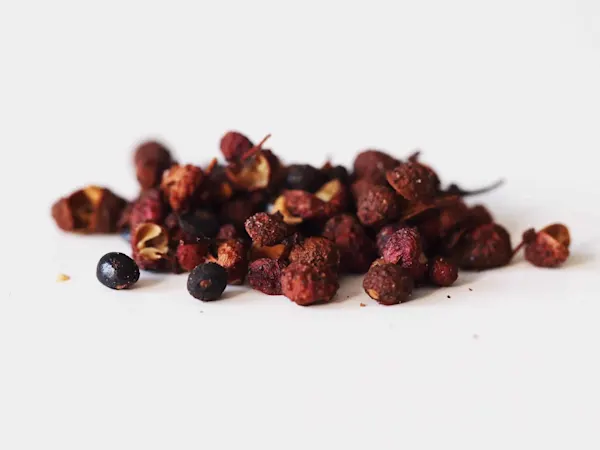
When can babies have Sichuan peppercorn?
Sichuan peppercorn may be introduced as an ingredient in food as soon as baby is ready to start solids, which is generally around 6 months of age. However, because it can cause intense sensations in the mouth, consider starting with a tiny amount of the powdered spice at first. Note that food with sichuan peppercorn may cause a harmless rash where they come into contact with baby’s skin, as well as cause or worsen diaper rash or digestive upset.
Sichuan peppercorns are the berries of a plant known as the prickly ash that grows in the southern province of China from which the spice derives its name. A main ingredient in Sichuan (also spelled Szechuan) cooking, the berries are typically dried and ground to a powder that is used on its own as a flavor enhancer or mixed with other spices to create a blend, such as Chinese five-spice.
How do you serve sichuan peppercorn to babies?
Every baby develops on their own timeline, and the suggestions on how to cut or prepare particular foods are generalizations for a broad audience.
6 months old +:
Let baby taste age-appropriate pieces of food lightly seasoned with powdered sichuan peppercorn. Note that sichuan peppercorn can cause tingling or even a bit of numbness in the mouth, so consider waiting until baby is a little older to regularly offer dishes with lots of this spice.
12 months old +:
Continue to serve age-appropriate dishes seasoned with powdered sichuan peppercorn and adjust the amount of seasoning to the child’s taste. If you've cooked a meal seasoned with whole sichuan peppercorns, make sure to remove them before serving the child. Note that sichuan peppercorn can cause tingling or even a bit of numbness in the mouth, so follow the child’s lead when seasoning their food with the spice.
Videos
Are sichuan peppercorns a choking hazard for babies?
Yes. Whole sichuan peppercorns are small, round, and very firm, qualities that increase the risk of choking. To reduce the risk, remove whole peppercorns from a dish before serving to baby, and prepare and serve sichuan peppercorn in an age-appropriate way as described in the How to Serve section. As always, make sure you create a safe eating environment and stay within an arm’s reach of baby during meals.
Learn the signs of choking and gagging and more about choking first aid in our free guides, Infant Rescue and Toddler Rescue.
Is sichuan peppercorn a common allergen?
No. While not a common allergen, Sichuan peppercorns cause an intense tingling and numbing sensation in the mouth, which can simulate oral symptoms of an allergic reaction. As you would with any spicy food, start by introducing small amounts of the spice and watch your baby carefully to gauge their reaction before increasing the quantity.
Are sichuan peppercorns safe for babies?
Yes. Sichuan peppercorn is generally recognized as safe when used in amounts typical in cooking and prepared in an age-appropriate way.
Contrary to popular belief, babies can enjoy big flavors, including sichuan peppercorns. Start with small tastes and adjust the spice level to suit the child. The goal is to try to have a joyful experience with the food. To reduce the numbing sensation, start with small amounts and taste the food before offering to baby. If it seems too strong, adjust the seasonings to mellow the flavor.
Are sichuan peppercorns healthy for babies?
Yes. While sichuan peppercorns are not typically consumed in significant amounts, they offer a variety of beneficial plant compounds such as lignins, fatty acids, and antioxidants that help baby thrive. Sanshool, a compound in the food that causes a tingly numbing sensation may initially feel startling for baby, so when introducing, start small amounts in food and follow baby’s cues and comfort.
★ Tip: When possible, choose whole sichuan peppercorns that have a strong smell. These are typically fresher and of higher quality.
What utensils do I need to get started?
None! Put solid food directly on baby’s tray, plate, or bowl, then let baby explore with their hands. If you like, keep a baby spoon or fork nearby to help familiarize the child with utensils, but the skills to use them are not expected until early toddlerhood.
Does baby need a high chair?
While a high chair can help create a safe eating environment, there are alternative ways for baby to eat safely, such as holding the child on your lap or sitting together on the floor. For more information, see our article on high chairs.
Our Team
Written by


Dr. Rachel Ruiz
Pediatrician & pediatric gastroenterologist

Dr. Sakina Bajowala
Pediatrician & pediatric allergist/immunologist

Kim Grenawitzke
Pediatric occupational therapist, feeding & swallowing specialist, international board-certified lactation consultant

Jenna Longbottom
Speech-language pathologist, feeding & swallowing specialist, certified lactation counselor

Marisa Suarez
Occupational therapist, feeding & swallowing specialist, certified lactation education counselor
Expert Tips Delivered to Your Inbox
Sign up for weekly tips, recipes and more!




Copyright © 2026 • Solid Starts Inc