
Rosemary
Herb/Spice
- Age Suggestion
- 6 months
- Iron-Rich
- No
- Common Allergen
- No
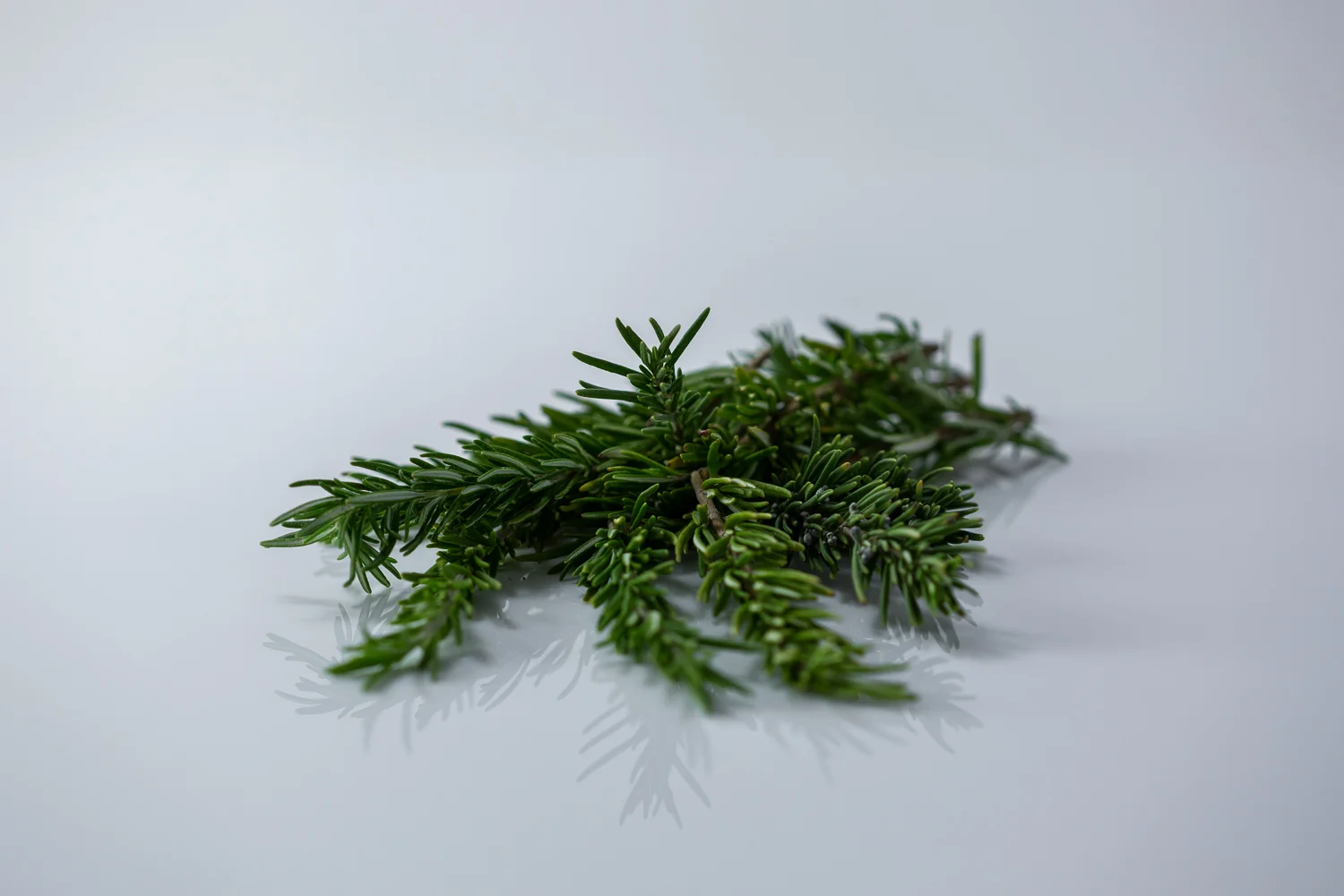
When can babies have rosemary?
Rosemary may be introduced as soon as baby is ready to start solids, which is generally around 6 months of age. Avoid rosemary essential oils, extracts, teas, and powders for baby, as research on their safety is limited and there have been reports that they have caused serious illness.[1] [2]
Rosemary originated in the lands around the Mediterranean Sea and still grows wild in dry, hilly areas throughout the region. With its peppery taste and strong evergreen aroma, rosemary has long been prized for its ability to flavor sweet and savory dishes alike.
How do you serve rosemary to babies?
Every baby develops on their own timeline, and the suggestions on how to cut or prepare particular foods are generalizations for a broad audience.
6 months old +:
Finely chop fresh rosemary and incorporate into age-appropriate dishes for baby, like a dressing for cooked vegetables or a sauce for meat. As long as the stem of the plant is soft, you can finely chop the stem along with the leaves. If the stem has gotten woody and tough, remove the leaves from the stem before preparing. Alternatively, use dried rosemary or powdered rosemary to flavor food.
12 months old +:
Use fresh, dried, or powdered rosemary as you normally would in dishes, including whole fresh rosemary leaves. If you’ve left a large, woody sprig of rosemary in a dish to flavor it as it cooks, remember to remove it before serving to reduce the chance of discomfort or choking if it ends up in the toddler’s portion of the meal.
Is rosemary a choking hazard for babies?
No. Rosemary presents a low risk when safely prepared for a child’s age and developmental ability, though, in theory, an individual could choke on any food. To reduce the risk, prepare and serve rosemary in an age-appropriate way as described in the How to Serve section. As always, make sure you create a safe eating environment and stay within an arm’s reach of baby during meals.
Learn the signs of choking and gagging and more about choking first aid in our free guides, Infant Rescue and Toddler Rescue.
Is rosemary a common allergen?
No. Allergies to rosemary are not common, but cases have been reported.[3] If a child is sensitive to plants of the Lamiaceae family such as mint, oregano, basil, lavender, sage, thyme, or marjoram, take care when introducing rosemary, as these plants are closely related.[4]
As you would when introducing any new food, start by offering a small quantity for the first few servings. If there is no adverse reaction, gradually increase the quantity over future meals.
Is rosemary safe for babies?
Is rosemary healthy for babies?
Yes. Rosemary offers small amounts of a variety of vitamins, minerals, and fiber. Rosemary also contains a number of plant compounds like rosmarinic and carnosinic acids, in addition to other polyphenols and terpenes, which may offer anti-inflammatory, antimicrobial, and antioxidant properties.[6] [7]
What utensils do I need to get started?
None! Put solid food directly on baby’s tray, plate, or bowl, then let baby explore with their hands. If you like, keep a baby spoon or fork nearby to help familiarize the child with utensils, but the skills to use them are not expected until early toddlerhood.
How much food should I serve to baby?
When first getting started, offer a small amount and trust that baby knows how to show interest in wanting more by grunting, pointing, or reaching out. Keep in mind that most babies between 6 and 9 months of age do not consume much solid food at first. For babies between 10 and 12 months of age, work toward what a balanced adult meal would look like, just with smaller portions than what you might have. Follow the child’s lead: when baby indicates “more”, offer more food. When baby shows signs that they are finished, stop offering food.

Reference Material
Natural Medicines Database. Rosemary.
Mount Sinai. Rosemary.
Valones, M. A. A., Silva, I. C. G., Gueiros, L. A. M., Leão, J. C., Caldas, A. F., Jr, & Carvalho, A. A. T. (2019). Clinical Assessment of Rosemary-based Toothpaste (Rosmarinus officinalis Linn.): A Randomized Controlled Double-blind Study. Brazilian dental journal, 30(2), 146–151. DOI: 10.1590/0103-6440201902164
Start solids with confidence
- Guided Introduction to 100+ Foods
- Smart Tools to Simplify Mealtime
- Food Allergen 101
- 300+ Meal Ideas
- First Foods® Database

Start solids with confidence
- Guided Introduction to 100+ Foods
- Smart Tools to Simplify Mealtime
- Food Allergen 101
- 300+ Meal Ideas
- First Foods® Database
Expert Tips Delivered to Your Inbox
Sign up for weekly tips, recipes and more.