
Olive Oil
Oil
- Age Suggestion
- 6 months
- Iron-Rich
- No
- Common Allergen
- No
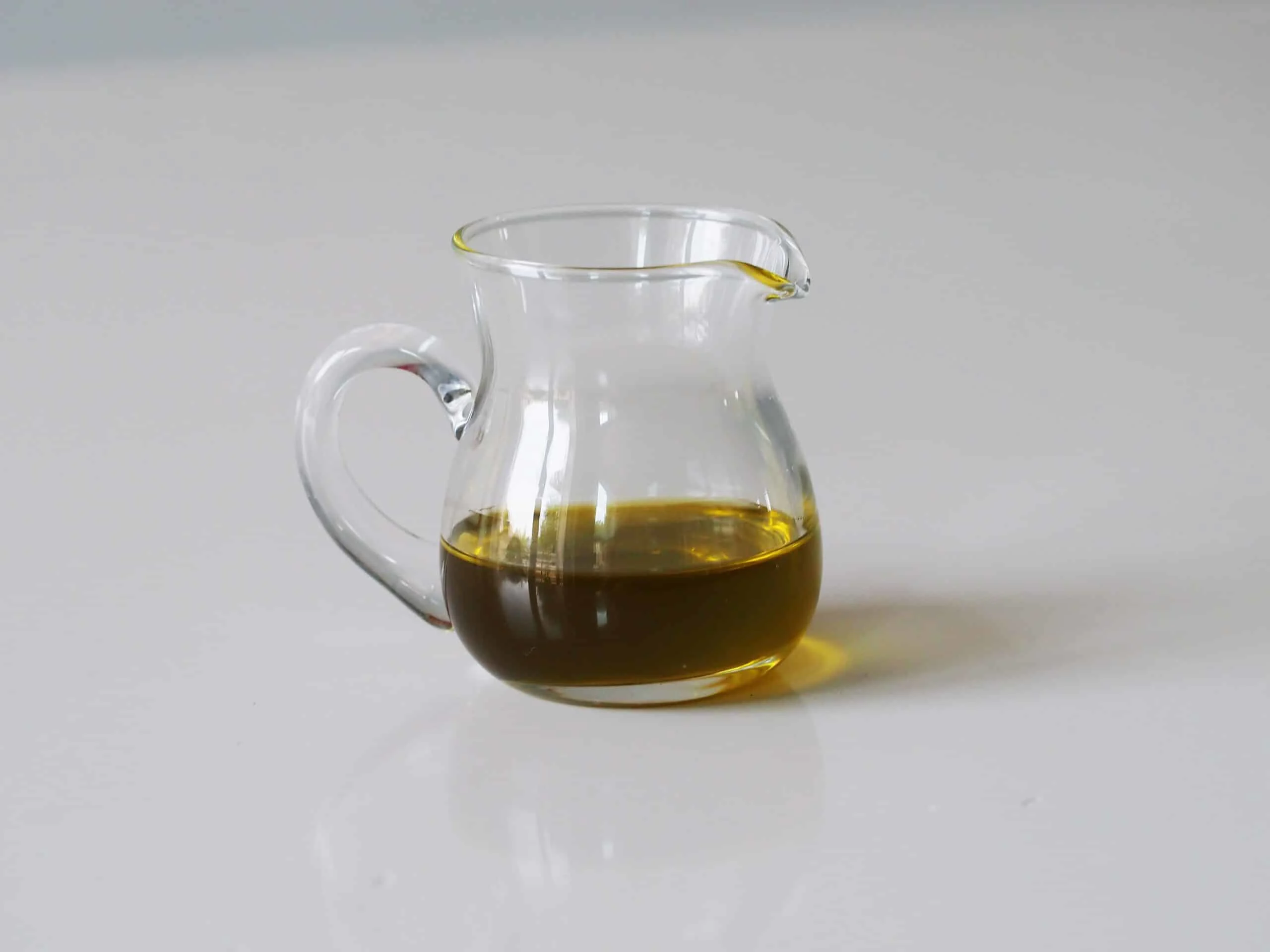
When can babies have olive oil?
Olive oil may be introduced as soon as baby is ready to start solids, which is generally around 6 months of age.
Greek philosopher Homer referred to olive oil as liquid gold, which is a fitting way to describe the healthy fat extracted from the fruit of the olive tree – an ancient plant that originated in the lands around the Mediterranean Sea millions of years ago. The plant’s exact origin is unknown, but archaeological evidence suggests people living in the region learned to press olives for their oil as early as 8,000 B.C. The innovation created more than food; historical texts show how olive oil was widely used as medicine, as fuel for lamplight, and as a symbol and tool in rituals and ceremonies.
How do you serve olive oil to babies?
Every baby develops on their own timeline, and the suggestions on how to cut or prepare particular foods are generalizations for a broad audience.
6 months old +:
Use olive oil liberally in your cooking and drizzle olive oil on fish, meat, grains and other foods. Fats, such as those from olive oil, provide an excellent source of energy for growing babies. If you like, pour a small amount directly on baby’s tray or plate and let them taste the oil on its own.
12 months old +:
Continue to cook with olive oil and incorporate it into marinades, meals, and sauces as desired. This is also a great age to introduce olive oil on its own as a dipping sauce with bread to teach toddlers about the taste of the oil.
Videos
Is olive oil a choking hazard for babies?
No. Olive oil presents a low risk when safely prepared for a child’s age and developmental ability, though, in theory, an individual could choke on any food. To reduce the risk, prepare and serve olive oil in an age-appropriate way as described in the How to Serve section. As always, make sure you create a safe eating environment and stay within an arm’s reach of baby during meals.
Learn the signs of choking and gagging and more about choking first aid in our free guides, Infant Rescue and Toddler Rescue.
Is olive oil a common allergen?
No. Olive oil is not a common allergen. However, some olive oils are mixed with oils from other more allergenic plants like hazelnut and soybeans, so if your child has known allergies to other foods, read labels carefully.[1]
Rare cases of contact dermatitis and food allergy to olive have occurred in areas where olives are commonly harvested.[2] Certain individuals allergic to the pollen from olive trees, the Oleaceae family of plants, such as ash, privet, jasmine, and forsythia, or who have Oral Allergy Syndrome (also called pollen food allergy syndrome) may also be sensitive to eating olives.[3] [4] Oral Allergy Syndrome typically results in short-lived itching, burning, or tingling in the mouth and is unlikely to result in a dangerous reaction. While this sensitivity could, in theory, extend to cold-pressed or extra virgin olive oils, most individuals with allergy to the olive fruit are able to tolerate olive oil.
As you would do when introducing any new food, start by offering a small amount for the first few servings. If there is no adverse reaction, gradually increase the amount served over future meals.
Is olive oil healthy for babies?
Yes. Olive oil is rich in nourishing fats, including omega-3 and omega-6 fatty acids, in addition to vitamins E and K, as well as active antioxidants. These nutrients work together to provide energy to support baby’s movement and exploration, as well as brain development, immune function, bone density, blood clotting, reduction in inflammation, and heart health.[5]
Which kind of olive oil is best for babies?
Whichever kind of olive oil is accessible to you and enjoyed by the rest of the family is fine to share with baby. All olive oils (extra virgin, virgin, cold-pressed, first press, and flavored, among others) are comparable in terms of nutrition and can be used to cook food for babies and toddlers.
Reference Material
Start solids with confidence
- Guided Introduction to 100+ Foods
- Smart Tools to Simplify Mealtime
- Food Allergen 101
- 300+ Meal Ideas
- First Foods® Database
Start solids with confidence
- Guided Introduction to 100+ Foods
- Smart Tools to Simplify Mealtime
- Food Allergen 101
- 300+ Meal Ideas
- First Foods® Database
Expert Tips Delivered to Your Inbox
Sign up for weekly tips, recipes and more.