
Muffin
Prepared
- Age Suggestion
- 6 months
- Iron-Rich
- No
- Common Allergen
- Yes
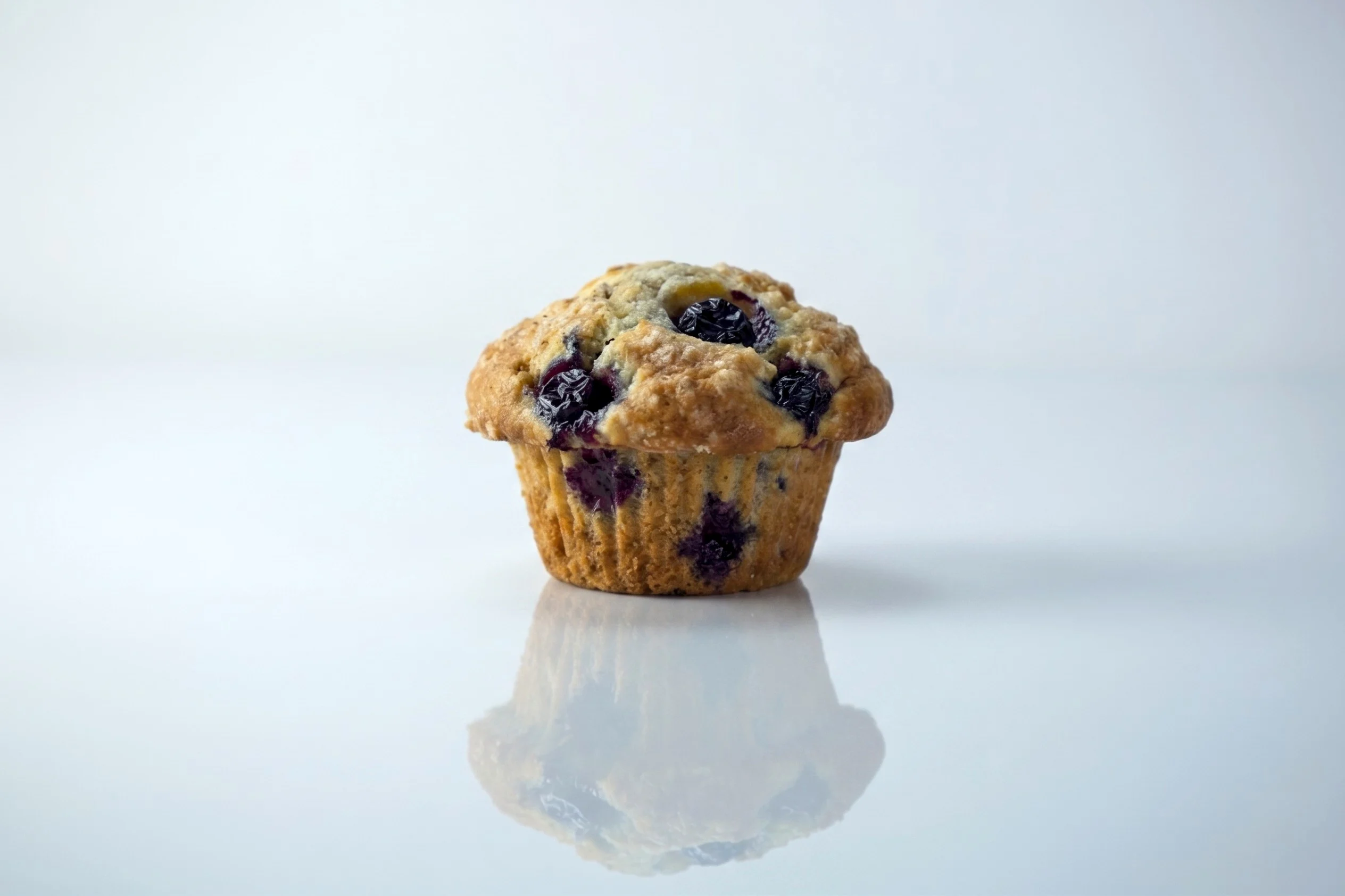
When can babies have muffins?
Muffins may be introduced as soon as baby is ready to start solids, which is generally around 6 months, as long as they do not contain honey, which carries a risk of infant botulism for babies under 12 months, and nuts or other choking hazards. Note that muffins are typically made with dairy, egg, and wheat, and may contain other common allergens.
The quick-bread muffin—a small, individually portioned baked good leavened with baking powder or baking soda rather than yeast—has roots in American and British baking traditions of the 18th and 19th centuries, when chemical leavening made it possible to produce a tender, single-serving cake with little effort. Today the muffin is found in countless sweet and savory variations: blueberry, bran, banana, chocolate chip, cornmeal, zucchini, cheese, and more.
How do you serve muffins to babies?
Every baby develops on their own timeline, and the suggestions on how to cut or prepare particular foods are generalizations for a broad audience.
6 months old +:
Offer a whole muffin or a muffin half for baby to hold and practice taking bites from. The muffin should be moist and soft, as well as large enough that baby cannot fit the whole thing in their mouth at once. Muffins with soft mix-ins like mashed banana, blueberries, or grated zucchini that have been cooked through are fine at this age. Adding a spread of butter, yogurt, or applesauce can make the muffin easier to manage in the mouth. Avoid sharing muffins that contain honey, due to the risk of infant botulism, as well as muffins with nuts or other hard mix-ins due to choking risk. If you share muffins often with baby, consider opting for ones made with low or no added sugar and nutrient-rich ingredients like whole grain flours or soft fruits and vegetables when possible.
9 months old +:
Serve bite-sized pieces of a soft, moist muffin for baby to practice picking up with their developing pincer grasp, or continue to offer a whole large muffin for baby to take bites from. Muffins with soft mix-ins like mashed banana, blueberries, or grated zucchini that have been cooked through are fine at this age, but continue to avoid hard mix-ins like nuts or chocolate chunks due to choking risk and avoid muffins that contain honey due to the risk of infant botulism.
Mini muffins are fine at this age, but note that some babies may start shoveling food in the mouth and baby may overstuff their mouth with muffins. If this happens, keep serving large muffins to take bites from or offer only one mini muffin at a time. If you share muffins often with baby, consider opting for ones made with low or no added sugar and nutrient-rich ingredients like whole grain flours or soft fruits and vegetables when possible.
24 months old +:
At this age, children who have had a good amount of experience with challenging textures and chew their food well can likely manage muffins with firm add-ins like dried fruit, chocolate chunks, or nuts. Offer muffins as desired, and spread with a little butter, yogurt, or applesauce if the muffin is particularly dry or crumbly.
Are muffins a choking hazard for babies?
It depends. Moist, soft muffins offered in an age-appropriate way present a low risk, but firm or dry, crumbly muffins are harder for babies to manage, and some muffins contain choking hazards like whole nuts, nut pieces, or chocolate chunks. To reduce the risk, prepare and serve muffins in an age-appropriate way as described in How to Serve. As always, create a safe eating environment and stay within reach of baby during meals.
Learn the signs of choking and more about choking first aid in our free guides, Infant Rescue and Toddler Rescue.
Do muffins contain common allergens?
Yes. Most muffin recipes contain wheat, egg, and dairy, all common allergens, and may contain other common food allergens such as tree nuts or peanuts as well.
It is important to introduce common food allergens individually and rule out a food allergy before offering baby prepared foods that contain multiple potential food allergens. This way, when you are ready to share a muffin, you will be confident that baby has already safely eaten any common food allergens in it. This approach can also help you quickly identify potential culprits in the unlikely event that baby experiences an allergic reaction after eating a muffin.
What are healthy muffins for babies?
While a taste of any muffin that is free of honey or choking hazards is okay here and there, some muffins are more nutritious than others. Muffins made from whole grain flours or that contain ingredients like flaxseed or bran offer some extra fiber, and some muffins contain shredded vegetables or pieces of fruit, which offer a variety of vitamins and minerals to growing babies.
Some muffins can be high in added sugar, including sugars from agave or maple syrups. While an occasional taste of sweetened muffins is fine, regularly consuming excessive amounts of food with added sugar can increase the risk of cavities as baby’s teeth come in and decrease the child’s motivation to try other food.[1] [2] [3] When it comes to added sugar, aim for a gentle balance: reduce when you can, enjoy when you can’t, and aim to share a variety of food over time.[4] [5] [6] [7] Learn more about sugar and babies.
Can babies have muffins with blueberries or other fruit?
Yes, as long as the fruit baked into a muffin is soft and well-cooked. Foods like blueberries, banana, diced apple, or grated zucchini that have been incorporated into the batter and baked are fully softened and not a choking hazard.
Can I give my baby store-bought muffins?
Yes, babies can have age-appropriate muffins bought from stores or bakeries. Store-bought muffins tend to have more added sugar than homemade versions, but an occasional taste of these is not a cause for concern. Always check the ingredients and make sure any common allergens in the muffin have been safely introduced before sharing with baby.
Can I reduce the sugar in muffins for babies?
Yes, and there are lots of great low- or no-added sugar recipes that the whole family can enjoy. For most muffin recipes, you can reduce around one-third to one-half of the sugar called for in the ingredients without affecting the muffins’ texture or shape. Ripe mashed banana, unsweetened applesauce, or grated apple can replace some or all of the sugar while adding natural sweetness and moisture, if desired.
Reference Material
Fidler Mis, N., Braegger, C., Bronsky, J., Campoy, C., Domellöf, M., Embleton, N. D., Hojsak, I., Hulst, J., Indrio, F., Lapillonne, A., Mihatsch, W., Molgaard, C., Vora, R., Fewtrell, M., & ESPGHAN Committee on Nutrition: (2017). Sugar in Infants, Children and Adolescents: A Position Paper of the European Society for Paediatric Gastroenterology, Hepatology and Nutrition Committee on Nutrition. Journal of pediatric gastroenterology and nutrition, 65(6), 681–696. DOI: 10.1097/MPG.0000000000001733. Retrieved August 30, 2022
World Health Organization. (2023). WHO Guideline for complementary feeding of infants and young children 6–23 months of age. Geneva: World Health Organization. https://www.ncbi.nlm.nih.gov/books/NBK596427/
Chi, D. L., & Scott, J. M. (2019). Added Sugar and Dental Caries in Children: A Scientific Update and Future Steps. Dental clinics of North America, 63(1), 17–33. DOI: 10.1016/j.cden.2018.08.003. Retrieved May 13, 2021
Start solids with confidence
- Guided Introduction to 100+ Foods
- Smart Tools to Simplify Mealtime
- Food Allergen 101
- 300+ Meal Ideas
- First Foods® Database
Start solids with confidence
- Guided Introduction to 100+ Foods
- Smart Tools to Simplify Mealtime
- Food Allergen 101
- 300+ Meal Ideas
- First Foods® Database
Expert Tips Delivered to Your Inbox
Sign up for weekly tips, recipes and more.