
Meatball
Prepared
- Age Suggestion
- 6 months
- Iron-Rich
- Yes
- Common Allergen
- Yes
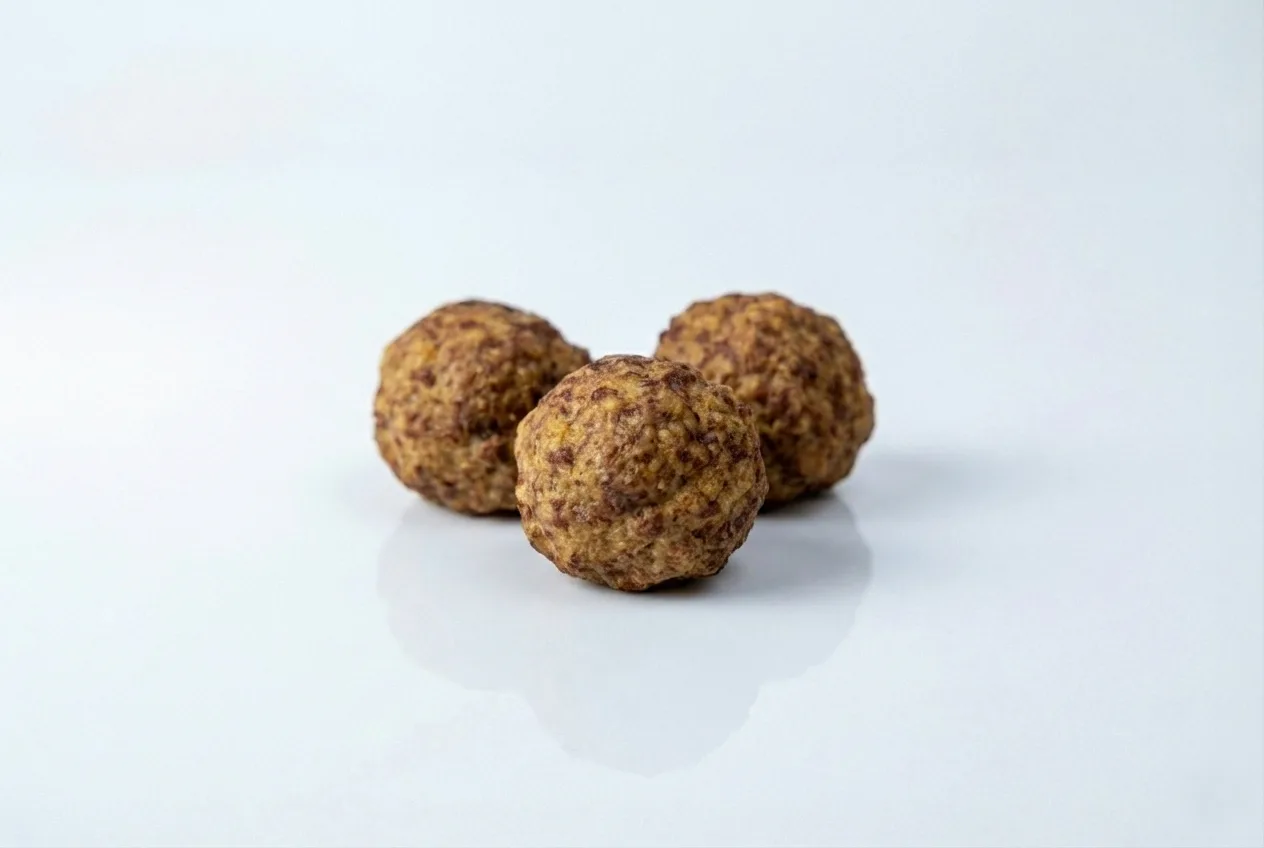
When can babies have meatballs?
Meatballs may be introduced as soon as baby is ready to start solids, which is generally around 6 months of age, as long as they are cooked thoroughly and prepared in an age-appropriate way. Note that meatballs may contain common allergens such as wheat or egg, among others.
From Italian polpette and Swedish köttbullar, to albóndigas in Mexico and Chinese lion’s head meatballs, and West African meat stews, meatballs have long been a practical way to combine ground meat with seasonings, grains, or vegetables. Some are served in creamy sauces or gravies, while others are complemented by serving with spicy chipotle or tart jam. Meatballs can be served on their own, over rice or pasta, in soups and stews, fried, and more.
How do you serve meatballs to babies?
Every baby develops on their own timeline, and the suggestions on how to cut or prepare particular foods are generalizations for a broad audience.
6 months old +:
At this age, babies can have meatballs that are thoroughly cooked, soft and mashable, and at least 2 inches (5 cm) in diameter. The bigger the meatball, the less likely that baby will pop the whole thing in their mouth. Cooking the meatballs in sauce or stew can help make them softer and easier for baby to manage than dry, crumbly ones.
If you have smaller or firmer meatballs, minimize choking risk by breaking the meatballs into tiny crumbles to mix into a soft, scoopable food, such as mashed vegetables, porridge, or yogurt.
9 months old +:
Serve bite-sized pieces of soft, thoroughly well-cooked meatball for baby to pick up with their developing pincer grasp, or continue to offer whole meatballs that are thoroughly cooked, soft and mashable, and large (at least 2 inches or 5 cm in diameter) for baby to practice taking bites from. The bigger the meatball, the less likely that baby will pop the whole thing in their mouth. Cooking the meatballs in sauce or stew can help make them softer and easier for baby to manage than dry, crumbly ones.
If you have smaller or firmer meatballs, minimize choking risk by breaking the meatballs into tiny crumbles to mix into a soft, scoopable food, such as mashed vegetables, porridge, or yogurt.
12 months old +:
Serve large, soft, well-cooked meatballs as desired: whole on their own, broken into pieces, or mixed into pasta dishes, soups, and stews. If you have smaller meatballs that are still soft and easily mashable, you can start offering these whole as long as the toddler is chewing their food well and spitting out food when it is too much.
24 months old +:
At this age, as long as the child is chewing their food thoroughly and not overstuffing their mouth, you can offer any kind of meatball as desired, including smaller or firmer meatballs. Serving these in a sauce can help soften these and make them easier for the child to manage.
Are meatballs a choking hazard for babies?
Yes. Depending on the type of meatball and how it was prepared, meatballs can be small, dense, and challenging to chew, which are qualities that pose an increased risk of choking. To reduce the risk, prepare and serve meatballs in an age-appropriate way as described in How to Serve. As always, make sure to create a safe eating environment and stay within reach of baby during meals.
Learn the signs of choking and more about choking first aid in our free guides, Infant Rescue and Toddler Rescue.
Do meatballs contain common allergens?
Yes, although it depends on the specific type. Meatballs often contain egg, dairy, and/or wheat, and may also contain fish, sesame, soy, or other allergens.
Prior to sharing meatballs with baby, it is important to introduce common food allergens on their own and rule them out as allergens before serving them together in a prepared food. This way, you’ll be able to identify which allergen is responsible if baby has a reaction. Then, when you are ready to offer meatballs, you will be confident that baby has already safely eaten any common food allergens in the food.
Are meatballs healthy for babies?
Yes. The exact nutritional profile of a meatball depends on what it’s made of, but generally, meatballs made from meat, poultry, or fish provide protein, iron, zinc, and B vitamins that support growth, brain development, and red blood cell formation. Some meatballs contain vegetables, which can offer fiber and other nutrients.
Meatballs and the foods they are served with can be high in sodium, but sharing meals, even if those meals contain some salt, can bring baby into their family food culture as soon as they are ready to start solids, which has other benefits. Family meals are opportunities for baby to explore a wide variety of food, practice eating food with different colors, flavors, and textures, and get comfortable with food that the rest of the family likes to eat.
Can babies eat store-bought meatballs?
Yes, as long as they are prepared in an age-appropriate way to reduce choking risk and any common allergens in the meatballs have been safely introduced first. Some store-bought meatballs are high in sodium, but it’s fine to share these with baby in moderation.
If the store-bought meatballs are small or firm, mash or finely chop them and mix into a soft, scoopable food like pasta, mashed potato, or soup.
How do you make meatballs that are soft for babies?
Adding ingredients like breadcrumbs soaked in milk, shredded vegetables, or egg to the ground meat mixture can make the finished meatballs stay softer and more mashable. You can also consider cooking or serving the meatballs in the family’s favorite sauce, soup, or stew, which helps to soften the meatballs.
When can babies have spaghetti and meatballs?
Babies can have spaghetti and meatballs as soon as they are developmentally ready for solid food and any common allergens in the meal have been safely introduced. For babies new to solid food, offer a whole meatball as long as it is large (bigger than baby’s mouth), thoroughly cooked, and soft and mashable. Spaghetti can be served in long strands or chopped short for baby to scoop with their hands. Serve the spaghetti and meatballs in red sauce or whatever sauce the family enjoys–sauce can make both the meatballs and the pasta easier for baby to manage in the mouth. Just note that acidic foods like tomato sauce can cause a harmless contact rash on the skin it touches, such as around the mouth and on the hands.
Start solids with confidence
- Guided Introduction to 100+ Foods
- Smart Tools to Simplify Mealtime
- Food Allergen 101
- 300+ Meal Ideas
- First Foods® Database

Start solids with confidence
- Guided Introduction to 100+ Foods
- Smart Tools to Simplify Mealtime
- Food Allergen 101
- 300+ Meal Ideas
- First Foods® Database
Expert Tips Delivered to Your Inbox
Sign up for weekly tips, recipes and more.