
Matcha
Drink
- Age Suggestion
- 4 years
- Iron-Rich
- No
- Common Allergen
- No
When can babies have matcha?
Wait until a child is at least 4 years of age (and ideally even older) to regularly serve matcha, due to its high caffeine content. While sharing an occasional sip or a taste of food made with matcha is generally not a cause for concern, caffeine can interfere with sleep, appetite, and nervous system regulation, and babies and toddlers are more susceptible to these side effects.
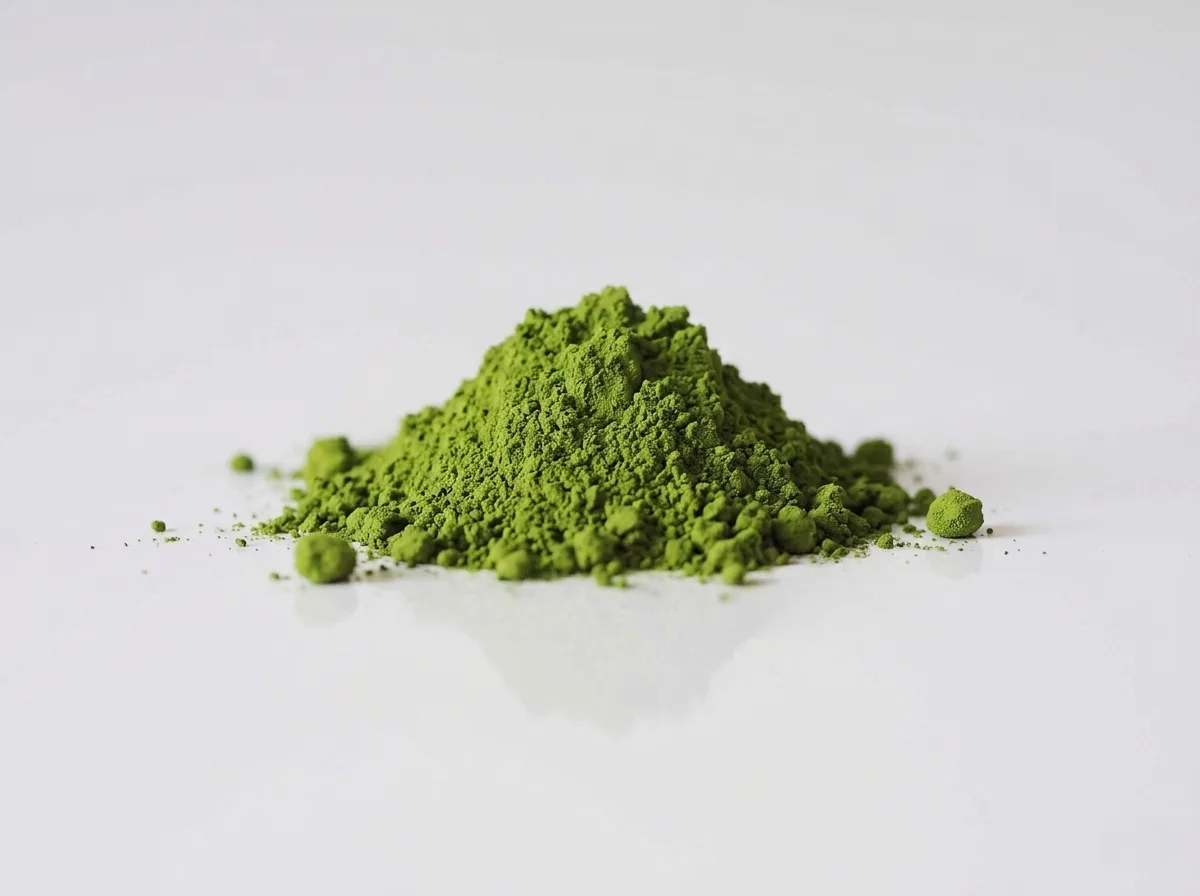
Matcha is a finely ground powder made from specially grown and processed green tea leaves. Originating in East Asia and central to traditional tea ceremonies, matcha is produced by shading the tea bushes before harvest to increase chlorophyll and amino acid levels. The leaves are then dried, de-stemmed, and ground into a vibrant green powder. Because consuming matcha involves ingesting the entire tea leaf rather than just steeping it in water, it provides a highly concentrated source of the plant's compounds.
How do you serve matcha to kids?
Every baby develops on their own timeline, and the suggestions on how to cut or prepare particular foods are generalizations for a broad audience.
6 months old +:
Avoid sharing matcha at this age due to high levels of caffeine, which should be avoided in the diets of babies and toddlers. While an occasional small sip or bite of age-appropriate solid food that contains matcha is generally okay, it is recommended to hold off on serving matcha in both food and drink until the child is older.
4 years old +:
At this age, you can offer small amounts of matcha, if desired–preferably decaffeinated and diluted matcha in an open cup. If you’re sharing some of your matcha with a child, opt for decaffeinated and unsweetened whenever possible, make sure it is no longer hot, and in general, aim to minimize the caffeine in a child’s diet.
Is matcha a choking hazard for babies?
No. Matcha as a brewed tea presents a low risk when safely prepared for a child’s age and developmental ability, though add-ins to tea can increase the risk, and matcha is an ingredient in high-risk foods like candies or mochi. To reduce the risk, serve matcha in an age-appropriate way as described in How to Serve. As always, make sure to create a safe eating environment and stay within reach of a child during meals.
Learn the signs of choking and more about choking first aid in our free guides, Infant Rescue and Toddler Rescue.
Is matcha a common allergen?
No. Matcha is made from green tea leaves, and reactions to tea leaves are rare, but have been reported.[1] [2] Research regarding tea allergy is in its infancy and it’s unclear if individuals with reactions to tea were allergic to the tea itself, or contaminants in the tea. Tea may cause reactions that are mistaken for allergies, like digestive upset, often in relation to the tea’s caffeine and tannin content.
Why can’t toddlers have matcha?
Matcha contains high levels of caffeine, which should be avoided in the diets of babies and toddlers. Babies and kids can be particularly sensitive to caffeine’s stimulant side effects, like reduced appetite, jitteriness, poor sleep, reflux, and more.[3] For these reasons, it is important to avoid caffeine for babies and to minimize caffeine intake for children.
How much caffeine is in matcha?
Matcha powder contains about 70 mg of caffeine per teaspoon of powder, however it can be prepared in a variety of ways that make the resulting matcha tea either lower or higher in caffeine.[4] A standard preparation of matcha uses 1 teaspoon matcha tea in 2-3 ounces water, a thinner (usucha in Japanese) uses half of a teaspoon in 3-4 ounces water, while a thicker and stronger version (koicha) uses 2 teaspoons of matcha tea powder per ounce of water. Lower caffeine preparations of matcha are ideal when offering matcha on occasion to children.
Reference Material
Shirai, T. et al. (2003) Food allergy to green tea. Journal of Allergy and Clinical Immunology, 112, 4: 805-806.
Sugiyama, K., Cho, T., Tatewaki, M., Onishi, S., Yokoyama, T., Yoshida, N., Fujimatsu, T., Hirata, H., Fukuda, T., & Fukushima, Y. (2015). Anaphylaxis due to caffeine. Asia Pacific allergy, 5(1), 55–56. DOI: 10.5415/apallergy.2015.5.1.55
Columbia University Irving Medical Center. (2022). Caffeine and kids.
Start solids with confidence
- Guided Introduction to 100+ Foods
- Smart Tools to Simplify Mealtime
- Food Allergen 101
- 300+ Meal Ideas
- First Foods® Database

Start solids with confidence
- Guided Introduction to 100+ Foods
- Smart Tools to Simplify Mealtime
- Food Allergen 101
- 300+ Meal Ideas
- First Foods® Database
Expert Tips Delivered to Your Inbox
Sign up for weekly tips, recipes and more.