
Manteca
- Age Suggestion
- 6 months
- Iron-Rich
- No
- Common Allergen
- No
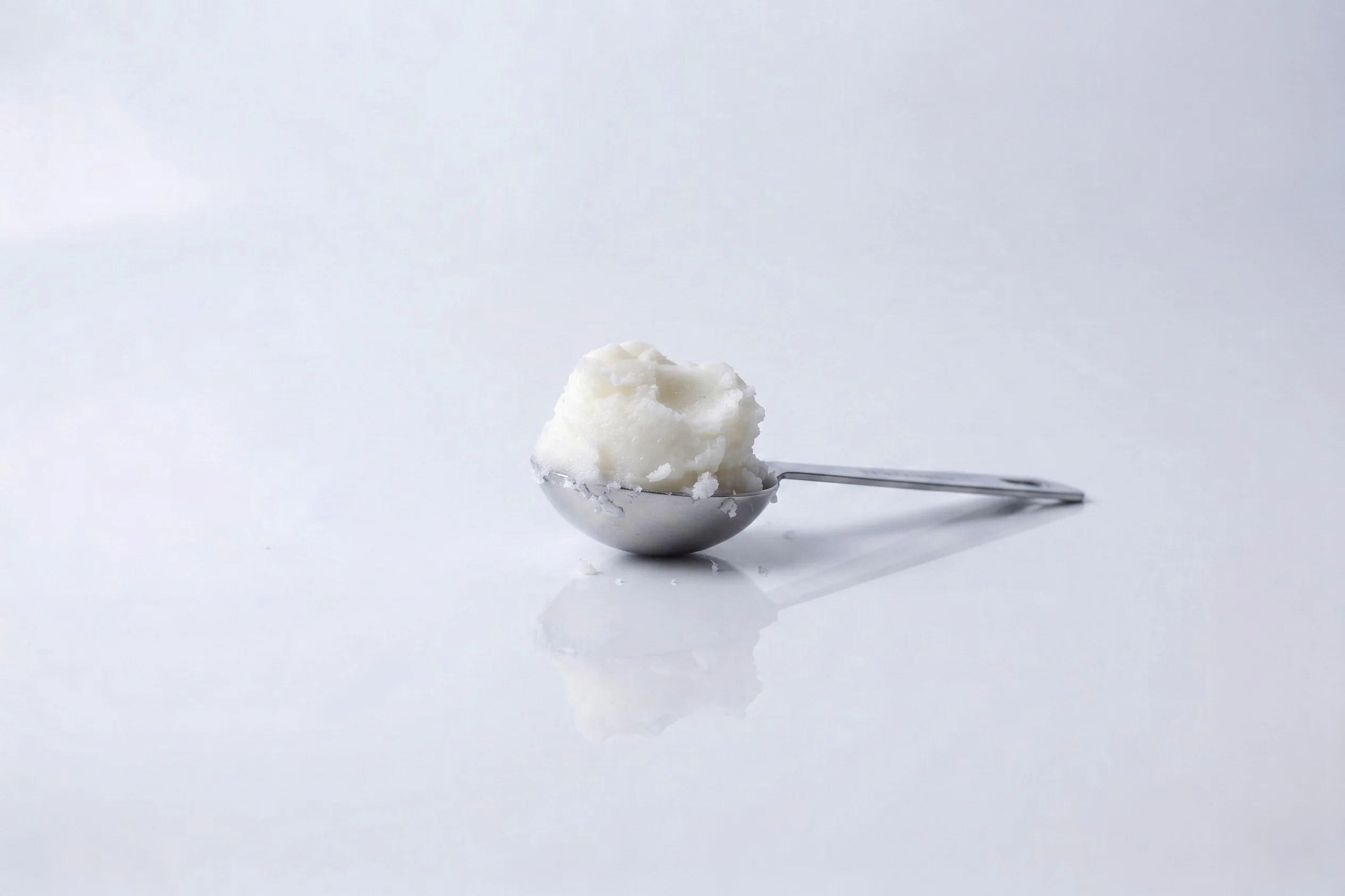
When can babies have manteca?
Manteca may be introduced as soon as baby is ready to start solids, which is generally around 6 months of age.
Manteca is the Spanish word for lard, or rendered pork fat and is one of the most widely used cooking fats in Latin American and Iberian cuisine. It is the fat that gives tamale dough its tender crumb, refried beans their silky richness, and carnitas their depth. Manteca has been fundamental to everyday cooking across Mexico, Central America, the Caribbean, Colombia, and Spain for centuries, and is also used extensively in Filipino, Chinese, and Central European cuisines under other names. When made from high-quality pork fat, it has a mild, clean flavor and a high smoke point that makes it versatile for frying, sautéing, and baking.
How do you serve manteca to babies?
Every baby develops on their own timeline, and the suggestions on how to cut or prepare particular foods are generalizations for a broad audience.
6 months old +:
Use manteca as a cooking fat to prepare baby's food or family meals to share with baby. A small amount used to cook vegetables, beans, or eggs adds fat and flavor. Foods traditionally made with manteca, like soft tamal filling, refried beans, or soft tortillas, are all fine to share at this age when served in age-appropriate ways. Regardless of the dish, make sure that the manteca is fully melted and there are no solid clumps remaining in baby’s meal before serving.
12 months old +:
Continue using manteca as desired as a cooking fat in shared family meals. Family foods cooked with manteca like refried beans, carnitas, tamales, sofrito-based dishes, and baked goods are all fine to share at this age in their normal family preparations.
Is manteca a choking hazard for babies?
No. Manteca is a cooking fat used to prepare other foods and melts into dishes during cooking, which means it presents a low choking risk, although a clump of unmelted manteca certainly could pose a risk. To reduce the risk, prepare and serve manteca in an age-appropriate way as described in How to Serve. As always, create a safe eating environment and stay within reach of baby during meals.
Learn the signs of choking and more about choking first aid in our free guides, Infant Rescue and Toddler Rescue.
Does manteca contain common allergens?
No. Manteca is rendered pork fat and pork allergy is rare, but has been reported. Manteca does not typically contain common allergens, but some store-bought manteca products may include added ingredients that are common allergens; check the ingredient list before using manteca to cook a meal that you plan to share with baby.
Is manteca healthy for babies?
Yes, as part of a varied diet. Babies need a diet with lots of fat, which is essential for brain development, the absorption of fat-soluble vitamins A, D, E, and K, and overall growth. Manteca is rich in both monounsaturated and saturated fats and its exact fat and nutrient profile can vary depending on the product.
Some commercial manteca is salted, but only a little is usually used to cook a whole family meal, so the amount of sodium baby is likely to consume from the meal is low. If you cook with manteca often and are concerned about sodium in baby’s diet, choose salt-free manteca. Learn more about salt and babies.
Is lard the same as manteca?
Yes. Manteca and lard are the same product: rendered pork fat. Manteca is the Spanish term, used across Latin America, Spain, and the Philippines. Lard is the English term used in North American and European contexts.
Is manteca the same as vegetable shortening?
No. Manteca is rendered animal fat from pork. Vegetable shortening is made from hydrogenated or partially hydrogenated vegetable oils and has a different nutritional profile. The two are sometimes confused because both are solid at room temperature and are used in similar baking and frying applications. Some commercial products labeled "manteca" in certain markets may actually be hydrogenated vegetable shortening rather than lard—check the ingredient list to confirm what you are buying.
Is lard healthier than butter or olive oil?
Not necessarily. Each fat has a different nutritional profile, and none is better or worse than the others for babies. Aim for variety across fats, just like variety across all foods. Lard can be higher in monounsaturated fat than butter, while butter can provide more vitamin A. Olive oil is highest in monounsaturated fat. All three are appropriate cooking fats for babies, and the best choice is whichever your family uses and enjoys.
Start solids with confidence
- Guided Introduction to 100+ Foods
- Smart Tools to Simplify Mealtime
- Food Allergen 101
- 300+ Meal Ideas
- First Foods® Database
Start solids with confidence
- Guided Introduction to 100+ Foods
- Smart Tools to Simplify Mealtime
- Food Allergen 101
- 300+ Meal Ideas
- First Foods® Database
Expert Tips Delivered to Your Inbox
Sign up for weekly tips, recipes and more.