
Mahi-Mahi (Dolphinfish)
Fish
- Age Suggestion
- 6 months
- Iron-Rich
- Yes
- Common Allergen
- Yes
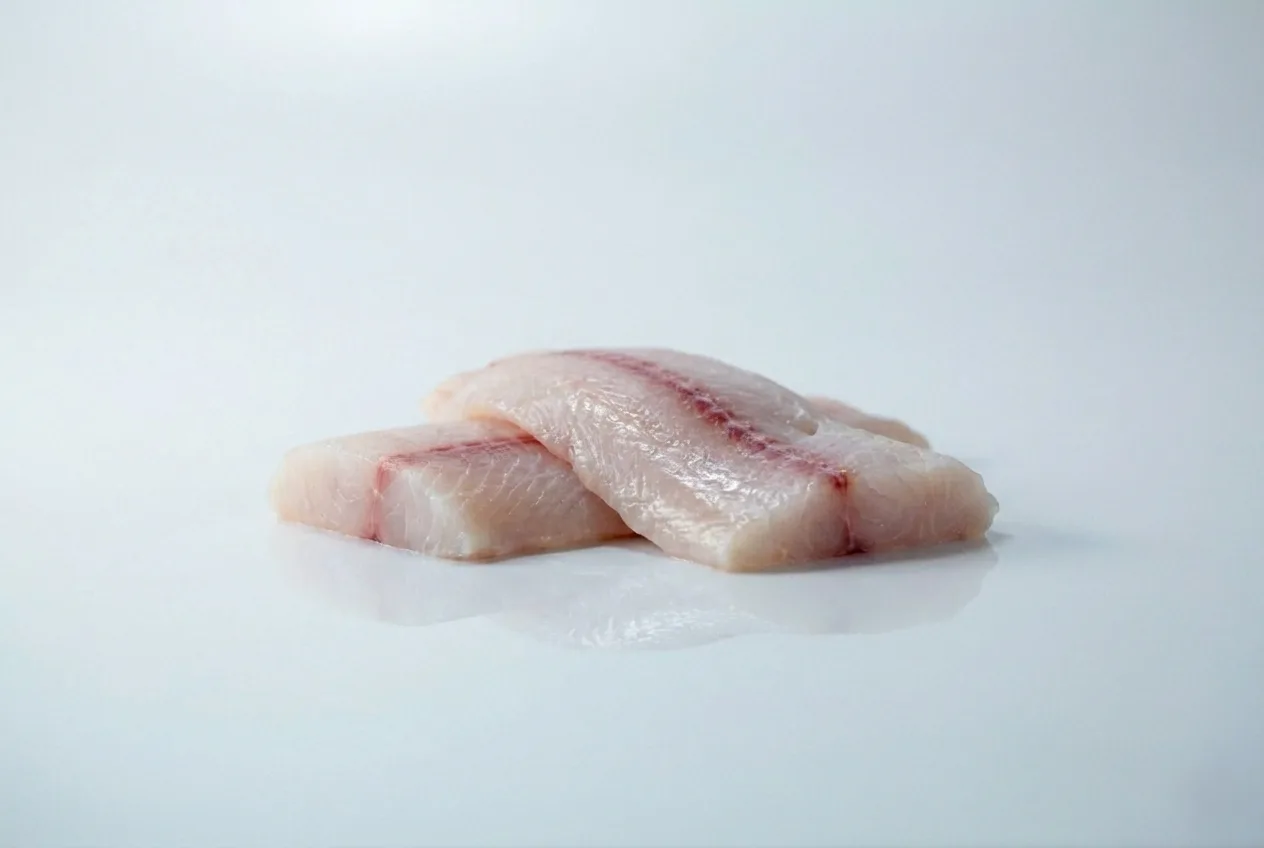
When can babies have mahi-mahi?
Mahi-mahi, when fully cooked, may be introduced as soon as baby is ready to start solids, which is generally around 6 months of age. Compared with other fish, mahi-mahi can have low to moderate amounts of mercury and is best served in moderation.[1] [2]
Mahi-mahi—also known as dolphinfish, dolphin, or dorado—is found in warm waters around the world and has long been part of coastal food traditions in the Caribbean, South America, East Africa, and the Pacific Islands. Valued for its firm texture and mild flavor, mahi-mahi shines in countless cuisines, and is enjoyed baked, grilled, served in tacos, or simmered in stews and curries.
How do you serve mahi-mahi to babies?
Every baby develops on their own timeline, and the suggestions on how to cut or prepare particular foods are generalizations for a broad audience.
6 months old +:
Offer strips of freshly-cooked mahi-mahi (all bones and skin removed) about the size of two adult fingers pressed together. Alternatively, flake the fish and mix it into stew, mashed potato, or another soft food, which may result in more food making its way into the belly as baby practices scooping. You can also offer fish cakes as long as they are soft and larger than baby’s mouth. Serve mahi-mahi in moderation due to its mercury levels.
9 months old +:
Offer bite-sized pieces of freshly-cooked mahi-mahi (all bones and skin removed), or continue to serve longer strips of cooked mahi-mahi. You can also offer fish cakes made from flaked mahi-mahi for baby to practice taking bites from. Serve mahi-mahi in moderation due to its mercury levels.
12 months old +:
Serve cooked, deboned mahi-mahi in longer strips, bite-sized pieces, cakes and patties, or flakes on their own or mixed into other foods like tacos or grain bowls. This is a great age to work on utensil practice with foods like mahi-mahi. Serve mahi-mahi in moderation due to its mercury levels.
Is mahi-mahi a choking hazard for babies?
No. Cooked mahi-mahi, with bones and skin removed, presents a low risk when safely prepared for a child’s age and developmental ability, though, in theory, an individual could choke on any food. Note that fish bones do pose a risk of getting stuck in the mouth, throat, or esophagus. To reduce this risk, take care to remove the bones from cooked fish, and prepare and serve mahi-mahi in an age-appropriate way as described in How to Serve. As always, create a safe eating environment and stay within reach of baby during meals.
Learn the signs of choking and more about choking first aid in our free guides, Infant Rescue and Toddler Rescue.
Is mahi-mahi a common allergen?
Yes. Fish like mahi-mahi are classified as a common allergen.[3] About 40% of people with fish allergies don’t experience their first allergic reaction until adulthood.[3] Unfortunately, most individuals who are allergic to fish do not outgrow the allergy.[4]
Around 50% of individuals with one fish allergy will react to another fish as well. This is because the major allergen in finned fish, beta-parvalbumin, is present in most fish, regardless of species. Due to the risks of cross-contamination or mislabeling, allergists often recommend that those allergic to one species of finned fish avoid all finned fish until meeting with an allergist to determine which fish might be safely introduced into the diet. This is an individualized recommendation, so be sure to confirm with your allergist before offering other finned fish if baby is allergic to mahi-mahi.
Some individuals with finned fish allergy may react from inhaling proteins that become airborne when cooking fish.[5] [6] If this is the case for baby, you may wish to avoid cooking fish in the household when baby is present.
Lastly, a note on scombroid poisoning, which is sometimes mistaken for a fish allergy. Scombroid poisoning is a type of food poisoning that occurs when someone eats fish that has been improperly refrigerated. This allows a large amount of histamine to build up in the fish. When consumed, this large load of histamine can cause symptoms that mimic those of an allergic reaction, causing some people to believe that they have developed a fish allergy, even if they are not allergic. Ensuring that fish has been stored at adequately cool temperatures can minimize the risk of such a reaction.[7]
If you suspect baby may be allergic to fish, consult an allergist before introducing mahi-mahi. As with all common allergens, introduce mahi-mahi in small amounts at first and watch closely as baby eats to see if any adverse reaction occurs. If all goes well, gradually increase the serving size over time. Once common food allergens are successfully introduced, it is recommended to keep them in the diet regularly (twice weekly, if possible). However, this doesn’t mean that each different fish species must be offered multiple times a week. Finned fish share the same major proteins, so it is perfectly acceptable to rotate finned fish varieties according to availability and preference.
Is mahi-mahi an FPIES trigger?
Yes. Fish like mahi-mahi are a known trigger of food protein-induced enterocolitis syndrome, also known as FPIES. FPIES is a delayed allergy to food protein which causes the sudden onset of repetitive vomiting and diarrhea to begin a few hours after ingestion. Left untreated, the reaction can result in significant dehydration. Unlike other food allergens, FPIES to finned fish may not present until later in life, and tends to be life-long.
Is mahi-mahi healthy for babies?
Yes, in moderation. Mahi-mahi is packed with valuable nutrients, but also can contain low to moderate amounts of mercury. Mahi-mahi is rich in protein, in addition to a number of micronutrients like zinc and vitamins B6 and B12. Plus, it also offers omega 3 fatty acids. Together, these nutrients provide the building blocks required for healthy growth and development, taste perception, immune function, metabolism, and red blood cells.
Mahi-mahi can contain small to moderate amounts of mercury, a heavy metal that is present in most fish and shellfish to varying degrees and, when consumed in excess, can negatively impact a child’s neurodevelopment.[8] [9] That said, babies who are allowed to self-feed generally do not eat excessive amounts of any one food as they build the skills to eat solids. To minimize baby’s exposure to mercury from fish, serve fish as part of a balanced diet and, when possible, choose fish that are low in mercury, like arctic char, salmon, sardines, or North Atlantic mackerel.
Is mahi-mahi the same as dolphin?
Mahi-mahi has long been known as dolphin or dolphinfish because some of its behaviors are similar to the aquatic mammal known as dolphin, but they are completely different animals.
Reference Material
Karimi, R. et al., 2012. A Quantitative Synthesis of Mercury in Commercial Seafood and Implications for Exposure in the United States, Environmental Health Perspectives, 120, 11, 1512-1519.
Food Allergy Research & Education. Fish Allergy.
Start solids with confidence
- Guided Introduction to 100+ Foods
- Smart Tools to Simplify Mealtime
- Food Allergen 101
- 300+ Meal Ideas
- First Foods® Database
Start solids with confidence
- Guided Introduction to 100+ Foods
- Smart Tools to Simplify Mealtime
- Food Allergen 101
- 300+ Meal Ideas
- First Foods® Database
Expert Tips Delivered to Your Inbox
Sign up for weekly tips, recipes and more.