


Access our First Foods® Database in the Solid Starts App.
Learn moreLingonberry
Fruit
Age Suggestion
6 months
Iron-Rich
No
Common Allergen
No
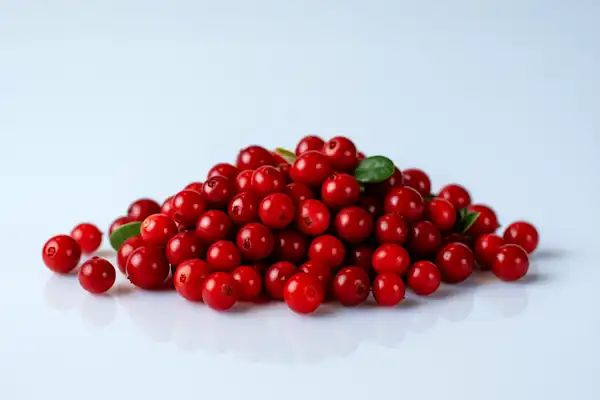
When can babies have lingonberries?
Lingonberries may be introduced as soon as baby is ready to start solids, which is generally around 6 months of age.
Lingonberries are small, tart red berries native to the forests of Scandinavia, Northern Europe, and parts of North America. Closely related to cranberries, they have been an important food source for Indigenous peoples and northern communities for centuries. In Nordic cuisines, lingonberries are prized for their bright acidity and are often made into jams, relishes, and sauces served with savory dishes like meatballs or game meats.
How do you serve lingonberries to babies?
Every baby develops on their own timeline, and the suggestions on how to cut or prepare particular foods are generalizations for a broad audience.
6 months old +:
Stir lingonberry sauce or jam into soft, scoopable foods for baby like porridge or yogurt, or spread some onto age-appropriate foods like toast strips or large, soft meatballs. It’s also fine to mash fresh lingonberries until there are no round berries remaining and stir some of the mash into baby’s food. Lingonberries are intensely tart, so consider mixing the mash with applesauce or another food to mellow the flavor a bit.
12 months old +:
At this age, toddlers can have lingonberries that are still whole, as well as occasional servings of lingonberry juice. Continue to serve mashed or cooked lingonberries as a sauce or spread on meats, grain dishes, and other family meals.
Videos
Are lingonberries a choking hazard for babies?
Yes. Lingonberries are small, round, and firm, which are qualities that pose an increased risk of choking. To reduce the risk, prepare and serve lingonberries in an age-appropriate way as described in the How to Serve section. As always, create a safe eating environment and stay within reach of baby during meals.
Learn the signs of choking and more about choking first aid in our free guides, Infant Rescue and Toddler Rescue.
Are lingonberries a common allergen?
No. Lingonberries are not a common food allergen, although reactions have been reported. People who are allergic to blueberries or huckleberries may also be allergic to lingonberries. Lingonberries are naturally high in salicylates, to which some people can be sensitive. Salicylate sensitivity can result in symptoms ranging from rashes and gastrointestinal symptoms to breathing difficulty, and can mimic the symptoms of an allergic reaction. Individuals with salicylate sensitivity should limit ingestion of foods high in salicylates.
While lingonberry allergy is uncommon, it is quite common to get a harmless contact rash on the face or diaper area from acidic foods like lingonberries. Applying a thin layer of barrier ointment—such as pure petroleum jelly or a plant-based oil/wax balm—to baby’s face and bottom prior to mealtime can help prevent contact rashes.
Are lingonberries healthy for babies?
Yes. Lingonberries are packed with antioxidants, along with folate, fiber, and vitamins C, E, and K. These nutrients work together to support the immune system, skin, blood health, and regular digestion. Lingonberries contain plant compounds like quercetin and anthocyanins that may offer anti-inflammatory, anti-cancer, and antioxidant properties as well.
Lingonberries are often sweetened in products like jam, sauce, and syrup, and delaying the introduction of sweetened foods can help establish a foundation for a varied diet and establish healthy habits, while also reducing the risk of dental cavities and supporting healthy growth patterns. That said, a taste here and there of age-appropriate sweetened lingonberry products is perfectly fine.
Avoid offering lingonberry supplements, powders, and extracts to children, as there is not enough evidence to support their safety for babies and toddlers.
When can babies have lingonberry sauce?
Babies can have lingonberry sauce as soon as they are developmentally ready for solids, generally around 6 months of age. Lingonberry sauce is often high in added sugar, and delaying the introduction of sweetened foods can help establish a foundation for a varied diet and establish healthy habits, while also reducing the risk of dental cavities and supporting healthy growth patterns. That said, a taste here and there is perfectly fine.
When can babies drink lingonberry juice?
Small amounts of lingonberry juice may be shared as a drink after 12 months of age. That said, it can be beneficial to wait for when a child is older to regularly share juice and other sugary drinks. Research suggests that regular intake of juice and other sweet drinks tends to increase the risk of dental cavities and take up space in the belly, which may decrease a child’s motivation to eat other foods at mealtime and may negatively affect the child’s growth over time. However, occasional servings of juice after one year of age generally isn’t a cause for concern. Learn more about serving juice to babies and toddlers.
Our Team
Written by

Dr. Sakina Bajowala
Pediatrician & pediatric allergist/immunologist

Kim Grenawitzke
Pediatric occupational therapist, feeding & swallowing specialist, international board-certified lactation consultant

Venus Kalami
Pediatric registered dietitian & nutritionist
Get 10% Off
Sign up to save and get weekly tips, recipes and more.




Copyright © 2026 • Solid Starts Inc