
Lamb Chop
Meat
- Age Suggestion
- 6 months
- Iron-Rich
- Yes
- Common Allergen
- No
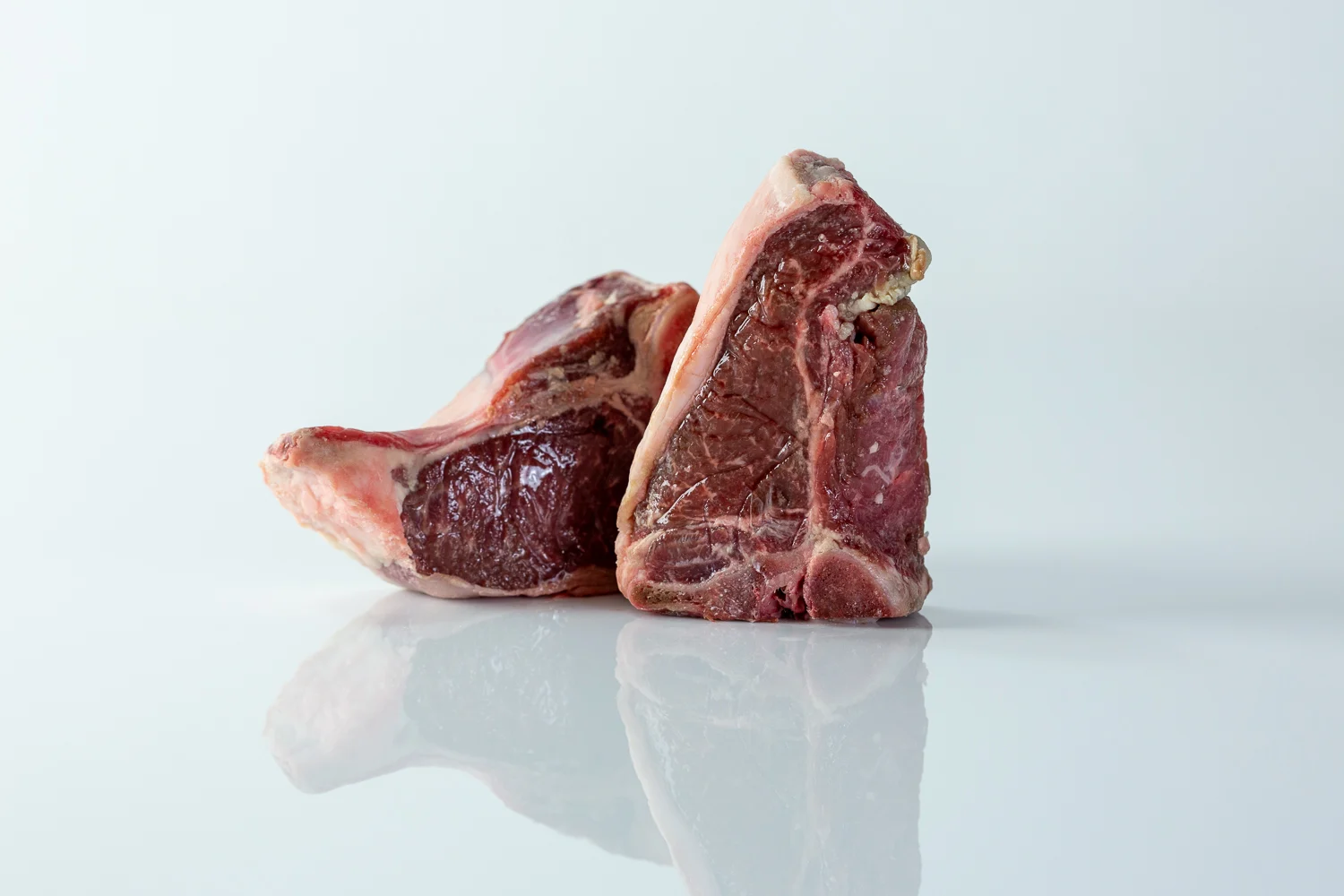
When can babies have lamb chop?
Lamb chops, when well-cooked, may be introduced as soon as baby is ready to start solids, which is generally around 6 months of age.
Lamb chops are typically cut from the rib, loin, or shoulder of the lamb and are prized for their tenderness and flavor. Lamb rib and loin chops are the most popular and generally the most tender: the former are cut from a rack of lamb, and the latter are cut to include some of the loin and filet. They are common in cuisines throughout Europe and the Mediterranean region, where they are often grilled, roasted, or braised with herbs and spices.
How to serve lamb chop to babies?
Every baby develops on their own timeline, and the suggestions on how to cut or prepare particular foods are generalizations for a broad audience.
6 months old +:
Offer a bone-in lamb rib chop with any loose chunks of meat and fat removed. Make sure that the bone is strong and unbreakable and does not crumble or splinter with pressure. At this age, baby will mostly just suck and gnaw on the chop, and they may even just explore the bone part of the chop without eating anything–this is totally fine. Munching on the bone is fantastic for oral-motor skills. If baby does take a big bite of the meat, give them time to work with the food before intervening. Babies have innate reflexes at this age to protect them from choking. Worried? Try serving just the bone as a food teether by removing all the meat and fat from the bone. You can also finely chop some of the meat from the chop and mix into a scoopable food like mashed potato or a sauce for baby to scoop with their hands.
9 months old +:
Serve small shreds of well-cooked lamb cut or torn from a lamb chop, either on their own or as part of a meal. Cooking the meat in a marinade or offering with a sauce for dipping can help keep the meat tender and easier to manage in the mouth. Alternatively, you can continue to serve a bone-in rib chop for baby to hold and munch on, just make sure any loose chunks of meat and fat have been removed to reduce choking risk. If a big piece of meat breaks off in baby’s mouth, coach the child to spit the food out by dramatically sticking out your own tongue and saying “ah” repeatedly.
12 months old +:
Serve shredded pieces or thin strips of lamb chop for the child to pick up with fingers or an age-appropriate utensil. Cooking the meat in a marinade or offering with a sauce for dipping can help keep the meat tender and easier to manage in the mouth. If a big piece of meat breaks off in the mouth, you can coach the child to spit the food out by dramatically sticking out your own tongue and saying “ah” repeatedly. Avoid cubes of meat, as these continue to pose a high risk of choking. Bite-sized shreds of lamb can also be great for practice with an age-appropriate utensil–just know that it is normal for toddlers to switch back and forth from trying out a utensil to eating with their hands. If a big piece of meat breaks off in the mouth, you can coach the child to spit the food out by dramatically sticking out your own tongue and saying “ah” repeatedly.
18 months old +:
Serve larger strips of lamb, either on or off the bone, that the child can practice taking bites from to build their tearing skills. Alternatively, continue to serve shredded pieces or thin strips of lamb chop, on their own or as part of a mixed dish.
Is lamb chop a choking hazard for babies?
Yes. Lamb can be firm and challenging to chew, which are qualities that increase the risk of choking. To reduce the risk, refrain from cutting lamb into chunks or cubes and prepare and serve it in an age-appropriate way as described in the How to Serve section. Also, be sure not to overcook lamb, as this causes it to be dry and more challenging to chew and move backwards to swallow. As always, create a safe eating environment and stay within reach of baby during meals.
Learn the signs of choking and more about choking first aid in our free guides, Infant Rescue and Toddler Rescue.
Is lamb chop a common allergen?
No. Lamb is not a common food allergen, although lamb and mutton allergy have been reported.[1] Cooking the meat decreases the risk of developing an allergic reaction to lamb.[2][3] In addition, certain tick bites (mainly the Lone Star tick in the continental United States, but other ticks in different parts of the world), are associated with the development of an allergy to galactose-alpha-1, 3-galactose (“alpha gal”), a sugar which is present in all non-primate mammalian meat. This results in a delayed allergic reaction 3-8 hours after red meat, such as mutton, is consumed. Some individuals with alpha gal allergy also react to small amounts of the sugar present in dairy products, gelatin, or organ tissues (such as liver) from mammals.
Some individuals with an allergy to lamb will also exhibit contact sensitivity to wool or lanolin (a wool alcohol), but most individuals with wool or lanolin sensitivity can consume lamb without experiencing any reaction.
Is lamb chop healthy for babies?
Yes. Lamb is rich in protein and fat, in addition to iron, choline, selenium, zinc, and vitamins B6 and B12. Together, these nutrients support growth, brain development, energy to play and explore, healthy red blood cells, taste perception, immune health, hormone function, metabolic processes, and more. Babies need increasing amounts of iron starting at the 6-month mark, when their reserves become depleted, and lamb offers a great source of dietary iron at this stage of baby’s life.
Can babies have lamb cooked medium or rare?
No. Lamb should be cooked until well-done for babies to reduce the risk of foodborne illness.
Reference Material
American Academy of Allergy, Asthma & Immunology. Alpha-gal defined.
Restani, P; Fiocchi, A; Restelli, AR; Velona, T; Beretta, B; Giovannini, M; Galli, CL. Effect of technological treatment on digestability and allergenicity of meat-based baby foods. J Am Coll Nutr; 1997; 16: 376-382.
Fiocchi, A; Restani, P; Riva, E; Restelli, AR; Biasucci, G; Galli, CL; Giovannini, M. Meat allergy: II – Effects of food processing and enzymatic digestion on the allergenicity of bovine and ovine meats. J Am Coll Nutr; 1995; 14: 245-250.
Start solids with confidence
- Guided Introduction to 100+ Foods
- Smart Tools to Simplify Mealtime
- Food Allergen 101
- 300+ Meal Ideas
- First Foods® Database
Start solids with confidence
- Guided Introduction to 100+ Foods
- Smart Tools to Simplify Mealtime
- Food Allergen 101
- 300+ Meal Ideas
- First Foods® Database
Expert Tips Delivered to Your Inbox
Sign up for weekly tips, recipes and more.