
Jam + Jelly
Prepared
- Age Suggestion
- 6 months
- Iron-Rich
- No
- Common Allergen
- No
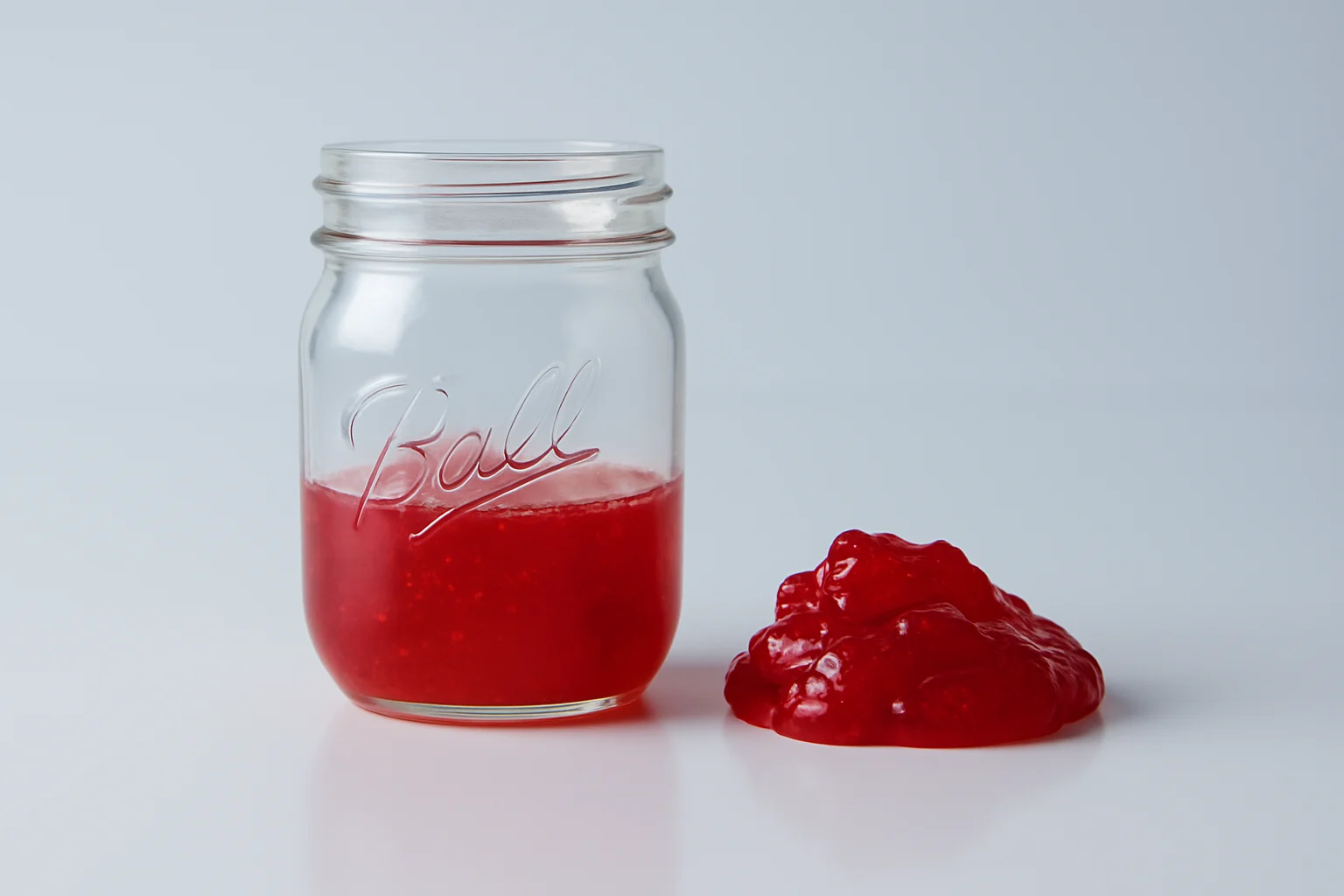
When can babies have jam or jelly?
Jams and jellies may be introduced as soon as baby is ready to start solids, but it can be beneficial to wait until the child is older to serve them regularly. While an occasional taste is fine, regularly consuming excessive amounts of food with added sugar, like most jams and jellies, can increase the risk of cavities as baby’s teeth erupt and decrease the child’s motivation to try other food.[1] [2] [3]
Jam and jelly are both fruit-based preserves made by cooking fruit with sugar (and sometimes pectin) to create a sweet spread. While they share similar ingredients, jam typically contains pieces of fruit or pulp, while jelly is made from fruit juice for a clearer, smoother texture. Around the world, these spreads have long been a way to preserve fruit from seasonal harvests, from European berry jams to tropical guava and mango jellies in South America and Asia.
How do you serve jam and jelly to babies?
Every baby develops on their own timeline, and the suggestions on how to cut or prepare particular foods are generalizations for a broad audience.
6 months old +:
Offer jam or jelly spread in a thin layer on age-appropriate foods like a strip of toast or pancake. Alternatively, mix a small amount into yogurt, oatmeal, or other scoopable foods. If you have jam with large chunks of fruit, mash with the back of a fork until no large pieces remain before serving. Due to their high levels of added sugar, offer jams and jellies in moderation as part of a varied diet, and wait until a child is older to serve them regularly. You can also make a jam with no added sugar using mashed fruit and thickened with chia seeds at home using no added sweeteners.
12 months old +:
At this age, if the child has had practice managing foods with mixed textures and chewing food well, they can likely handle jams with chunks of fruit left intact. Spread jams and jellies on foods like toast strips, mix into sauces for meatballs, or stir into scoopable foods like oatmeal and yogurt. Due to their high levels of added sugar, offer jams and jellies in moderation as part of a varied diet, and wait until a child is older to serve them regularly. You can also make a jam with no added sugar using mashed fruit and thickened with chia seeds at home using no added sweeteners.
18 months old +:
Offer peanut butter and jelly sandwiches as desired. Toddlers often like to take apart a sandwich to explore what’s inside and eat the different components separately, but around 18 months of age, more children may be able to and interested in holding a sandwich together to take bites from. Continue to serve jams and jellies spread onto other foods, mixed into porridges and yogurt, incorporated into sauces, or however the family enjoys them.
Are jams and jellies a choking hazard for babies?
Not typically, although jams with large pieces of fruit can pose an elevated risk. To reduce the risk, prepare and serve jam and jelly in an age-appropriate way as described in the How to Serve section. As always, create a safe eating environment and stay within reach of baby during meals.
Learn the signs of choking and more about choking first aid in our free guides, Infant Rescue and Toddler Rescue.
Do jams and jellies contain common allergens?
Not usually. While jams and jellies can be made from a variety of ingredients, they do not typically contain common allergens. Read the label carefully before serving. Prior to sharing jam or jelly that does contain common allergens with baby, it is important to introduce common food allergens on their own and rule them out as allergens before serving them together in a prepared food with multiple ingredients. This way, you’ll be able to identify which allergen is responsible if baby has a reaction. Then, when you are ready to offer jam or jelly, you will be confident that they have already safely eaten any common food allergens in the food.
What are the healthiest jams and jellies for babies?
Look for options that are lower in added sugar and consider serving jams and jellies only on occasion. Jams or jellies are typically quite high in sugar, as the sugar helps the pectin set and create their distinct texture, but lower-sugar options can include products made with fruit juice instead of sugar or jam-like spreads made with fresh or frozen fruit and chia seeds. That said, even regular jams can offer a bit of fiber, as they are traditionally made from the whole fruit, and occasional servings of regular jams and jellies are perfectly fine as part of a varied diet.
Consider avoiding jams and jellies made with artificial sweeteners, as their impact on baby’s overall health is not yet well understood.
Is jam better than jelly for babies?
Choose whichever you and your family enjoy and have access to. Jam and jelly are nutritionally similar. Jam, which includes pieces of fruit, may contain slightly more fiber and micronutrients than jelly, but both should be offered sparingly due to their high sugar content.
How to make jam for babies
Babies can have jam that has been traditionally made with sugar and pectin as soon as they are developmentally ready for solids, although it’s important to follow proper canning techniques to prevent the growth of harmful bacteria when making jam at home. You can also make a simple chia jam to share with baby by mashing fruit with chia seeds and letting the mixture sit in the refrigerator for a few hours until it has thickened. Tap here for our chia jam recipe.
When can babies eat peanut butter and jelly sandwiches?
Babies can have the parts of a peanut butter and jelly sandwich (toast strips thinly spread with smooth peanut butter or with jelly) as soon as they are developmentally ready to start solids. Wait to serve the whole sandwich until around 18 months of age. Babies and toddlers often like to take apart a sandwich to explore what’s inside and eat the different components separately, but around 18 months of age, more children may be able to and interested in holding a sandwich together to take bites from.
Reference Material
Fidler Mis, N., Braegger, C., Bronsky, J., Campoy, C., Domellöf, et al. (2017). Sugar in Infants, Children and Adolescents: A Position Paper of the European Society for Paediatric Gastroenterology, Hepatology and Nutrition Committee on Nutrition. Journal of pediatric gastroenterology and nutrition, 65(6), 681–696. DOI:10.1097/MPG.0000000000001733.
World Health Organization (WHO). (2023). WHO Guideline for complementary feeding of infants and young children 6-23 months of age.
Chi, D. L., & Scott, J. M. (2019). Added Sugar and Dental Caries in Children: A Scientific Update and Future Steps. Dental clinics of North America, 63(1), 17–33. DOI: 10.1016/j.cden.2018.08.003. Retrieved May 13, 2021
Start solids with confidence
- Guided Introduction to 100+ Foods
- Smart Tools to Simplify Mealtime
- Food Allergen 101
- 300+ Meal Ideas
- First Foods® Database
Start solids with confidence
- Guided Introduction to 100+ Foods
- Smart Tools to Simplify Mealtime
- Food Allergen 101
- 300+ Meal Ideas
- First Foods® Database
Expert Tips Delivered to Your Inbox
Sign up for weekly tips, recipes and more.