
Hummus
Prepared
- Age Suggestion
- 6 months
- Iron-Rich
- Yes
- Common Allergen
- Yes
When can babies have hummus?
Hummus may be introduced as soon as baby is ready to start solids, which is generally around 6 months of age. Note that hummus typically contains sesame, a common allergen.
Hummus is a traditional dish with roots in the Eastern Mediterranean and Southwest Asia, where it has been prepared for centuries using cooked chickpeas blended with tahini, olive oil, lemon juice, and garlic. Today, hummus is enjoyed globally and appears in many regional variations, from classic hummus bi tahini to versions flavored with roasted vegetables, herbs, or spices.
How do you serve hummus to babies?
Every baby develops on their own timeline, and the suggestions on how to cut or prepare particular foods are generalizations for a broad audience.
6 months old +:
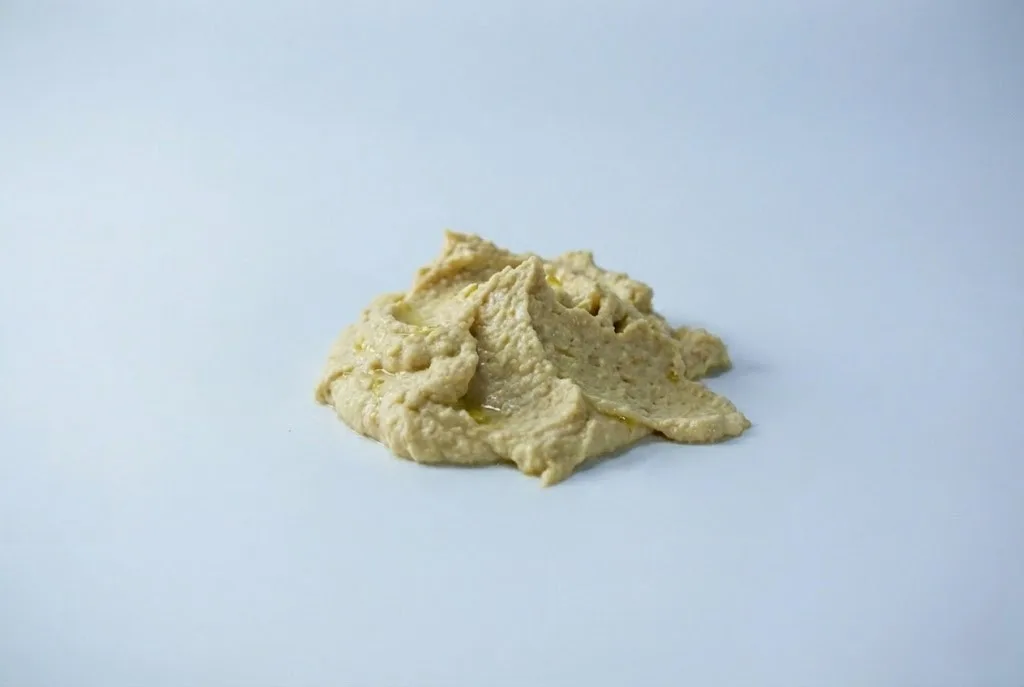
Serve hummus on its own in a bowl for baby to scoop with their hands, or spread thinly on other age-appropriate foods, like a strip of lightly toasted pita or a food teether. Both store-bought and homemade hummus are fine at this age–just make sure any common allergens in the hummus, such as sesame, have been safely introduced before serving. Both plain and flavored hummus are fine for babies, and It’s ok for the hummus to be smooth or to have more texture, whatever the rest of the family enjoys.
12 months old +:
Serve hummus as desired, on its own for scooping, spread onto other foods, or as a dip. At this age, toddlers are often better able to dip their own food into spreads like hummus, but if they seem uncertain, you can model by dipping your own food into the hummus and taking a bite yourself. Continue to explore different flavors of hummus and products with different textures, if you'd like.
Is hummus a choking hazard for babies?
No. Hummus presents a low risk when safely prepared for a child’s age and developmental ability, though, in theory, an individual could choke on any food. To reduce the risk, prepare and serve hummus in an age-appropriate way as described in How to Serve. As always, make sure to create a safe eating environment and stay within reach of baby during meals.
Learn the signs of choking and more about choking first aid in our free guides, Infant Rescue and Toddler Rescue.
Does hummus contain common allergens?
Yes. Hummus commonly contains sesame, a common food allergen, in the form of sesame seed paste, also known as tahini. While not considered a common allergen in the United States, chickpeas are a common allergen in India and Spain.[1] [2]Reactions can occasionally be severe and in some cases have been reported to be triggered by exercise.[3]
Depending on the specific product or recipe, hummus may also contain other common allergens, such as tree nuts. Read the ingredients list before serving hummus and make sure any common allergens in the food have been safely introduced before sharing.
Is hummus healthy for babies?
Yes. Depending on the specific type, hummus may contain chickpeas, tahini, olive oil, and seasonings, ingredients that provide plant-based protein, iron, fiber, fats, as well as important minerals like folate and zinc. Together, these nutrients support baby’s growth, energy needs, digestion, and more.
Some store-bought hummus can be high in sodium, but sharing meals, even if those meals contain some salt, can bring baby into their family food culture as soon as they are ready to start solids, which has other benefits. Family meals are opportunities for baby to explore a wide variety of food, practice eating food with different colors, flavors, and textures, and get comfortable with food that you like to eat. If you’d like to reduce baby’s sodium intake, opt for low-sodium products or making hummus at home.
Can babies have store-bought hummus?
Yes. While some store-bought hummus has moderate to high levels of sodium, sharing with baby on occasion is not a cause for concern. If you’d like to reduce baby’s sodium intake when sharing hummus, opt for low-sodium varieties or make your own hummus at home, when possible. Make sure to check ingredient labels for common allergens before serving store-bought hummus.
Can hummus cause gas or constipation?
It can, but this is not a cause for concern. Chickpeas are high in fiber, which can cause temporary gas as baby’s digestive system adjusts. This is normal and usually improves with small, regular servings of high-fiber foods.
Reference Material
Martínez San Ireneo, M., Ibáñez, MD., Fernández-Caldas, E., Carnés, J. (2008). In vitro and in vivo cross-reactivity studies of legume allergy in a Mediterranean population. International Archives of Allergy and Immunology, 147(3), 222‐230. doi:10.1159/000142045.
Patil, SP., Niphadkar, PV., Bapat, MM. (2001). Chickpea: a major food allergen in the Indian subcontinent and its clinical and immunochemical correlation. Annals of Allergy, Asthma & Immunology, 87(2), 140‐145. doi:10.1016/S1081-1206(10)62209-0
Start solids with confidence
- Guided Introduction to 100+ Foods
- Smart Tools to Simplify Mealtime
- Food Allergen 101
- 300+ Meal Ideas
- First Foods® Database
Start solids with confidence
- Guided Introduction to 100+ Foods
- Smart Tools to Simplify Mealtime
- Food Allergen 101
- 300+ Meal Ideas
- First Foods® Database
Expert Tips Delivered to Your Inbox
Sign up for weekly tips, recipes and more.