
Halloumi
Dairy
- Age Suggestion
- 6 months
- Iron-Rich
- No
- Common Allergen
- Yes
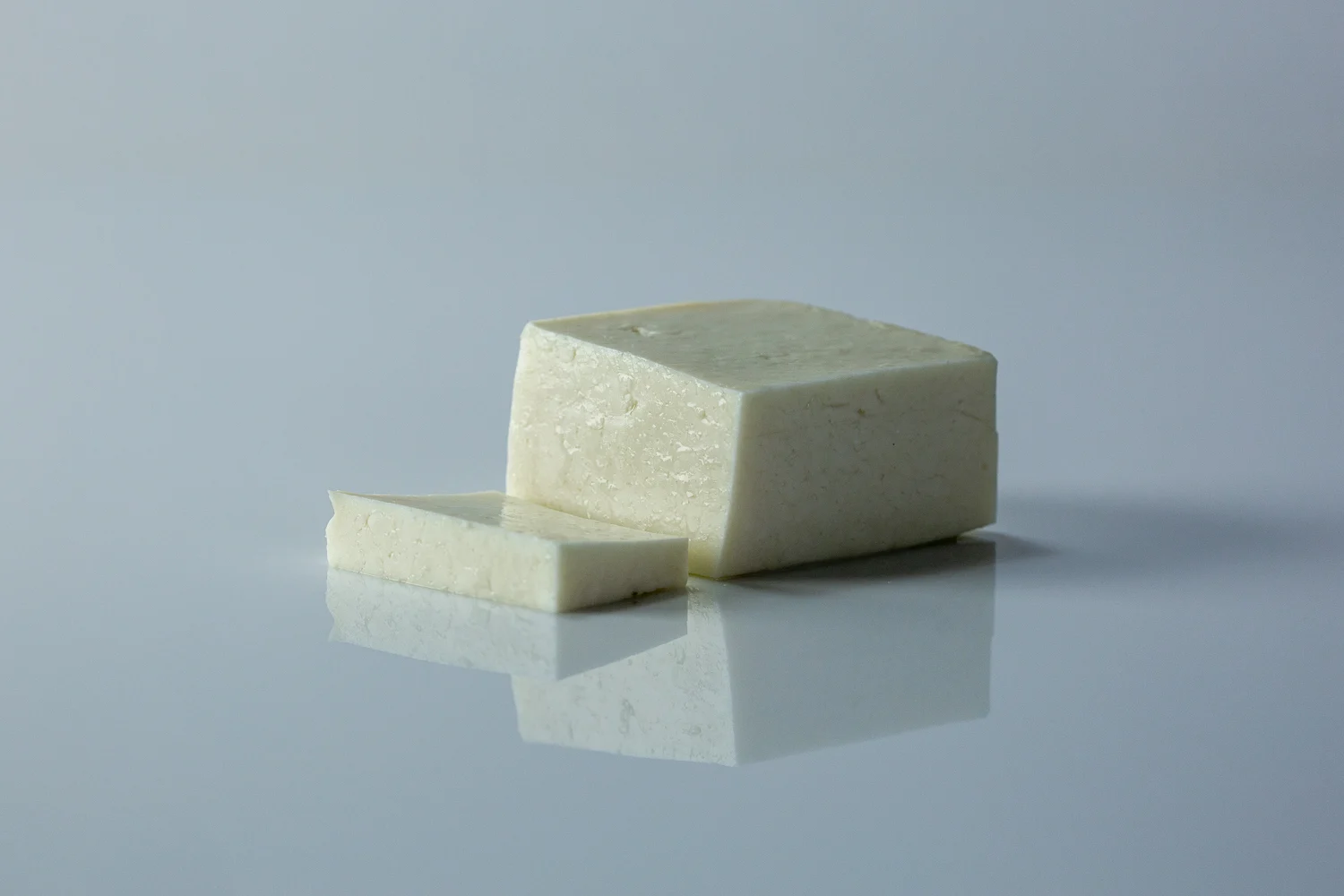
When can babies have halloumi?
Halloumi may be introduced as soon as baby is ready to start solids, which is generally around 6 months of age. While halloumi can be high in sodium, a taste here and there as part of a varied diet is not a cause for concern. Choose pasteurized halloumi to minimize the risk of foodborne illness.[1] [2]
Learn more about choosing cheese to share with babies.
How do you serve halloumi to babies?
Every baby develops on their own timeline, and the suggestions on how to cut or prepare particular foods are generalizations for a broad audience.
6 months old +:
Feel free to share tastes of halloumi here and there as part of a varied diet. Offer a long, flat slice of halloumi, either straight from the package or cooked. Cooking halloumi before serving can make the outside a bit crispier and the inside a bit softer, which can make it easier for babies to manage in the mouth. You can also grate halloumi and mix into scoopable foods. Avoid halloumi cut into small cube shapes, as they present a higher choking risk. Choose pasteurized halloumi to reduce the risk of foodborne illness.
9 months old +:
Serve flat, bite-sized pieces of halloumi for baby to practice picking up with their developing pincer grasp, or continue to offer long, flat slices. Serve halloumi grilled or uncooked, as desired. Cooking halloumi before serving can make the outside a bit crispier and the inside a bit softer, which can make it easier for babies to manage in the mouth. You can also grate halloumi and mix into scoopable foods. Avoid halloumi cut into small cube shapes, as they present a higher choking risk. Choose pasteurized halloumi to reduce the risk of foodborne illness.
12 months old +:
Serve flat, bite-sized pieces of halloumi for baby to practice picking up with their developing pincer grasp, or continue to offer long, flat slices. Serve halloumi grilled or uncooked, as desired. You can also grate halloumi and mix into scoopable foods. Avoid halloumi cut into small cube shapes, as they present a higher choking risk. Choose pasteurized halloumi to reduce the risk of foodborne illness.
Is halloumi a choking hazard for babies?
Yes. Halloumi is firm, springy, and challenging to chew, qualities that can increase the risk of choking. To reduce the risk, prepare and serve halloumi in an age-appropriate way as described in the How to Serve section. As always, create a safe eating environment and stay within reach of baby during meals.
Learn the signs of choking and more about choking first aid in our free guides, Infant Rescue and Toddler Rescue.
Is halloumi a common allergen?
Yes, halloumi is commonly made from cow’s milk, and cow’s milk is classified as a common allergen.[3] It is an especially common food allergen in young children, accounting for about one-fifth of all childhood food allergies.[4] Keep in mind that dairy products from other ruminants such as sheep, goat, and buffalo may provoke similar allergic reactions to cow’s milk dairy products.[5] That said, there’s good news: milk allergy often disappears with time. Research shows that the majority of children with cow's milk allergy will outgrow it by age 6, and many babies with milder symptoms of milk protein allergy (which can show up as painless blood in stool) are able to successfully reintroduce cow's milk as early as their first birthday, with the guidance of their appropriate pediatric health professionals.[6]
Milk is a common cause of food protein-induced enterocolitis syndrome, also known as FPIES. FPIES is a delayed allergy to food protein which causes the sudden onset of repetitive vomiting and diarrhea to begin a few hours after ingestion. This is termed acute FPIES. Left untreated, the reaction can result in significant dehydration. When milk is in the diet regularly, FPIES can present as reflux, weight loss, and failure to thrive--this is termed chronic FPIES. Symptoms generally improve with elimination of milk from the baby’s diet. Thankfully, like other forms of milk allergy, FPIES which presents early in life is generally outgrown by the time a child has reached 3-5 years of age.[7]
Lactose intolerance, which is when the body has a hard time processing lactose, the sugar that is naturally present in milk, can sometimes be mistaken for an allergy, as it can result in bloating, gas, diarrhea, nausea, and other discomfort. Be sure to connect with an appropriate pediatric health care professional for any questions about lactose intolerance, and know there are many lactose-free dairy foods available.
If you suspect baby may be allergic to milk, consult an allergist before introducing dairy products like cheese. Based on a baby’s risk factors and history, your allergist may recommend allergy testing, or may instead advise dairy introduction under medical supervision in the office. If the risk is low, you may be advised to go ahead and introduce cheese in the home setting. As with all common allergens, start by serving a small quantity on its own for the first few servings, and if there is no adverse reaction, gradually increase the quantity over future meals.
What are the benefits of sharing halloumi with baby?
Halloumi cheese is packed with fats and protein, as well as lots of calcium and just a bit of potassium and vitamin A. These nutrients help support healthy bones, electrolyte balance, and immunity. Choose pasteurized halloumi to minimize the risk of foodborne illness.[2] [1]
While halloumi is typically high in sodium, the amount of sodium that babies eat tends to be low as they learn the skills to feed themselves, and some sodium is important for supporting baby’s electrolyte balance, hydration, and movement. While many health organizations recommend holding or reducing salt in food shared with baby, recent reviews of literature suggest that this may not be necessary.[8] Furthermore, sharing family meals, even if they contain salt, has its benefits: baby has opportunities to explore a wider variety of food, share their family food culture, and practice eating a variety of textures.[9] [10] [11] [8]

Reference Material
Committee on Infectious Diseases; Committee on Nutrition; American Academy of Pediatrics. (2014). Consumption of raw or unpasteurized milk and milk products by pregnant women and children. Pediatrics, 133(1), 175-179
U. S. Food & Drug Administration. Dangers of raw milk.
FAO and WHO. (2022). Risk Assessment of Food Allergens. Part 1 – Review and validation of Codex. Alimentarius priority allergen list through risk assessment. Meeting Report. Food Safety and Quality. Series No. 14.
Start solids with confidence
- Guided Introduction to 100+ Foods
- Smart Tools to Simplify Mealtime
- Food Allergen 101
- 300+ Meal Ideas
- First Foods® Database
Start solids with confidence
- Guided Introduction to 100+ Foods
- Smart Tools to Simplify Mealtime
- Food Allergen 101
- 300+ Meal Ideas
- First Foods® Database
Expert Tips Delivered to Your Inbox
Sign up for weekly tips, recipes and more.