
Goat Milk
Dairy
- Age Suggestion
- 12 months
- Iron-Rich
- No
- Common Allergen
- Yes
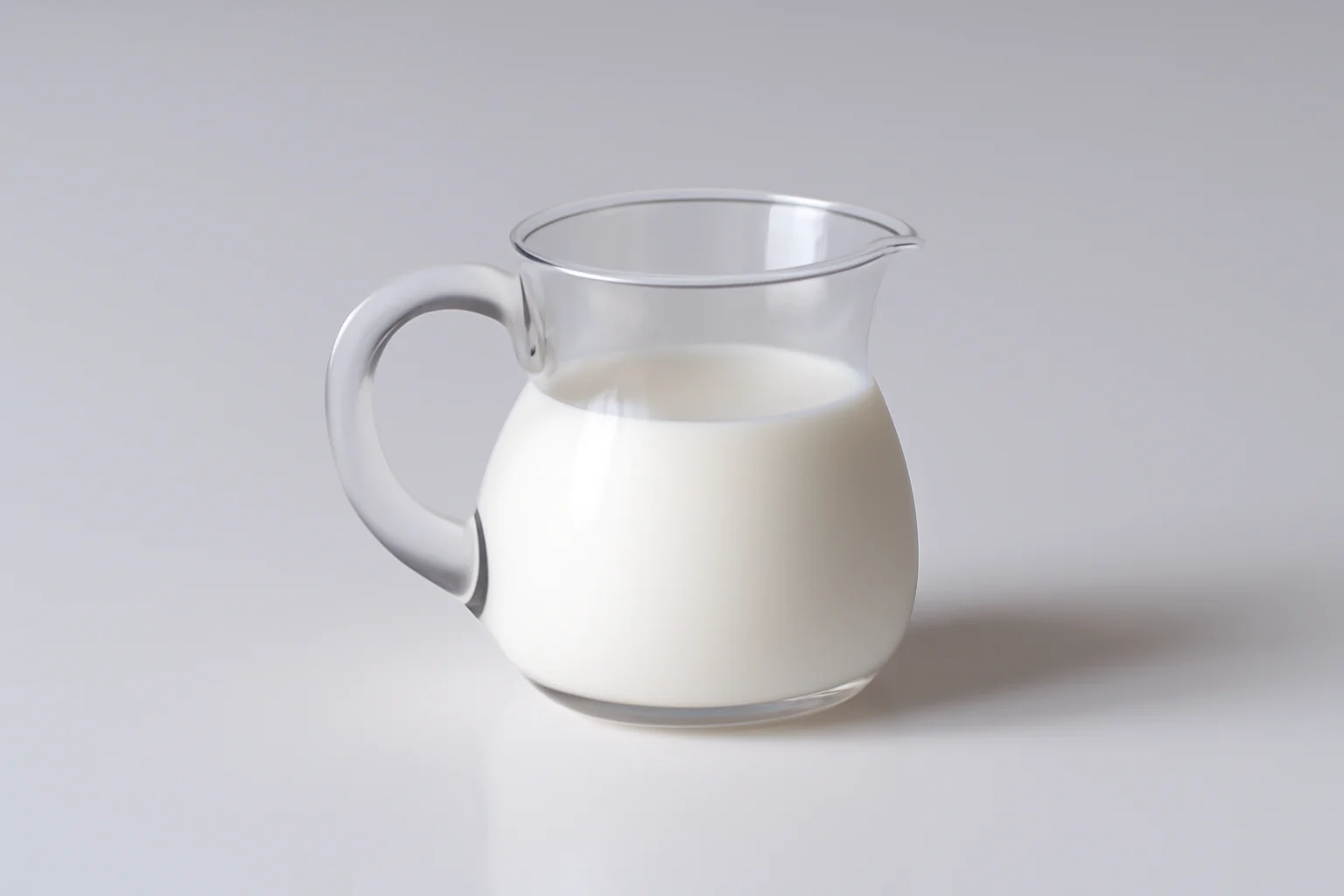
When can babies have goat milk?
Goat milk may be introduced as an ingredient in solid foods once baby is ready to start solids, which is generally around 6 months of age. Like cow’s milk, goat milk should not be offered as a drink until after the first birthday, as it does not provide the complete nutrition infants need and can displace breast milk or formula. Opt for pasteurized goat milk to reduce the risk of foodborne illness.
Goats have been domesticated for thousands of years and thrive in steep, mountainous regions across the globe. Like cows, different breeds of goat have been developed over the years with different strengths and traits, some bred specifically for meat and others for their milk production. Goat milk has long been used in traditional diets across parts of Africa, Asia, and Europe, especially in regions where goat herding is common.
How do you serve goat milk to babies?
Every baby develops on their own timeline, and the suggestions on how to cut or prepare particular foods are generalizations for a broad audience.
6 months old +:
Use a small amount of goat milk as an ingredient in cooked foods like porridges, mashed potatoes, rice, or baked goods. You can also mix goat milk into purées or sauces. Avoid serving as a drink at this age.
12 months old +:
Goat milk may be offered as a drink after baby’s first birthday. Start with small servings in an open cup at meals. Choose fortified goat milk if available to help meet nutritional needs. Continue using it in cooking and recipes as well.
Is goat milk a choking hazard for babies?
No. Goat milk presents a low risk when safely prepared for a child’s age and developmental ability, though, in theory, an individual could choke on any food. To reduce the risk, serve goat milk in age-appropriate ways as described in the How to Serve section. As always, create a safe eating environment and stay within reach of baby during meals.
Learn the signs of choking and more about choking first aid in our free guides, Infant Rescue and Toddler Rescue.
Is goat milk a common allergen?
Yes, because goat milk and dairy products from other ruminants like sheep and buffalo frequently cross-react with and cause similar allergic reactions to cow’s milk dairy products, goat milk is also considered a common allergen.[1] [2] [3] That said, there’s good news: milk allergy often disappears with time. Research shows that the majority of children with milk allergy will outgrow it by age 6 and many babies with milder symptoms of milk protein allergy (which can show up as painless blood in stool) are able to successfully reintroduce milk as early as their first birthday, with the guidance of their appropriate pediatric health professionals.[4] [5] Even among those children who are not yet able to drink milk, many are able to tolerate milk that has been fully baked into a cake or muffin.
Milk is a common cause of food protein-induced enterocolitis syndrome, also known as FPIES. FPIES is a delayed allergy to food protein which causes the sudden onset of repetitive vomiting and diarrhea to begin a few hours after ingestion. This is termed acute FPIES. Left untreated, the reaction can result in significant dehydration. When milk is in the diet regularly, FPIES can present as reflux, weight loss, and failure to thrive—this is termed chronic FPIES. Symptoms generally improve with elimination of milk from the baby’s diet. Thankfully, like other forms of milk allergy, FPIES which presents early in life is generally outgrown by the child has reached 3-5 years of age.[6]
Lactose intolerance, which is when the body has a hard time processing lactose, the sugar that is naturally present in milk, can sometimes be mistaken for an allergy as it can result in bloating, gas, diarrhea, nausea, and other discomfort. The good news is that lactose intolerance is uncommon in babies, toddlers, and younger children overall; however, intolerance tends to become more prevalent as babies grow older and may affect up to 70% of the world’s population.[7] Goat milk contains lactose, but may be better tolerated by those with lactose intolerance, as it contains less lactose than cow’s milk. Be sure to connect with an appropriate pediatric health care professional for any questions about lactose intolerance and know there are many lactose-free dairy foods available.
If you suspect your baby may be allergic to dairy products, consult an allergist before introducing goat milk. Based on your baby’s risk factors and history, your allergist may recommend allergy testing, or may instead advise milk introduction under medical supervision in the office. If the risk is low, you may be advised to go ahead and introduce goat milk in the home setting. As with all common allergens, start by serving a small quantity for the first few servings, and if there is no adverse reaction, gradually increase the quantity over future meals. Once common food allergens are successfully introduced, it is recommended to keep them in the diet regularly (twice weekly, if possible).
Is goat milk healthy for babies?
Yes, although it does not provide the same complete nutrition that breast milk and formula offer to growing babies, so only use goat’s milk as an ingredient in solid food under 12 months of age. Hold off on milk as a drink until after baby’s first birthday so as not to displace breast milk and formula intake in the first year of life. While some families may find that goat milk is easier to digest than cow’s milk, it’s not a suitable substitute for infant formula.
Goat milk offers protein, calcium, phosphorus, potassium, and vitamin A, all of which support growth, bone health, and immune function. Note that regular goat milk is low in folate and vitamin B12—two nutrients that are important for red blood cell development. When serving goat milk as a drink after 12 months, aim to continue offering a variety of iron-rich and B12-containing foods alongside it.
Is goat milk infant formula a safe alternative to standard cow’s milk infant formula?
Yes, it can be—when specifically formulated for infants. Goat milk-based infant formulas are designed to meet the nutritional needs of babies under 12 months. Plain goat milk (not formula) should not be used as a substitute for breast milk or infant formula in the first year of life.
Is goat milk easier to digest than cow’s milk?
Some people find goat milk easier to digest due to differences in fat and protein structure, while others may find little difference. Speak with your pediatrician before offering goat milk if your child has had trouble tolerating other dairy.
Reference Material
FAO and WHO. (2022). Risk Assessment of Food Allergens. Part 1 – Review and validation of Codex. Alimentarius priority allergen list through risk assessment. Meeting Report. Food Safety and Quality. Series No. 14.
Warren CM, Jhaveri S, Warrier MR, Smith B, & Gupta RS. (2013). The epidemiology of milk allergy in US children. Annals of Allergy, Asthma & Immunology, 110 (5), 370-374. DOI:10.1016/j.anai.2013.02.016. Retrieved May 4, 2021
El-Agamy, E. (2007). The challenge of cow milk protein allergy. Small Ruminant Research, 68, 64-72. DOI: 10.1016/j.smallrumres.2006.09.016.
Start solids with confidence
- Guided Introduction to 100+ Foods
- Smart Tools to Simplify Mealtime
- Food Allergen 101
- 300+ Meal Ideas
- First Foods® Database
Start solids with confidence
- Guided Introduction to 100+ Foods
- Smart Tools to Simplify Mealtime
- Food Allergen 101
- 300+ Meal Ideas
- First Foods® Database
Expert Tips Delivered to Your Inbox
Sign up for weekly tips, recipes and more.