
Escarole
Vegetable
- Age Suggestion
- 6 months
- Iron-Rich
- No
- Common Allergen
- No
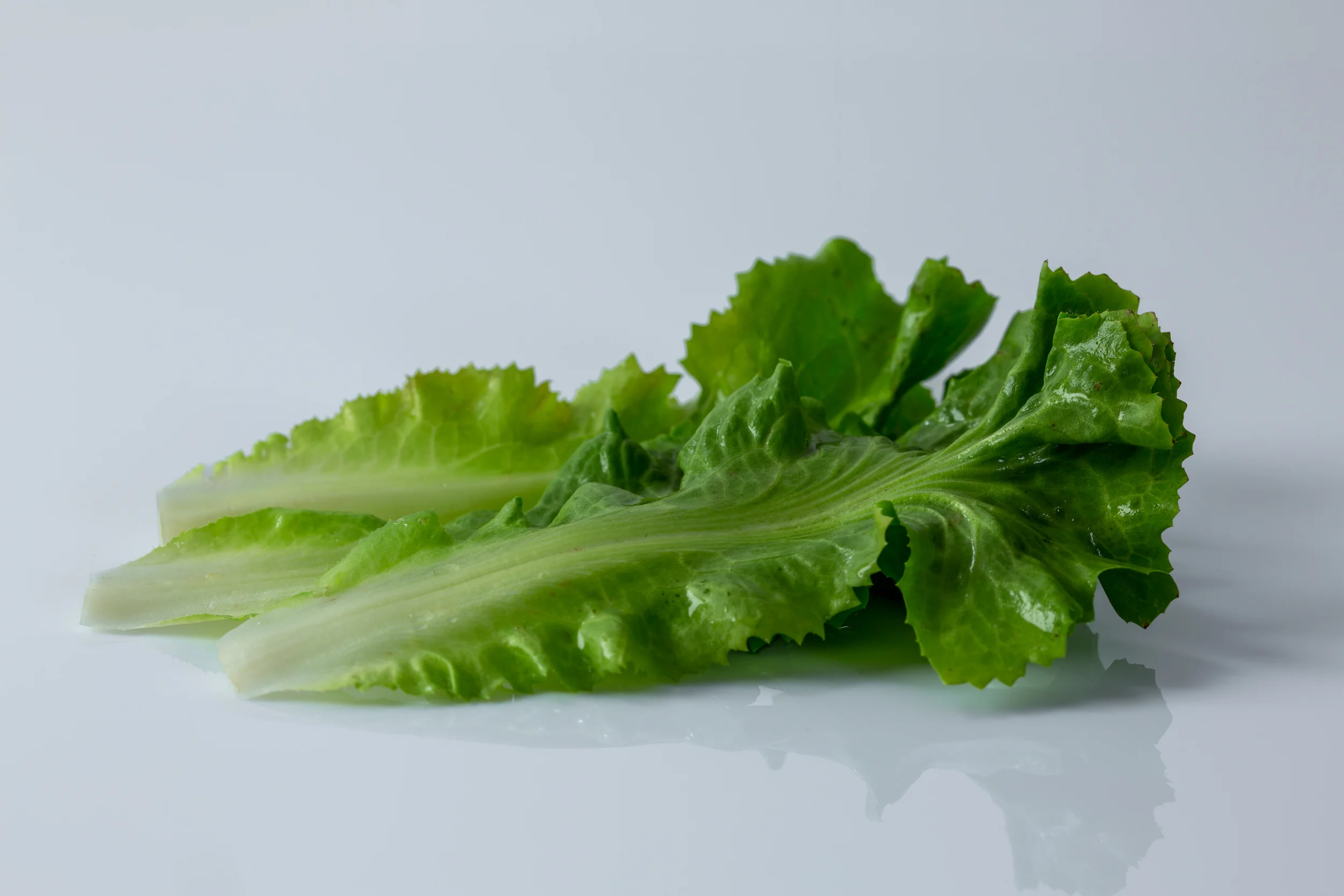
When can babies have escarole?
Escarole may be introduced as soon as baby is ready to start solids, which is generally around 6 months of age.
Escarole is a type of endive in the chicory family, closely related to frisée and radicchio. It has broad, sturdy leaves with a pleasant balance of bitterness and sweetness. Escarole has deep roots in Mediterranean and Italian cuisines, appearing in soups, braised dishes, and leafy salads. Escarole pairs well with creamy cannellini beans, tangy olives, bright fruits like apple and peach, and much more.
How do you serve escarole to babies?
Every baby develops on their own timeline, and the suggestions on how to cut or prepare particular foods are generalizations for a broad audience.
6 months old +:
Offer finely chopped or shredded cooked escarole mixed into mashed potato, porridge, stew or another soft food that baby can scoop. While you can offer the soft, well-cooked pieces of escarole on their own, the small pieces may cling to the tongue and inside baby’s mouth, making them challenging to manage. Mixing the small pieces into soft scoopable foods or into finger foods like egg strips or meat patties can minimize coughing and gagging.
If baby doesn’t have teeth yet, you can also consider offering a thick, raw escarole stem with the leafy parts torn off as a food teether. Baby won’t get food in the belly this way, but exploring food teethers can help advance baby’s eating skills, and you can pair the escarole stem with a dip like hummus or yogurt for more consumption.
9 months old +:
Offer chopped or shredded escarole, either raw or cooked. You can serve the greens on their own or mixed into other dishes like porridge or stew. When serving the greens on their own, some pieces may stick to baby’s tongue or the inside of their mouth. This may cause some harmless gagging; to reduce discomfort, cook the escarole until very soft or offer a small drink in an open cup to help wash down the food. Expect some spitting as baby learns to manage the texture.
12 months old +:
Serve escarole as desired, cooked or raw, chopped, shredded, or in larger pieces. Continue to expect some spitting, but you may start to see more swallowing and consumption around this age, especially as the molars come in, which help the child grind more challenging textures. This is also a great age to encourage self-feeding with utensils. If the child needs help, simply preload an age-appropriate utensil and lay it next to the food for the toddler to pick up.
Is escarole a choking hazard for babies?
No. Escarole presents a low risk when safely prepared for a child’s age and developmental ability, though, in theory, an individual could choke on any food. To reduce the risk, prepare and serve escarole in an age-appropriate way as described in the How to Serve section. Escarole can also cause some gagging or coughing as the leaves cling to baby’s tongue or the roof of their mouth. Offer a drink in an open cup to help baby wash any pieces of food down. As always, create a safe eating environment and stay within reach of baby during meals.
Learn the signs of choking and more about choking first aid in our free guides, Infant Rescue and Toddler Rescue.
Is escarole a common allergen?
No, escarole is not a common allergen. However, allergies to vegetables of the chicory family, of which escarole is a member, have been reported.[1] [2] [3] Individuals with Oral Allergy Syndrome (also called pollen food allergy syndrome), and in particular, those with sensitivities to certain tree pollens, may also be sensitive to escarole.[2] Oral Allergy Syndrome typically results in short-lived itching, tingling, or burning in the mouth and is unlikely to result in a dangerous reaction. Cooking escarole may help minimize and even eliminate the reaction.[4] [5]
Is escarole healthy for babies?
Yes. Escarole contains important nutrients for a developing child, including folate, potassium, zinc, vitamins C and K, beta carotene, antioxidants and fiber. In tandem, these nutrients work to support neurodevelopment, heart health, iron absorption, blood clotting, bone health, digestive processes, and more.
Is escarole healthier than lettuce?
Both escarole and lettuce are nutritious and great options for adding to baby’s meals in age-appropriate ways. Depending on the specific variety of lettuce, both escarole and lettuce can offer good amounts of vitamin K, fiber, and folate, among other vitamins and minerals.
Reference Material
AAAAI. (2020). Lettuce Anaphylaxis.
P. Cadot, A.-M. Kochuyt, R. van Ree, J.L. Ceuppens (2003). Oral Allergy Syndrome to Chicory Associated with Birch Pollen Allergy. Int Arch Allergy Immunol, 131 (1): 19–24. https://doi.org/10.1159/000070430
Minciullo, P.L., Trombetta, D. Saija, A., Bonanno, D. (2004). Allergy to red chicory (Cichorium intybus var. sylvestre). Italian Journal of Food Science, 16 (4): 483-485.
Start solids with confidence
- Guided Introduction to 100+ Foods
- Smart Tools to Simplify Mealtime
- Food Allergen 101
- 300+ Meal Ideas
- First Foods® Database
Start solids with confidence
- Guided Introduction to 100+ Foods
- Smart Tools to Simplify Mealtime
- Food Allergen 101
- 300+ Meal Ideas
- First Foods® Database
Expert Tips Delivered to Your Inbox
Sign up for weekly tips, recipes and more.