
Culantro
Herb/Spice
- Age Suggestion
- 6 months
- Iron-Rich
- No
- Common Allergen
- No
When can babies have culantro?
Culantro may be introduced as soon as baby is ready to start solids, which is generally around 6 months of age.
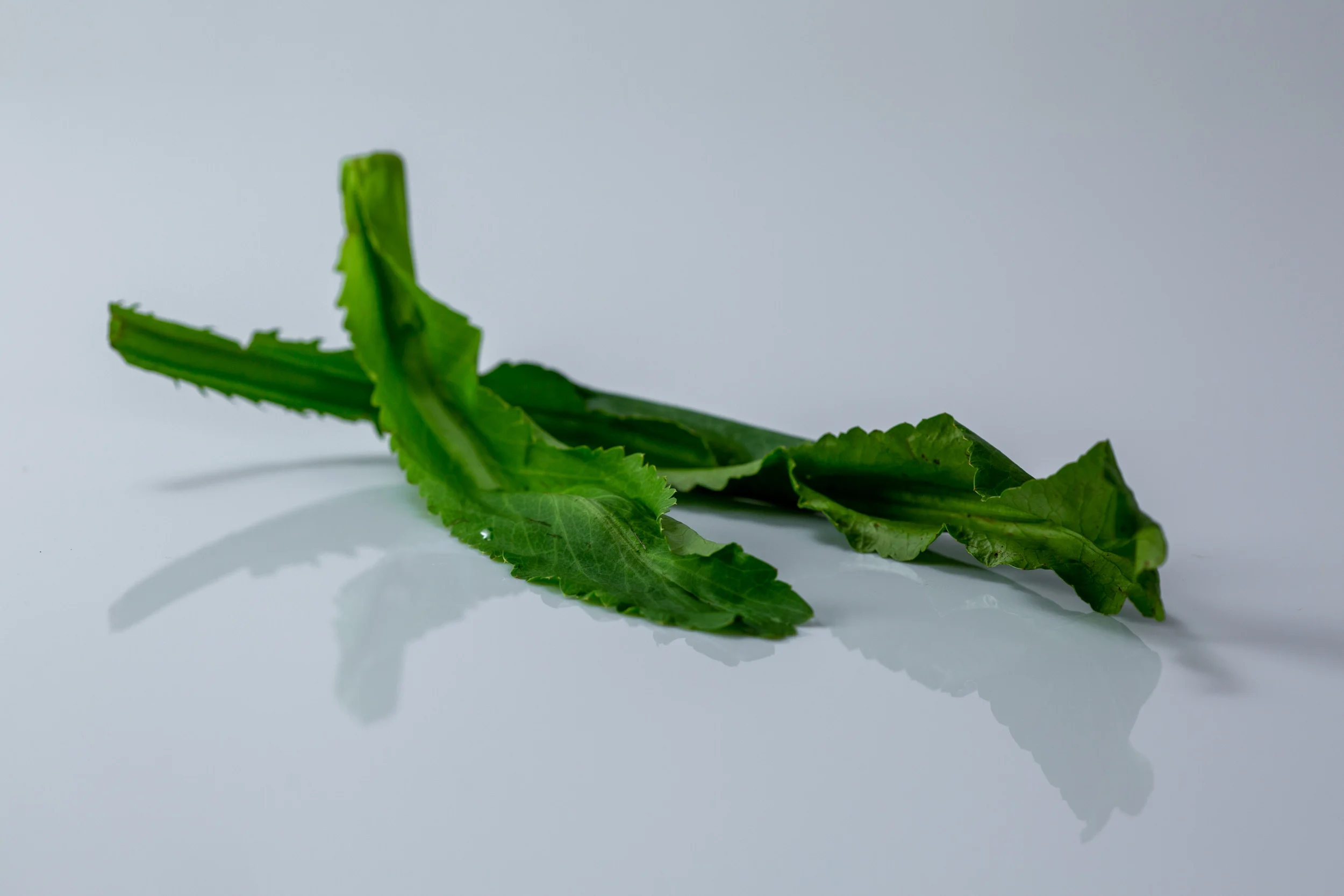
Culantro, also known as ngò gai, recao, and shado beni, among other names, is a leafy herb native to tropical regions of the Americas and widely used across South American, Caribbean, and Southeast Asian cuisines. Though it shares a similar aroma with cilantro, culantro has a more pungent, robust flavor and can tolerate cooking better than its more delicate cousin. It is a key ingredient in both raw and cooked dishes, from Puerto Rican sofrito to Trinidadian green seasoning, Vietnamese soups, Thai curries, and more.
How do you serve culantro to babies?
Every baby develops on their own timeline, and the suggestions on how to cut or prepare particular foods are generalizations for a broad audience.
6 months old +:
Blend fresh culantro with oil and a little citrus juice into a bright sauce that can be drizzled onto age-appropriate foods like a strip of chicken or tofu. You can also finely mince culantro to stir into soft, scoopable foods like mashed vegetables, rice, or yogurt. Alternatively, make sofrito with culantro and use as a base to flavor dishes like stew or rice dishes, and serve baby age-appropriate pieces of food from these shared meals.
9 months old +:
Incorporate finely chopped or blended culantro into sauces, sofrito, meat patties, or sprinkle on top of bean dishes and steamed vegetables. And continue to use culantro to make green sauces to season baby’s food.
12 months old +:
Use culantro as you normally would in dishes, even if a recipe calls for larger pieces of chopped leaf. Just keep in mind that any larger pieces of leaf may cause toddlers to gag or cough a little. Keep an open cup with water or milk on hand and encourage the toddler to take a sip if a bit of culantro gets uncomfortable.
Is culantro a choking hazard for babies?
No. Culantro presents a low risk when safely prepared for a child’s age and developmental ability, though, in theory, an individual could choke on any food. To reduce the risk, prepare and serve culantro in an age-appropriate way as described in the How to Serve section. As always, create a safe eating environment and stay within reach of baby during meals.
Learn the signs of choking and more about choking first aid in our free guides, Infant Rescue and Toddler Rescue.
Is culantro a common allergen?
No. Allergies to culantro are not common. Note that certain dried herb blends that feature culantro may contain common food allergens, so make sure to read labels thoroughly if your child has food allergies.
Individuals with oral allergy syndrome (also known as pollen food allergy syndrome), particularly those who are allergic to birch or mugwort pollen and/or sensitive to foods within the Apiaceae family (such as carrot, celery, coriander, cumin, dill, and fennel), may also be sensitive to culantro as it is part of the Apiaceae family.[1] [2]Oral Allergy Syndrome typically results in short-lived itching, tingling, or burning in the mouth and is unlikely to result in a dangerous reaction. Cooking culantro may help minimize the reaction.[3] [4]
Is culantro healthy for babies?
Yes. Culantro offers small amounts of a variety of vitamins, minerals, and fiber. It also contains a number of plant compounds like phenols, flavonoids, and carotenoids, which may offer anti-inflammatory, antimicrobial, and antioxidant properties.[5]
Is culantro the same as cilantro?
No. Although the two herbs have similar flavors, they come from different plants. Culantro has longer, broader serrated leaves and a stronger, more concentrated flavor than cilantro.

Reference Material
Thiviya, P., Gunawardena, N., Gamage, A., Madhujith, T., Merah, O. (2022). Apiaceae family as a valuable source of biocidal components and their potential uses in agriculture. Horticulturae 8 (7): 614. DOI: 10.3390/horticulturae8070614
American Academy of Allergy Asthma & Immunology. Can Spices Cause an Allergic Reaction?
American Academy of Allergy Asthma & Immunology. Oral Allergy Syndrome (OAS) or Pollen Fruit Syndrome (PFS).
Start solids with confidence
- Guided Introduction to 100+ Foods
- Smart Tools to Simplify Mealtime
- Food Allergen 101
- 300+ Meal Ideas
- First Foods® Database

Start solids with confidence
- Guided Introduction to 100+ Foods
- Smart Tools to Simplify Mealtime
- Food Allergen 101
- 300+ Meal Ideas
- First Foods® Database
Expert Tips Delivered to Your Inbox
Sign up for weekly tips, recipes and more.