
Coriander Seed
Herb/Spice
- Age Suggestion
- 6 months
- Iron-Rich
- No
- Common Allergen
- No
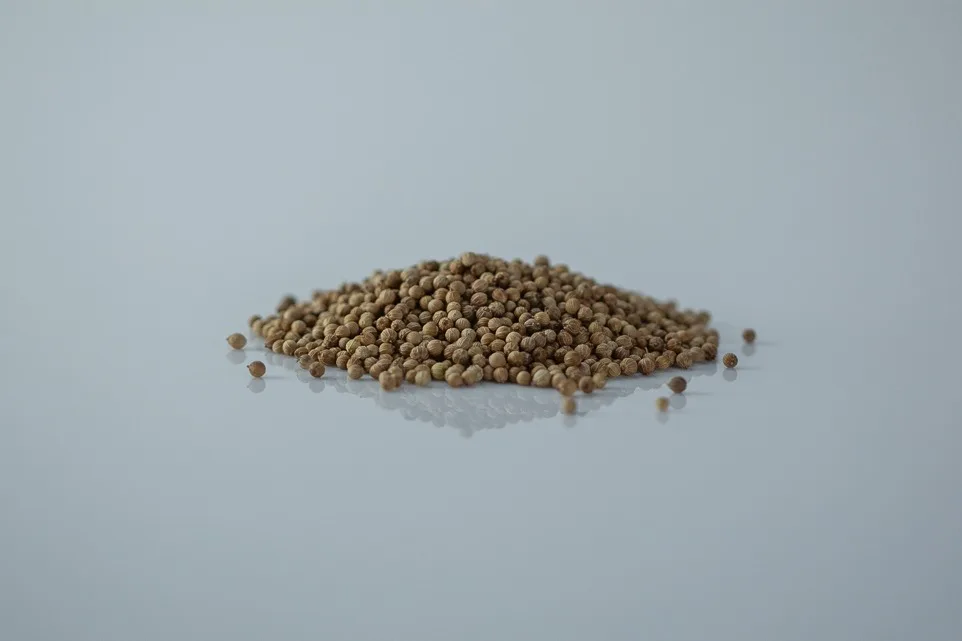
When can babies have coriander seed?
Coriander seeds may be introduced as soon as baby is ready to start solids, which is generally around 6 months of age. Learn more about cilantro (coriander leaf) here.
Coriander is the seed of the cilantro plant, native to the lands around the Mediterranean Sea and Southwest Asia and cultivated for thousands of years. The seeds are used worldwide in spice blends, curries, soups, and baked goods. In cuisines from South Asia, South America, Europe and beyond, coriander seed adds warmth, citrusy notes, and depth of flavor to traditional dishes.
How do you serve coriander seed to babies?
Every baby develops on their own timeline, and the suggestions on how to cut or prepare particular foods are generalizations for a broad audience.
6 months old +:
Add a pinch of ground coriander to purées, mashed vegetables, or age-appropriate strips of meat to share with baby. Alternatively, you can use whole coriander seeds to flavor porridge, soups, or stews, but remove the seeds from baby’s portion before serving to reduce the choking risk.
12 months old +:
Cook with coriander seeds as desired in the child’s meals, either as ground coriander or soft, cooked whole seeds. Use them in combination with other ingredients to create rich sauces, add to the batter for baked goods, and more. Continue to be cautious when serving dishes with whole seeds and make sure they’ve been cooked until soft or removed before serving.
Are coriander seeds a choking hazard for babies?
No. Coriander seed presents a low risk when safely prepared for a child’s age and developmental ability, though, in theory, an individual could choke on any food. To reduce the risk, prepare and serve coriander in an age-appropriate way as described in the How to Serve section. As always, create a safe eating environment and stay within reach of baby during meals.
Learn the signs of choking and more about choking first aid in our free guides, Infant Rescue and Toddler Rescue.
Is coriander a common allergen?
No. Allergies to coriander seeds are rare, but have been reported.[1] [2] [3] [4] [5] Note that certain spice blends that feature coriander seeds may contain common food allergens, so make sure to read labels thoroughly if your child has food allergies.
Individuals with Oral Allergy Syndrome (also known as pollen food allergy syndrome), particularly those who are allergic to birch or mugwort pollen and/or sensitive to foods within the Apiaceae family (such as carrot, celery, anise, cumin, dill, and fennel), may also be sensitive to coriander seeds.[6] Cooking coriander seed can help minimize the reaction.[7] [8]
That said, spices can also cause reactions similar to allergic symptoms. For example, inhaling a puff of ground coriander can irritate the nasal passageways and trigger sneezing and coughing, but may not be triggered by an allergic reaction.[9] Spicy foods may also cause a harmless rash around the mouth while baby eats or may cause or worsen diaper rash. Try applying a thin layer of barrier cream or ointment—such as pure petroleum jelly or a plant-based oil/wax balm—to baby’s face and bottom before the meal to help prevent contact rashes.
Are coriander seeds healthy for babies?
Is coriander seed the same as cilantro?
They come from the same plant. The leaves and stems are called cilantro (or coriander leaf), while the dried fruit is known as coriander seed. They have very different flavors.

Reference Material
Kanerva, L., Estlander, T., & Jolanki, R. (1996). Occupational allergic contact dermatitis from spices. Contact dermatitis, 35(3), 157–162. DOI: 10.1111/j.1600-0536.1996.tb02334.x.
Sastre J, Olmo M, et al. (1996). Occupational asthma due to different spices. Allergy, 51(2):117-20.
Start solids with confidence
- Guided Introduction to 100+ Foods
- Smart Tools to Simplify Mealtime
- Food Allergen 101
- 300+ Meal Ideas
- First Foods® Database
Start solids with confidence
- Guided Introduction to 100+ Foods
- Smart Tools to Simplify Mealtime
- Food Allergen 101
- 300+ Meal Ideas
- First Foods® Database
Expert Tips Delivered to Your Inbox
Sign up for weekly tips, recipes and more.