
Coconut Yogurt
Fruit
- Age Suggestion
- 6 months
- Iron-Rich
- No
- Common Allergen
- No
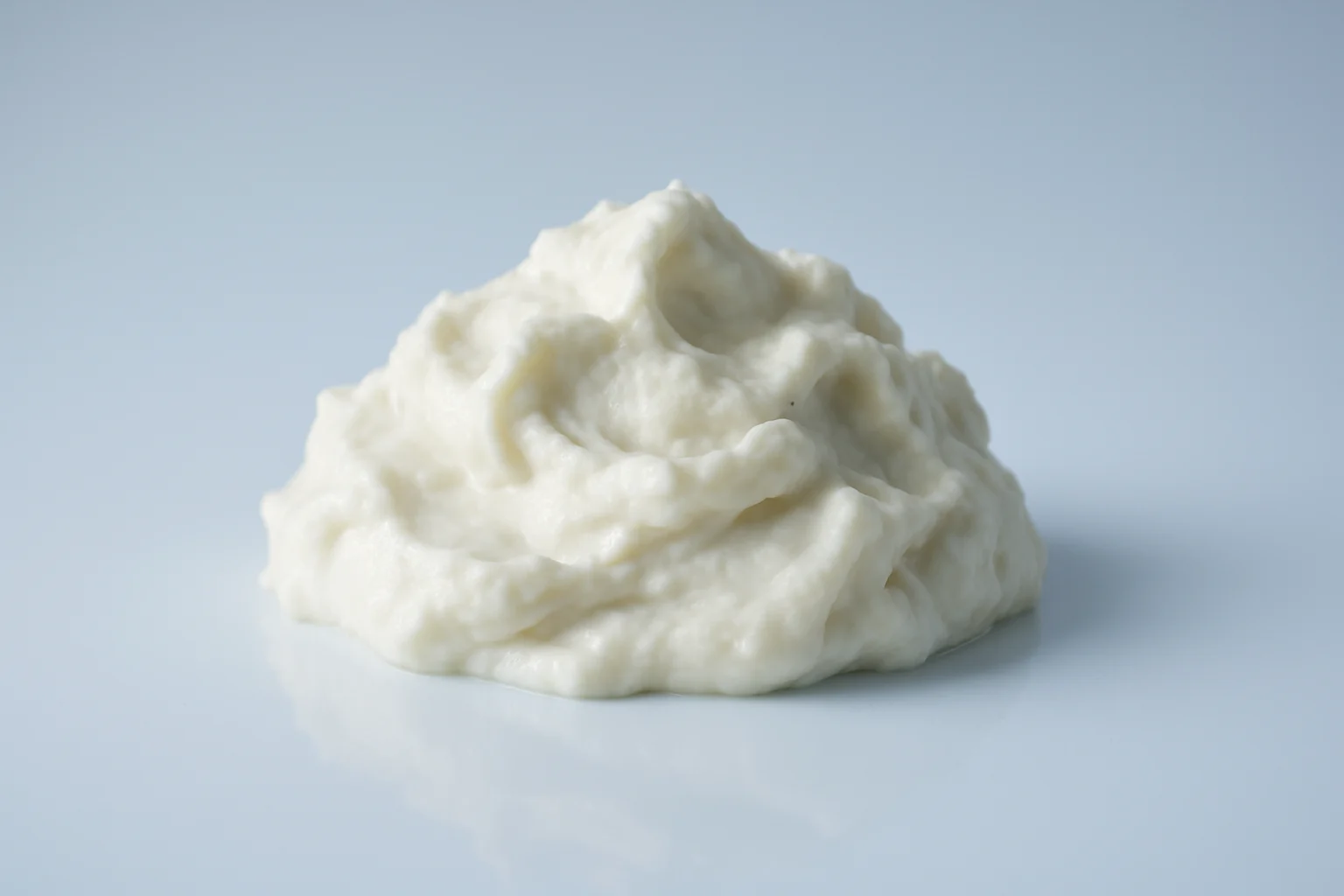
When can babies have coconut yogurt?
Coconut yogurt may be introduced as soon as baby is ready to start solids, which is generally around 6 months of age.
Coconut yogurt is a modern adaptation of traditional coconut-based foods long consumed in tropical regions. Coconut has been a dietary staple across Southeast Asia, the Pacific Islands, and parts of Africa for centuries, where its flesh, milk, and water are used in curries, stews, and desserts. The idea of fermenting coconut milk with probiotic cultures draws from both these regional culinary traditions and global yogurt-making techniques.
How do you serve coconut yogurt to babies?
Every baby develops on their own timeline, and the suggestions on how to cut or prepare particular foods are generalizations for a broad audience.
6 months old +:
Offer coconut yogurt in a bowl and let baby scoop the yogurt with their hands or eat from a pre-loaded spoon (passing the spoon in the air will make it easier for baby to grab). If you have already successfully introduced nut or seed butters, mixing them into yogurt will offer extra nourishment and make the yogurt a bit thicker (and less likely to fall off the spoon). You can also use coconut yogurt as the base for sweet and savory sauces.
9 months old +:
At this age, babies may be able to pick up pre-loaded spoons independently. Continue to offer coconut yogurt in a bowl and give baby plenty of opportunities to pick up the pre-loaded spoon independently. Note that many babies will tire of this activity quickly so don’t worry if you need to go back and forth between letting baby eat yogurt with their fingers, a pre-loaded spoon handed over the air, or a pre-loaded spoon resting on the edge of a bowl. Multiple spoons at the same time can help.
12 months old +:
In this age range, if you are still pre-loading spoons and handing them over in the air, this is a good time to pre-load the spoon and leave it on the edge of the bowl for the toddler to pick up independently and practice using. Be patient: consistent, independent utensil use may not come until after 2 years of age.
Is coconut yogurt a choking hazard for babies?
No. Coconut yogurt presents a low risk when safely prepared for a child’s age and developmental ability, though, in theory, an individual could choke on any food. To reduce the risk, prepare and serve coconut yogurt in an age-appropriate way as described in the How to Serve section. As always, create a safe eating environment and stay within reach of baby during meals.
Learn the signs of choking and more about choking first aid in our free guides, Infant Rescue and Toddler Rescue.
Is coconut yogurt a common allergen?
No, coconut yogurt is made primarily of coconut, and coconut allergy is rare.[1] [2] However, in the rare cases when it does occur, coconut allergy has been associated with severe reactions.[2] Read the label on coconut yogurt carefully for any common allergens like soy or tree nuts in the ingredient list and wait to serve until all common allergens in that coconut yogurt have been safely introduced.
Although it is not typical for individuals with peanut or tree nut allergies to also be allergic to coconut, cross-reactivity has occasionally been observed between coconut and macadamia, almond, walnuts, hazelnuts, lentils, and latex.[3][4]
Is coconut yogurt healthy for babies?
Yes. Coconut yogurt is rich in fat, which babies need for healthy brain development and energy. Some brands are made with live bacterial cultures, which offer probiotic benefits for baby’s digestion, and others are also fortified with calcium and vitamin D to support baby’s developing bones, as well as other essential vitamins and minerals.
Reference Material
U.S. Food & Drug Administration. FDA Basics for Industry: Section 201(qq). Retrieved December 28, 2020
Anagnostou, K. (2017). Coconut Allergy Revisited. Children (Basel, Switzerland), 4(10), 85. DOI:10.3390/children4100085.
Michavila GA, Amat BM, Gonzalez CM, Segura NL, Moreno PM, Bartolomé B. (2015). Coconut anaphylaxis: Case report and review. Allergologia et immunopathologia. 43(2):219.
Start solids with confidence
- Guided Introduction to 100+ Foods
- Smart Tools to Simplify Mealtime
- Food Allergen 101
- 300+ Meal Ideas
- First Foods® Database
Start solids with confidence
- Guided Introduction to 100+ Foods
- Smart Tools to Simplify Mealtime
- Food Allergen 101
- 300+ Meal Ideas
- First Foods® Database
Expert Tips Delivered to Your Inbox
Sign up for weekly tips, recipes and more.