
Citron
Fruit
- Age Suggestion
- 6 months
- Iron-Rich
- No
- Common Allergen
- No
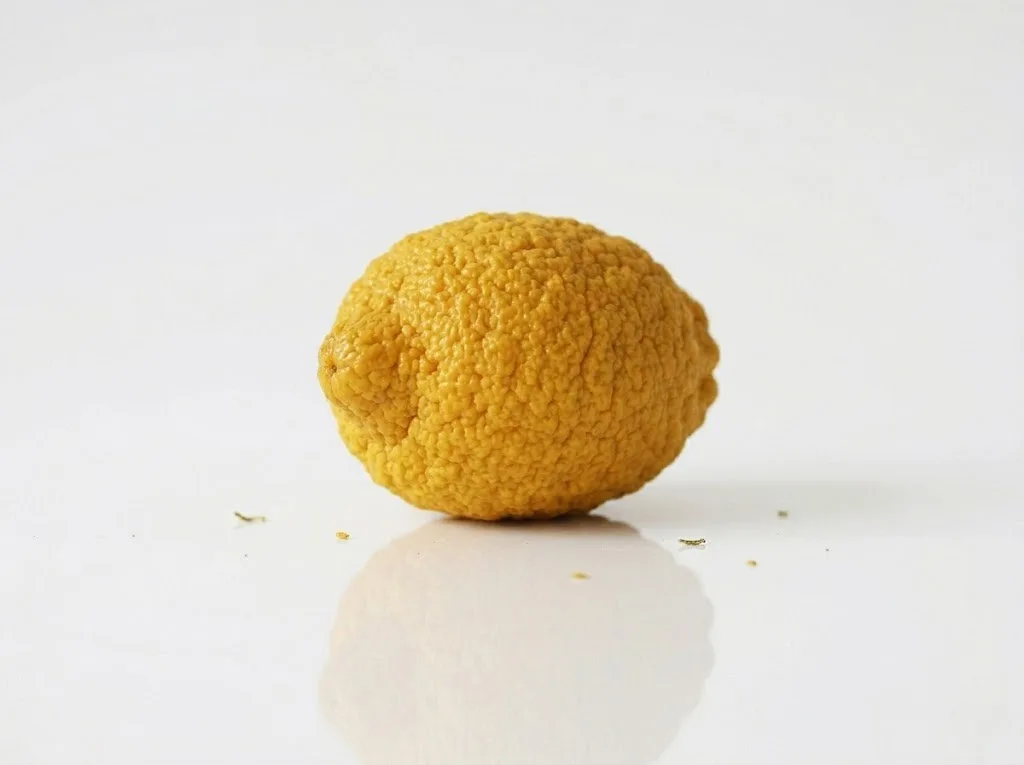
When can babies have citron?
Citron may be introduced as soon as baby is ready to start solids, which is generally around 6 months of age.
Citron is one of the oldest citrus fruits, believed to be the ancestor of lemons and limes. Originating in South and Southeast Asia, it spread west through ancient trade routes, becoming a cherished fruit in the lands around the Mediterranean. In Jewish traditions, the citron—known as etrog—holds cultural and religious significance during Sukkot, while in Italian and South Asian cuisines, it is often eaten candied, pickled, or infused in syrups.
How do you serve citron to babies?
Every baby develops on their own timeline, and the suggestions on how to cut or prepare particular foods are generalizations for a broad audience.
6 months old +:
Use grated citron zest in baby’s meals as desired. Baby may enjoy tasting citron on its own: offer a large, flat round slice of citron with all seeds removed for baby to explore. Hold off on serving pieces of candied citron, as these chunks of fruit pose an increased risk of choking.
24 months old +:
At this age, if a toddler has molars and shows mature chewing skill–chewing food thoroughly, spitting out food that hasn’t been chewed enough, taking bites–you can try offering pieces of candied citron. Try offering just one piece at a time to discourage the child from shoveling food in the mouth. Continue to add citron zest to meals as desired, or spread citron jam on toast or mix into yogurt, or offer flat slices of the whole citron for the toddler to practice taking bites from.
Is citron a choking hazard for babies?
Not typically, since citron is often served as jams, syrups, and other forms, and these present a low risk when safely prepared for a child’s age and developmental ability, though, in theory, an individual could choke on any food. To reduce the risk, prepare and serve citron in an age-appropriate way as described in the How to Serve section. As always, make sure you create a safe eating environment and stay within an arm’s reach of baby during meals.
Learn the signs of choking and more about choking first aid in our free guides, Infant Rescue and Toddler Rescue.
Is citron a common allergen?
No, citron is not a common food allergen. However, self-reported sensitivity to citrus is described frequently in medical literature around the world. Also, individuals with Oral Allergy Syndrome (also called pollen food allergy syndrome) may be sensitive to citrus fruits such as citrons.[1] In particular, individuals who are allergic to grass and certain tree pollens may also be more sensitive to citrus fruits.[2] Oral Allergy Syndrome typically results in short-lived itching, tingling, or burning in the mouth and is unlikely to result in a dangerous reaction. Peeling or cooking citron can help minimize the reaction.[1] [3]
Note that citron is highly acidic, and exposure to the acid may cause a harmless rash on the skin it touches, typically around the mouth. It usually dissipates on its own after a short time.[4] Additionally, the acid in citrus fruits like citrons can be irritating on a baby's digestive tract, as well as cause or worsen diaper rashes when consumed in excess. Barrier ointments (such as pure petroleum jelly or a plant-based oil/wax combination) can be applied to the face before mealtime, as well as to the diaper area, to help protect the skin from acidic foods.
The peel of citron contains a compound called limonene, which is a known contact allergen, and can cause allergic contact dermatitis in sensitized individuals.[4] [5] Citron is associated with phytophotodermatitis, a skin condition that occurs when a person gets the juice from the fruit on the skin and doesn't wash it off. Compounds in the juice are activated by the sun and cause a pigmented, itchy, and occasionally blistering and painful rash on the skin.[6] Cleansing the skin after citrus contact and using sun protection can help to prevent the phytophotodermatitis rash.
Is citron healthy for babies?
Yes, although citron is often consumed in small amounts. The flesh of citron provides vitamin C to support the immune system and nonheme iron absorption, while the pith (the white spongy part) is rich in pectin to support digestive health.[7] Overall, citron is packed with plant compounds like polyphenols that offer antioxidant properties and promote overall bodily resilience.[8]
Citron is often candied and used in desserts and other sweets, and delaying the introduction of sweetened foods can help establish a foundation for a varied diet and establish healthy habits, while also reducing the risk of dental cavities and supporting healthy growth patterns. That said, a taste here and there of age-appropriate citron sweets is perfectly fine.
Is citron the same as lemon?
No. Citron is a distinct species of citrus and one of the original ancestors of modern lemons. It has very little juice and a thick, fragrant rind that’s used mainly for zesting, candying, or flavoring.
Reference Material
American Academy of Allergy Asthma & Immunology. Oral Allergy Syndrome (OAS) or Pollen Fruit Syndrome (PFS).
Iorio, R.A., Del Duca, S., Calamelli, E., Pula, C., Lodolini, M., et al. (2013). Citrus allergy from pollen to clinical symptoms. PloS one, 8(1), e53680. DOI:10.1371/journal.pone.0053680.
Kashyap, R.R., Kashyap, R.S. (2015). Oral Allergy Syndrome: An Update for Stomatologists. Journal of allergy, 2015, 543928. DOI:10.1155/2015/543928.
Start solids with confidence
- Guided Introduction to 100+ Foods
- Smart Tools to Simplify Mealtime
- Food Allergen 101
- 300+ Meal Ideas
- First Foods® Database

Start solids with confidence
- Guided Introduction to 100+ Foods
- Smart Tools to Simplify Mealtime
- Food Allergen 101
- 300+ Meal Ideas
- First Foods® Database
Expert Tips Delivered to Your Inbox
Sign up for weekly tips, recipes and more.