
Chili Powder
Herb/Spice
- Age Suggestion
- 6 months
- Iron-Rich
- No
- Common Allergen
- No
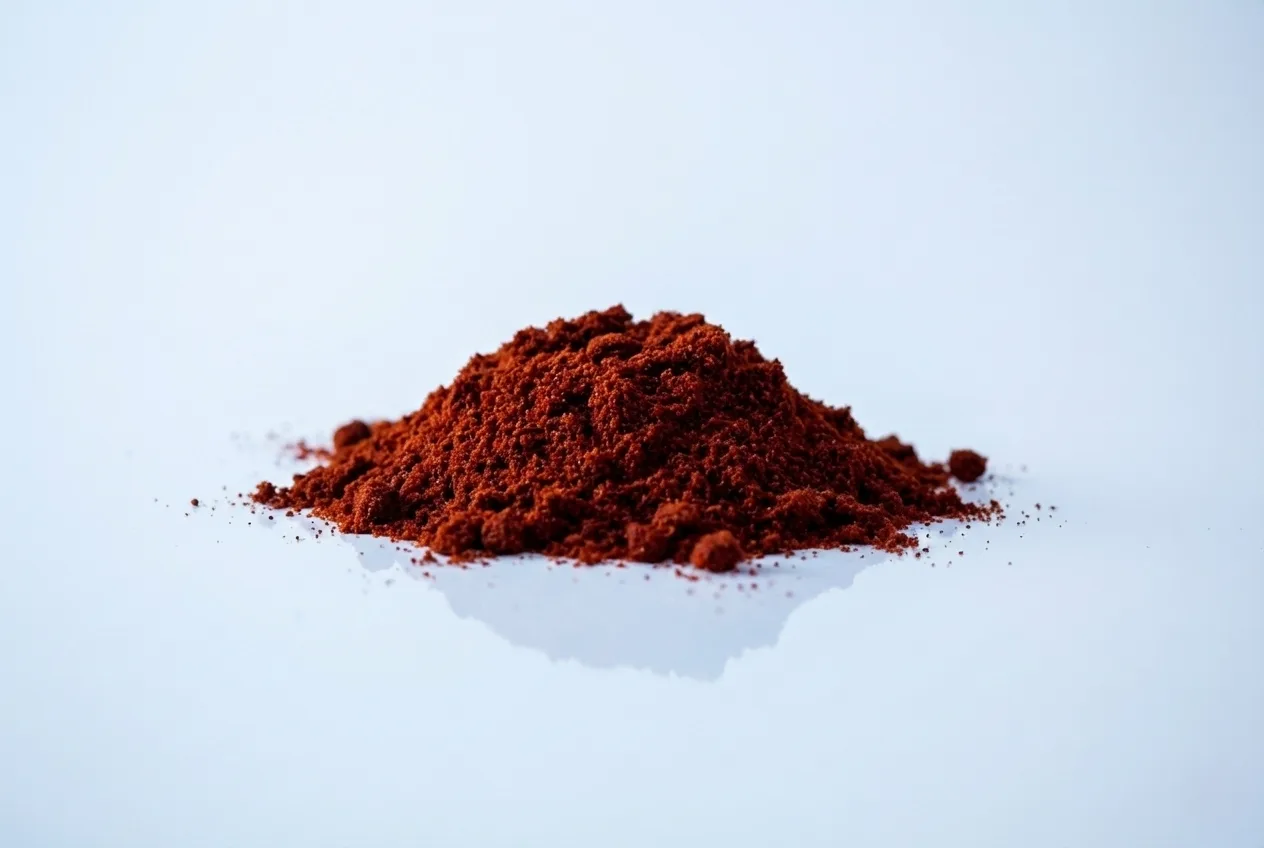
When can babies have chili powder?
Chili powder may be introduced as soon as baby is ready to start solids, which is generally around 6 months of age. Whenever you decide to introduce chili powder into baby’s meals, consider starting with a tiny amount mixed into other foods and serve according to baby’s tolerance. While spicy foods are safe for babies, large quantities may irritate the mouth or cause temporary digestive upset.
Chili powder can refer either to ground dried chili peppers on their own or to a spice blend that includes chili peppers along with other seasonings such as cumin, garlic, oregano, or paprika. Chili peppers originated in the Americas and have been cultivated by Indigenous peoples for thousands of years. Following European colonization, chilies spread rapidly across Africa, Asia, and Europe, becoming central to cuisines worldwide. Today, chili powder helps build depth of flavor and heat in dishes ranging from Mexican stews and moles to South Asian curries, West African sauces, North American chili, and more.
How do you serve chili powder to babies?
Every baby develops on their own timeline, and the suggestions on how to cut or prepare particular foods are generalizations for a broad audience.
6 months old +:
Let baby taste age-appropriate portions of a family meal seasoned with a tiny amount of powdered chili powder, such as mashed beans from chili or a chicken drumstick dipped in mole sauce. Adjust the spice level based on the child’s responses and preferences. The goal is to follow the child’s lead and create positive experiences with new foods and flavors. Note that chili powder and other spicy foods can cause coughing. You can balance the heat by serving spicy food alongside a creamy food like mashed avocado, yogurt, or a small drink of breast milk or formula.
12 months old +:
Continue to serve age-appropriate dishes seasoned with chili powder and adjust the amount of seasoning to the child’s taste. Offer a creamy food like mashed avocado, yogurt, or a small drink of milk on the side to help the child balance the heat.
Is chili powder a choking hazard for babies?
No. Chili powder presents a low risk when safely prepared for a child’s age and developmental ability, though, in theory, an individual could choke on any food. To reduce the risk, prepare and serve chili powder in an age-appropriate way as described in How to Serve. As always, create a safe eating environment and stay within reach of baby during meals.
Learn the signs of choking and more about choking first aid in our free guides, Infant Rescue and Toddler Rescue.
Does chili powder contain common allergens?
No. Chili powder may only contain ground chili peppers, or may also contain other spices like cumin, garlic, and oregano, and none of these are common allergens. That said, read the label on chili powder and make sure any common allergens in the product have been safely introduced before serving.
Allergies to chili peppers are rare, but have been reported.[1] [2]Contact reactions (such as temporary rashes, eye irritation, respiratory difficulty, and digestive upset) to spicy peppers are frequently mistaken for allergic reactions.[3] This is due to the irritating qualities of capsaicin (the spicy component in certain peppers) in sensitive individuals and is not typically a true allergic reaction.[4]
People who are allergic to latex or certain plant pollens may also be allergic to peppers or experience Oral Allergy Syndrome (also known as pollen food allergy syndrome).[5] [6] [7] Oral Allergy Syndrome typically results in short-lived itching, tingling, or burning in the mouth and is unlikely to result in a dangerous reaction.
Note that spicy foods like chili powder may cause a harmless rash around the mouth while baby eats or may cause or worsen diaper rash. Try applying a thin layer of barrier cream or ointment—such as pure petroleum jelly or a plant-based oil/wax balm—to baby’s face and bottom to help prevent contact rashes.
Is chili powder healthy for babies?
Yes. Although chili powder is typically used in small amounts, depending on the exact ingredients, it can offer a bit of vitamin A and vitamin C to support skin and eye health, boost immunity, and aid iron absorption. It also offers some antioxidants to support the body’s resilience against stressors.
Contrary to popular belief, babies can enjoy big flavors, including heat from ingredients like chili powder. Consider starting with small tastes and adjust the spice level based on the child’s responses and preferences. The goal is to follow the child’s lead and create positive experiences with new foods and flavors. Taste the dish before serving to baby, and if the dish seems too spicy, adjust the seasonings to mellow the flavor.
Is chili powder spicy?
It depends. Some chili powders are mild, while others are quite hot. Heat level varies based on the type of chili pepper used and whether the powder is a blend of spices.
Can spicy foods upset my baby’s stomach?
Spicy foods are generally safe as soon as a baby is developmentally ready for solids, though some babies may experience temporary irritation or looser stools. This is not harmful and usually improves with gradual exposure.
Is chili powder the same as cayenne pepper?
No. Cayenne powder is made from a specific type of chili and is typically much hotter. Chili powder often refers to a blend or milder ground chilies.
Reference Material
Callero, A., Cabrera-Hernandez, V., Perez-Rodríguez, E., Jimeno-Nogales, L., Martinez-Tadeo, J., Plata-Rodríguez, E., & Garcia-Robaina, J. (2018). Bell Pepper Allergy: Different Sensitization Profiles. Journal of Investigational Allergology and Clinical Immunology, 28(5), 340–342. DOI: 10.18176/jiaci.0278.
Garcia-Menaya, J.M., Cordobes-Duran, C., Bobadilla-Gonzalez, P., Ledesma, A., Perez-Rangel, I., Sanchez-Vega, S., Zambonino, M.A., Corrales-Vargas, S. (2014). Anaphylactic reaction to bell pepper (Capsicum annuum) in a patient with a latex-fruit syndrome. Allergologia et Immunopathologia. 42.3: 263-265. DOI: 10.1016/j.aller.2012.12.006
Yenigun, O. M., & Thanassi, M. (2019). Capsaicin: An Uncommon Exposure and Unusual Treatment. Clinical practice and cases in emergency medicine, 3(3), 219–221. DOI: 10.5811/cpcem.2019.3.41231
Start solids with confidence
- Guided Introduction to 100+ Foods
- Smart Tools to Simplify Mealtime
- Food Allergen 101
- 300+ Meal Ideas
- First Foods® Database

Start solids with confidence
- Guided Introduction to 100+ Foods
- Smart Tools to Simplify Mealtime
- Food Allergen 101
- 300+ Meal Ideas
- First Foods® Database
Expert Tips Delivered to Your Inbox
Sign up for weekly tips, recipes and more.