
Beef Stock
Meat
- Age Suggestion
- 6 months
- Iron-Rich
- No
- Common Allergen
- No
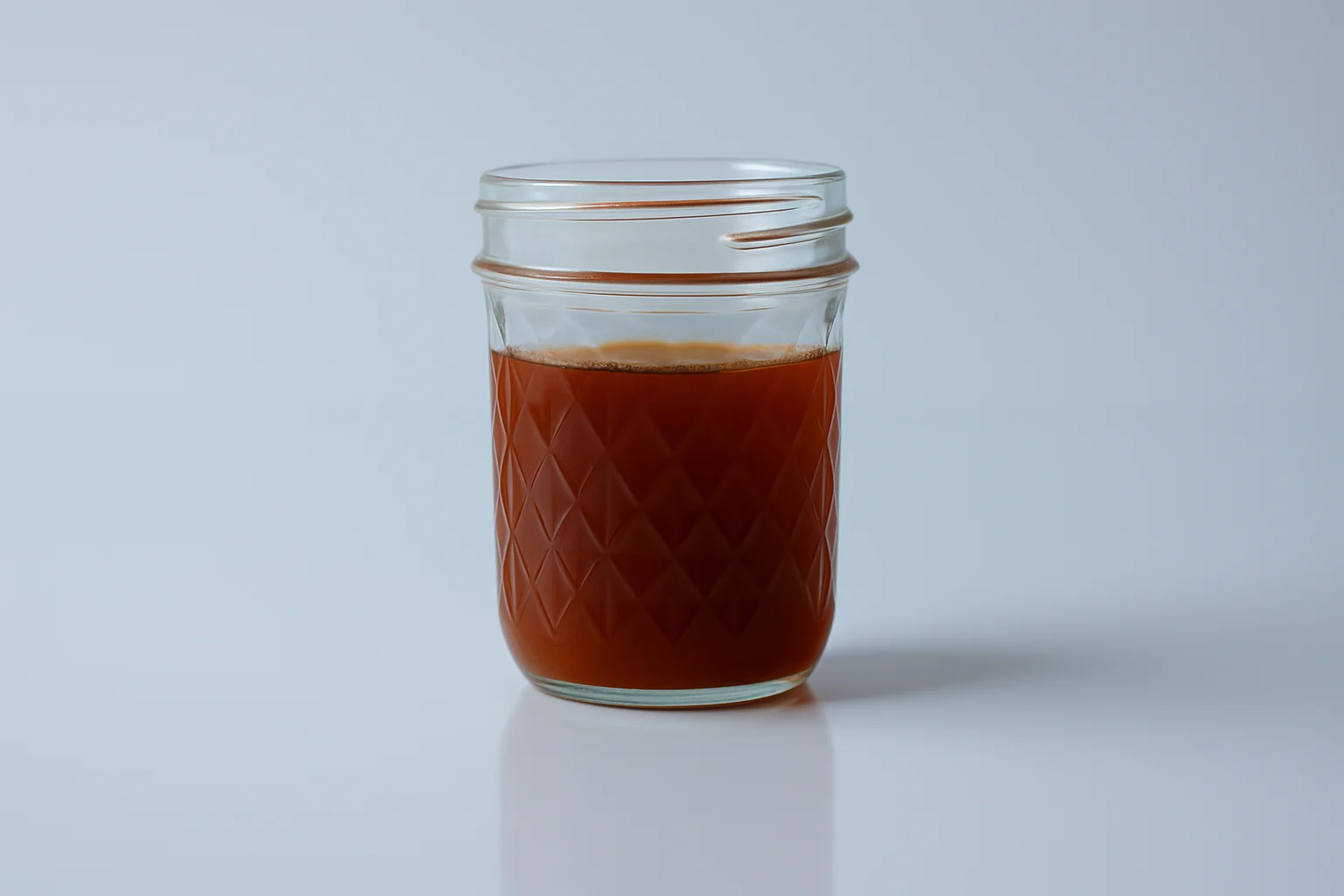
When can babies have beef stock?
Beef stock or broth may be introduced as an ingredient in meals or as a drink as soon as baby is ready to start solids, which is generally around 6 months of age. When serving broth as a drink, limit the amount to less than 4 ounces (118 milliliters) a day before the first birthday, since breast milk and/or formula should be baby’s primary source of hydration and nutrition for the first year of life.
Beef stock is made by simmering beef bones, meat, and aromatics in water to extract flavor and nutrients. Across cultures, beef stock is central to iconic dishes—from French pot-au-feu and Vietnamese pho bo to hearty Eastern European soups and Latin American caldos. Its depth of flavor and versatility make it a foundational ingredient in cuisines around the world.
How do you serve beef broth to babies?
Every baby develops on their own timeline, and the suggestions on how to cut or prepare particular foods are generalizations for a broad audience.
6 to 11 months old:
Use broths and stocks as desired in your cooking, including mixing into purees or using the stock to make savory porridge. If you’d like to introduce broth as a drink, take care to offer only small amounts. Treat broth like water: limit to 2-4 ounces (~60-120 ml) served with a meal in an open cup (not a bottle) at the table. At this age, baby’s main source of hydration and nutrition should be breast milk or formula.
12 months old +:
Continue to use broths and stocks as desired in your cooking. You can also offer broth as a drink, if desired.
Is beef stock a choking hazard for babies?
No. Beef stock presents a low risk when safely prepared for a child’s age and developmental ability, though, in theory, an individual could choke on any food. To reduce the risk, prepare and serve broth in an age-appropriate way as described in the How to Serve section. As always, create a safe eating environment and stay within reach of baby during meals.
Learn the signs of choking and more about choking first aid in our free guides, Infant Rescue and Toddler Rescue.
Is beef stock a common allergen?
No. Beef stock (and the animal meat that may linger on the bones used to make it) is not a common allergen, although broths and stocks may contain common allergens such as soy and wheat, among others. While uncommon, allergies to beef have been reported.[1][2] Finally, bone broth can be high in histamine, especially if it is cooked for an extended period of time. For some individuals, eating foods high in histamine can result in symptoms that mimic those of an allergic reaction.
Is beef stock healthy for babies?
Yes, although when serving as a drink to babies under 12 months of age, it should only be offered in small amounts and in an open or straw cup, not a bottle. Babies can become quite efficient with bottles and, if served broth in a bottle, may drink a large amount and displace the complete nutrition offered by breast milk and/or formula.
The nutrition in beef stock can vary depending on a number of factors. In general, broths and stocks are a good source of fluid, sodium, calcium, copper, iron, magnesium, and zinc. They are often a source of protein and fat as well. These nutrients help support hydration, electrolyte balance, bone density, red blood cells, and taste perception.
Most broths and stocks contain some sodium, which supports hydration, movement, and the balance of electrolytes in the body. Consider serving high-sodium broths and stocks only on occasion, as baby’s sodium needs are generally low. That said, the amount of solid food that baby consumes tends to be low as they practice feeding themselves, and as a result, the amount of sodium consumed also tends to be low. Learn more about sodium for babies.
Can babies have store-bought beef stock?
Yes, it’s fine to share store-bought beef stock in age-appropriate ways with baby. Some store-bought stocks can be higher in sodium than ones made at home; consider serving these only on occasion, as baby’s sodium needs are generally low. That said, the amount of solid food that baby consumes tends to be low as they practice feeding themselves, and as a result, the amount of sodium consumed also tends to be low.
Make sure to check store-bought beef stocks for common allergens like soy and wheat and make sure any allergens in the food have been safely introduced before serving to baby.
Reference Material
American Academy of Allergy Asthma & Immunology. Oral Allergy Syndrome (OAS) or Pollen Fruit Syndrome (PFS). Retrieved September 15, 2020 from: https://www.aaaai.org/conditions-and-treatments/library/allergy-library/outdoor-food-allergies-relate
Wilson, J. M., & Platts-Mills, T. (2018). Meat allergy and allergens. Molecular immunology, 100, 107–112. DOI: 10.1016/j.molimm.2018.03.018. Retrieved April 26, 2022
Start solids with confidence
- Guided Introduction to 100+ Foods
- Smart Tools to Simplify Mealtime
- Food Allergen 101
- 300+ Meal Ideas
- First Foods® Database
Start solids with confidence
- Guided Introduction to 100+ Foods
- Smart Tools to Simplify Mealtime
- Food Allergen 101
- 300+ Meal Ideas
- First Foods® Database
Expert Tips Delivered to Your Inbox
Sign up for weekly tips, recipes and more.