
Avocado Oil
Fruit
- Age Suggestion
- 6 months
- Iron-Rich
- No
- Common Allergen
- No
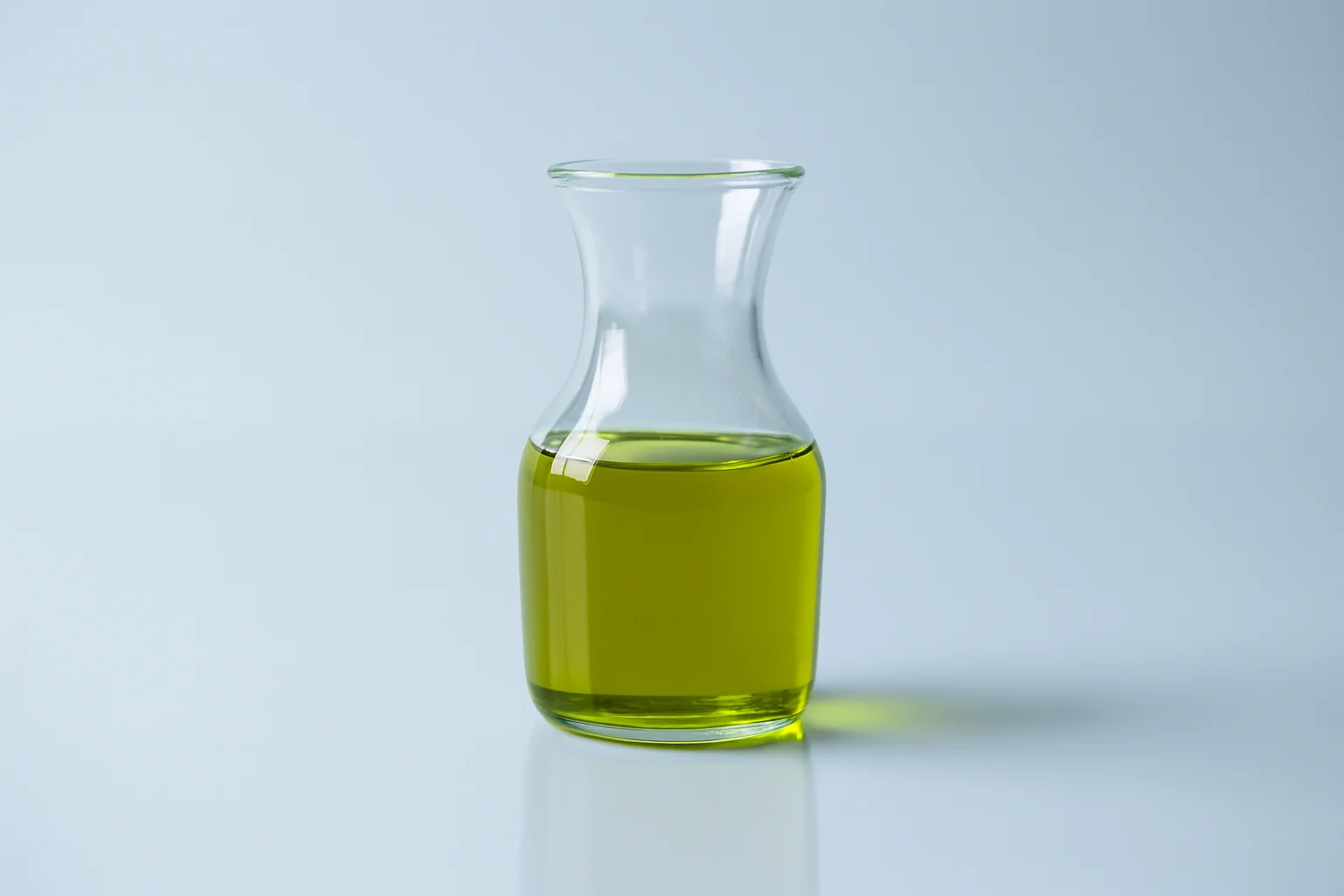
When can babies have avocado oil?
Avocado oil may be introduced as soon as baby is ready to start solids, generally around 6 months of age. It can be drizzled directly onto meals or used in cooking, as it has a high smoke point and mild flavor.
Avocado oil is extracted from the flesh of avocados, a fruit native to Central and South America that has been cultivated for thousands of years. Indigenous peoples of the Americas have valued avocados as both a food and medicine, incorporating them into daily diets and cultural rituals. The oil, pressed from the fruit’s flesh, was traditionally used in cooking and as a skin salve. With globalization, avocado oil has gained worldwide recognition not only for its culinary versatility but also for its role in wellness and beauty products.
How do you serve avocado oil to babies?
Every baby develops on their own timeline, and the suggestions on how to cut or prepare particular foods are generalizations for a broad audience.
6 months old + :
Use avocado oil as part of dressings and sauces, or use in your cooking as desired. If you like, you can pour a small amount directly on baby’s tray or plate to let them taste the oil on its own.
12 months old +:
Continue to use avocado oil as part of dressings, sauces, and marinades, and use in cooking as desired. At this age, toddlers may enjoy dipping age-appropriate foods in dips made with avocado oil.
Is avocado oil a choking hazard for babies?
No. Avocado oil presents a low risk when safely prepared for a child’s age and developmental ability, though, in theory, an individual could choke on any food. To reduce the risk, prepare and serve avocado oil in an age-appropriate way as described in the How to Serve section. As always, create a safe eating environment and stay within reach of baby during meals.
Learn the signs of choking and more about choking first aid in our free guides, Infant Rescue and Toddler Rescue.
Is avocado oil a common allergen?
No. Avocado oil is made from avocados, and allergies to avocado are rare.[1] Avocado allergy is more likely to occur in individuals who are already allergic to banana, chestnut, or kiwi. Those who are allergic to latex or certain pollens may be allergic to avocado or experience Oral Allergy Syndrome (also known as pollen food allergy).[2][3] Oral Allergy Syndrome typically results in short-lived itching, tingling, or burning in the mouth and is unlikely to result in a dangerous reaction. Avocado oil is frequently refined, which removes most of the proteins that cause allergy.
Avocado is a possible trigger for food protein-induced enterocolitis, also known as FPIES. There is emerging evidence that the prevalence of avocado as a trigger for FPIES is higher than originally believed.[4] FPIES is a delayed allergy to food protein which causes the sudden onset of repetitive vomiting and diarrhea to begin a few hours after ingestion. However, refined avocado oil is unlikely to trigger a reaction.
Is avocado oil healthy for babies?
Yes. Avocado oil is rich in mono- and polyunsaturated fats, antioxidants, such as lutein, as well as vitamin E. These nutrients support growth, brain development, vision, immune function, and nutrient absorption.
Is avocado oil better than olive oil?
Both are healthy sources of mono- and polyunsaturated fats, antioxidants, and vitamin E. Certain forms of olive oil may offer more antioxidants, while avocado oil has a higher smoke point, making it ideal for high-heat cooking.
Reference Material
Telez-Diaz, G., Ellis, M. H., Morales-Russo, F., & Heiner, D. C. (1995). Prevalence of avocado allergy among atopic patients. Allergy Proceedings: The Official Journal of Regional and State Allergy Societies, 16(5), 241–243. DOI: 10.2500/108854195778702594. Retrieved April 16, 2021.
Latex Allergy | AAAAI. (n.d.). The American Academy of Allergy, Asthma & Immunology. Retrieved April 2, 2021
Levy, D. A., Mounedji, N., Noirot, C., & Leynadier, F. (2000). Allergic sensitization and clinical reactions to latex, food and pollen in adult patients. Clinical and Experimental Allergy: Journal of the British Society for Allergy and Clinical Immunology, 30(2), 270–275. DOI: 10.1046/j.1365-2222.2000.00751.x.
Start solids with confidence
- Guided Introduction to 100+ Foods
- Smart Tools to Simplify Mealtime
- Food Allergen 101
- 300+ Meal Ideas
- First Foods® Database
Start solids with confidence
- Guided Introduction to 100+ Foods
- Smart Tools to Simplify Mealtime
- Food Allergen 101
- 300+ Meal Ideas
- First Foods® Database
Expert Tips Delivered to Your Inbox
Sign up for weekly tips, recipes and more.