


Access our First Foods® Database in the Solid Starts App.
Learn moreArtichoke
Vegetable
Age Suggestion
6 months
Iron-Rich
No
Common Allergen
No
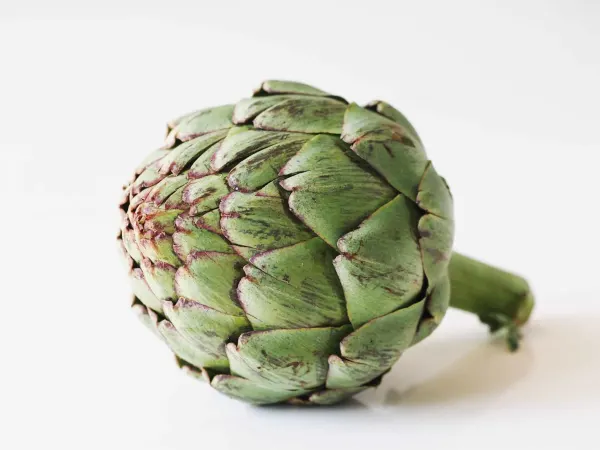
When can babies have artichokes?
Artichokes may be introduced as soon as baby is ready to start solids, which is generally around 6 months of age.
Artichokes are a domesticated variety of the wild cardoon—a thistle in the sunflower family that is native to grassy fields around the Mediterranean Sea. The plant has been cultivated as food and decoration for thousands of years, and today there are more than 100 varieties that range in size and vary in color from pale green to deep purple. Behind the tough outer petals lie the prized tender flower bud, with a mild herbal taste and meaty texture.
How do you serve artichoke to babies?
Every baby develops on their own timeline, and the suggestions on how to cut or prepare particular foods are generalizations for a broad audience.

6 months old +:
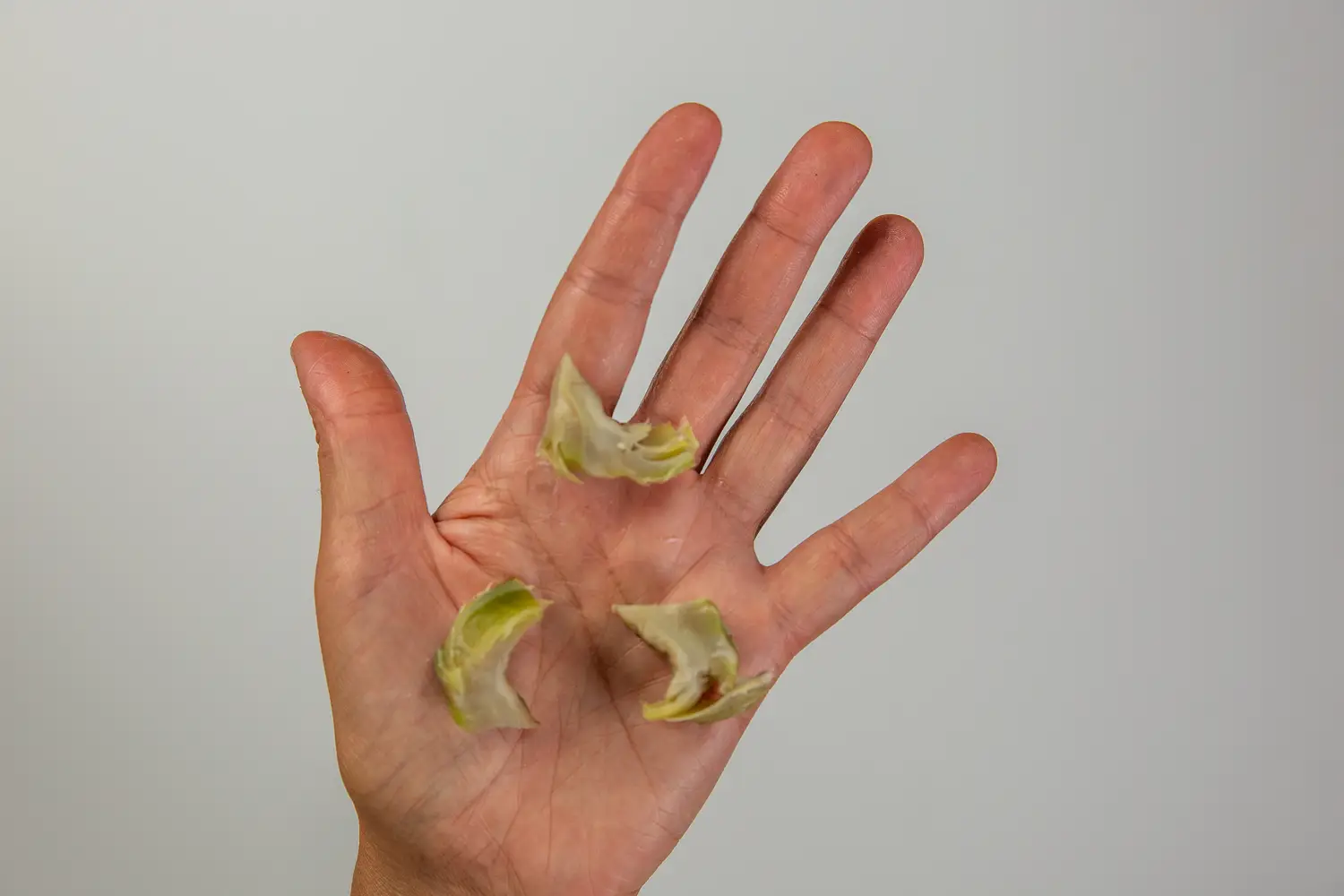
Serve whole or halved large artichoke hearts that have been cooked until completely soft, with inner fuzz and all petals removed (the soft inner ones and tough outer ones) and stem intact for baby to use as a handle. Alternatively, mash or finely chop well-cooked artichoke heart (tough outer petals and inner fuzz removed) or canned artichoke heart and mix with a soft food like mashed avocado or yogurt for baby to scoop.
9 months old +:
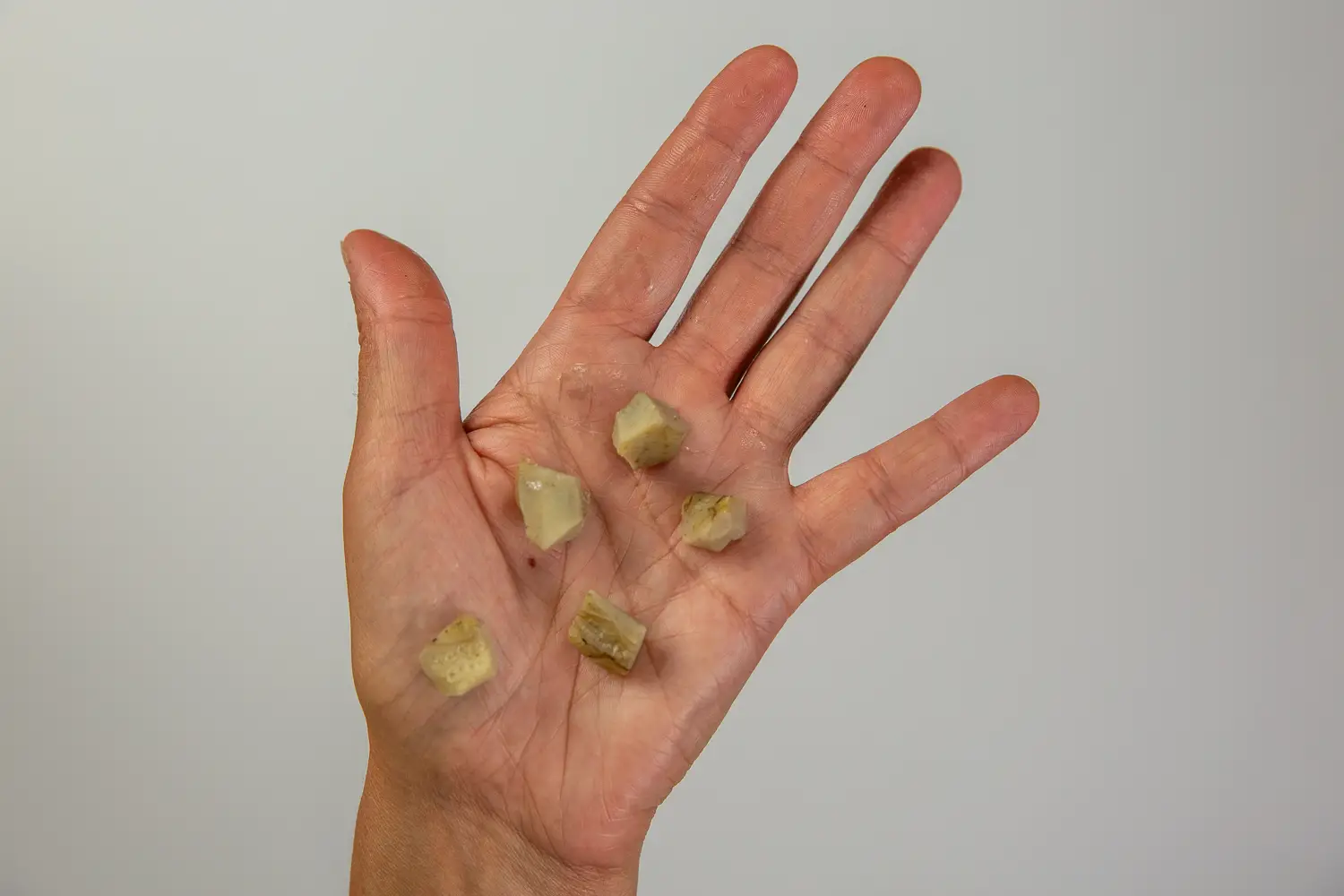
Continue to serve whole or halved large artichoke hearts that have been cooked until completely soft, with all petals and inner fuzz removed and stem intact for baby to use as a handle. When you see signs of a developing pincer grasp (where baby uses the tips of the thumb and pointer finger to pick up smaller pieces of food), offer bite-sized pieces or thin slices of cooked artichoke heart (soft inner and tough outer petals and inner fuzz removed). Alternatively, continue to serve mashed or finely chopped artichoke heart (tough outer petals and inner fuzz removed), on its own or mixed into other foods.
12 months old +:
Offer quartered or bite-sized pieces of soft, fully-cooked artichoke heart (with tough outer petals and inner fuzz removed) or canned artichoke hearts either as finger food or with an age-appropriate fork. You can begin leaving the soft inner petals on at this stage. If the child needs help, try pre-loading the fork and resting it on the edge of the bowl for them to pick up. You can also hand the fork over in the air for the child to grab. This is also a great time to incorporate chopped pieces of artichoke heart into grain dishes, pastas, spreads, stews, and more.
24 months old +:
At this age, continue serving bite-sized pieces or slices of cooked artichoke heart (with tough outer petals and inner fuzz removed), and you can serve a whole cooked artichoke heart for the toddler to practice taking bites from. Once the child understands how to follow directions, often around age 2, you may find they are ready to try eating artichoke petals or even whole artichokes. Coach the child by modeling how to eat the petals by scraping the soft flesh away from the base with your lower teeth and discarding the leaf. Using a different plate as a “discard” plate may help the child understand that some parts of the leaf are for eating and some are not.

Videos
Are artichokes a choking hazard for babies?
Yes. While artichoke can be soft and mashable, it can also be firm and slippery, especially when undercooked, and these are qualities that can increase the risk of choking. To reduce the risk, make sure that the artichoke is fully-cooked and soft, and prepare and serve artichokes in an age-appropriate way as described in the How to Serve section. As always, make sure you create a safe eating environment and stay within an arm’s reach of baby during meals.
Learn the signs of choking and gagging and more about choking first aid in our free guides, Infant Rescue and Toddler Rescue.
Are artichokes a common allergen?
No. Allergy to artichoke is uncommon, but reactions have been reported—typically contact dermatitis. As with all new foods, start by offering a small quantity of artichoke for the first few servings and watch closely. If there is no adverse reaction, gradually increase the quantity over future meals.
Are artichokes healthy for babies?
Yes. Artichokes offer carbohydrates, fiber, fluid, and some protein. They also offer micronutrients like copper, folate, iron, magnesium, potassium, and zinc, in addition to various B vitamins, and vitamins C and K. These nutrients work together to provide energy to support baby’s movement and exploration, as well as a flourishing gut microbiome, hydration, growth, iron status, brain development, electrolyte balance, immune function, bone density, blood clotting, and more.
While some forms of artichokes can be high in sodium, such as canned, jarred, and marinated forms, the amount of sodium that babies eat tends to be low as they learn the skills to feed themselves, and some sodium is important for supporting baby’s electrolyte balance, hydration, and movement. Furthermore, sharing family meals, even if they contain salt, has its benefits: baby has opportunities to explore a wider variety of food, share their family food culture, and practice eating a variety of textures.
★ Tip: When fresh artichokes aren’t available, opt for frozen, canned, jarred, or marinated varieties, which are often more accessible and similarly nutritious.
When can babies have fried artichokes?
Wait until around 24 months of age to share fried artichokes, which present an increased risk of choking as they are more challenging to bite, chew, and manage in the mouth. Some toddlers may be ready to eat fried artichokes around the 2nd birthday, while others will need more time to practice. If the toddler has had plenty of practice chewing firm, crispy foods and they are able to sit calmly and follow directions, offer a whole fried artichoke and explain how to eat it by modeling how it's done. Consider chewing slowly with your mouth open as you show how to use your teeth to break down the food, then offer one for the toddler to try.
Our Team
Written by

Dr. Sakina Bajowala
Pediatrician & pediatric allergist/immunologist

Kim Grenawitzke
Pediatric occupational therapist, feeding & swallowing specialist, international board-certified lactation consultant

Venus Kalami
Pediatric registered dietitian & nutritionist
Get 10% Off
Sign up to save and get weekly tips, recipes and more.




Copyright © 2026 • Solid Starts Inc