
Almond Butter
Tree Nut
- Age Suggestion
- 6 months
- Iron-Rich
- Yes
- Common Allergen
- Yes
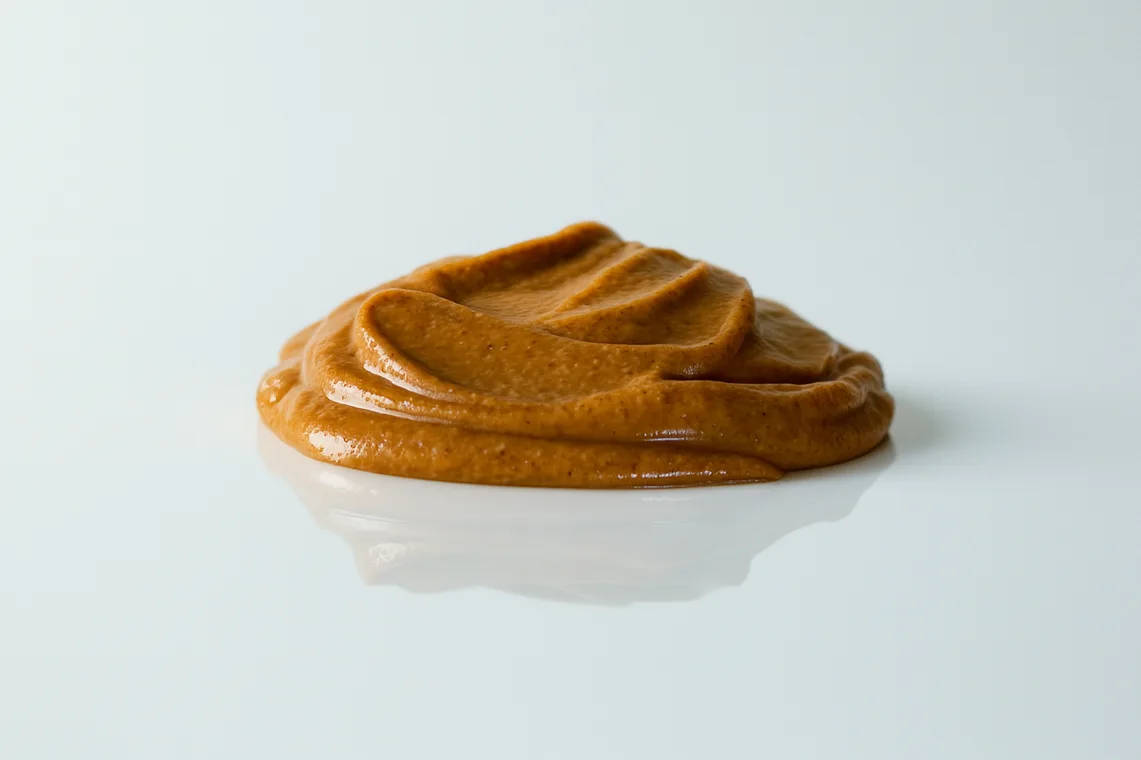
When can babies have almond butter?
Almond butter, when thinned out with breast milk, formula, water, or purée, may be introduced as soon as baby is ready to start solids, which is generally around 6 months of age. Almond butter and almonds are choking hazards for babies and children, so read our How to Serve section closely before serving. Avoid almond butter that contains honey when sharing with babies under 12 months of age due to the risk of infant botulism.
The almond may be one of the world’s most popular nuts, but botanically speaking, it is a seed. Like the pits of cherries, peaches, and plums, almonds are found at the center of a fruit that grows on a tree native to southwest Asia. Almond butter is made by grinding almonds into a paste and is commonly used as a spread or stirred into smoothies, sauces, baked goods, and more.
How do you serve almond butter to babies?
Every baby develops on their own timeline, and the suggestions on how to cut or prepare particular foods are generalizations for a broad audience.
6 months old +:
Thin out smooth almond butter with breast milk, formula, water, or purée until it is loose and runny, then offer mixed into warm cereals, yogurt, or mashes or spread it very thinly on toast strips. Feel free to serve with a bit of water in an open cup to help wash down any sticky bits of food. You can also incorporate almond butter into batters for pancakes, waffles, or baked goods, or blend it into sauces and marinades. Make sure the almond butter does not contain honey, which is associated with a risk of infant botulism.
12 months old +:
Serve smooth almond butter mixed into scoopable foods like oatmeal, applesauce, or yogurt, or spread a little on toast or pancakes. At this age, there is no need to thin out the almond butter with liquid first, but continue to spread thinly and avoid serving in large globs.
18 months old +:
At this age, you can offer chunky almond butter thinly spread onto or mixed into other foods. Continue to serve smooth almond butter as desired.
Is almond butter a choking hazard for babies?
Yes. Almond butter can be thick and sticky, qualities that can increase the risk of choking. To reduce the risk, prepare and serve almond butter in an age-appropriate way as described in the How to Serve section. As always, create a safe eating environment and stay within reach of baby during meals.
Learn the signs of choking and more about choking first aid in our free guides, Infant Rescue and Toddler Rescue.
Are almonds a common allergen?
Yes, almonds are classified as a common allergen. Almonds are considered tree nuts (although they are technically seeds). While only 0.5% to 1.2% of the population is allergic to tree nuts, tree nut allergy is usually life-long: only 9% of children with tree nut allergy will outgrow it on their own.[1] [2] Although most reactions to almond are relatively mild, severe reactions have been reported.
Individuals with allergy to birch tree pollen may experience Oral Allergy Syndrome (also known as pollen-food allergy syndrome) after ingestion of almond, especially almond skin.[3] Oral Allergy Syndrome results in localized symptoms of itching, tingling, or burning in the mouth after ingestion, but is unlikely to result in a severe reaction.
Although an allergy to one tree nut increases risk of allergy to another (individuals with almond allergy are more likely to be allergic to hazelnut, for example),[4] keep in mind that being allergic to one nut does not necessarily mean that all nuts need to be removed from the diet.[2] Having as diverse of a diet as possible, even within the confines of food allergies, is important for a child’s nutrition and quality of life. If your child has an almond allergy, work with an allergist to determine if other tree nuts can be safely incorporated into the diet.
For most babies, there is no need to pursue allergy testing before introducing tree nuts into the diet, even if there is a family history of food allergy. However, if baby has severe eczema or has already experienced an allergic reaction, or you suspect your baby may be allergic to nuts, make an appointment with your primary care clinician or a pediatric allergist before introducing almond at home. Your doctor can help you determine if almonds can be safely introduced in the home setting, or if supervised introduction in the clinic would be preferable. Interestingly, even in the context of positive allergy skin test or blood test, most individuals without a clear history of almond reaction will pass an almond challenge.[5] Therefore, don't hesitate to pursue supervised almond introduction if it is recommended for your child. Keep in mind that a growing body of evidence supports the preventive benefits of early food allergen introduction (especially for babies with eczema), so it’s important not to delay introduction any longer than necessary.
When it’s time to introduce the nut at home, offer a small quantity (such as a pinch of finely ground nut of 1/8 teaspoon of smooth almond butter thinned with water, breast milk, or formula) at first. For step-by-step guidance on how to introduce almond and other common allergens, start your subscription in the Solid Starts App. Rather than filling the belly with the nut, it is important to maintain exposure to common food allergens (such as tree nuts) in the diet regularly (twice weekly, if possible) once introduced. Don’t stop offering the nut unless your baby shows signs of a reaction.
Is almond butter healthy for babies?
Yes. Almond butter offers nourishing fats, protein, some carbohydrates, and fiber. It also provides iron, calcium, magnesium, potassium, vitamin E, and zinc—nutrients that support growth, bone health, immunity, and brain development. Almond butter made from whole almonds (with skins) offers extra antioxidants and fiber as well.
Avoid almond butter that contains honey when sharing with babies under 12 months of age due to the risk of infant botulism. While some almond butters have added salt or sugar, they are usually in small amounts and tastes of these products are generally not a cause for concern. For families looking to reduce added salt and sugar, look for unsalted, unsweetened almond butter (sometimes labeled as “natural” almond butter).
What are some great first foods for babies?
There are many wonderful options. Look for foods that are easy for baby to feed to themselves, that are low in choking risk, and that offer nutrients babies need, such as iron. A few of our favorite first foods include cooked broccoli, oatmeal, and mango pits.
Do I need to start solids with purees?
You can if you’d like, but there's no developmental need to start with textureless food. Babies can be served modified versions of what you eat. Use our First Foods Database to find how to safely serve any food.
Reference Material
American Academy of Allergy Asthma & Immunology. Everything You Need to Know about Tree Nut Allergy. Retrieved November 17, 2020
Food Allergy Research & Education. Tree Nut Allergy. Retrieved March 22, 2020
Uotila R, Kukkonen AK, Pelkonen AS, Makela MJ. Cross-sensitization profiles of edible nuts in a birch-endemic area. Allergy. 2016;71(4):514-21.
Start solids with confidence
- Guided Introduction to 100+ Foods
- Smart Tools to Simplify Mealtime
- Food Allergen 101
- 300+ Meal Ideas
- First Foods® Database
Start solids with confidence
- Guided Introduction to 100+ Foods
- Smart Tools to Simplify Mealtime
- Food Allergen 101
- 300+ Meal Ideas
- First Foods® Database
Expert Tips Delivered to Your Inbox
Sign up for weekly tips, recipes and more.