


Acceda a la base de datos First Foods® en Solid Starts App.
Leer másWhite Pepper
Hierba/Especia
Sugerencia de edades
6 meses
Alto contenido de hierro
No
Alérgeno común
No
When can babies have white pepper?
White pepper may be introduced as soon as baby is ready to start solids, which is generally around 6 months of age.
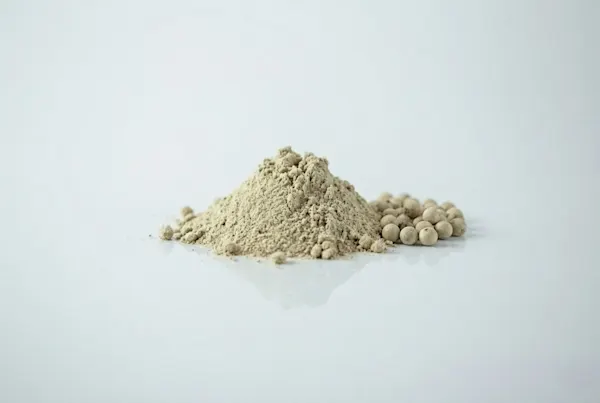
White pepper comes from the berries of the pepper vine, the exact same plant that produces black pepper. The difference lies in their processing: to make white pepper, the fully ripe berries are soaked in water to ferment and remove the dark outer skin, leaving only the inner light-colored seed to be dried. This process gives white pepper a distinctly earthy, sharp flavor profile. It is a staple in many Asian cuisines, such as in Chinese hot and sour soup or congee, and is also frequently used in French cooking to season light-colored sauces and dishes without leaving visible dark specks.
How do you serve white pepper to babies?
Cada bebé se desarrolla a su propio ritmo, y las sugerencias que ofrecemos sobre cómo cortar o preparar determinados alimentos son generalizaciones para una amplia audiencia.
6 months old +:
Let baby taste food lightly seasoned with powdered white pepper, such as mixed into congee, mashed potatoes, blended soups, or ground meats. You can also offer dishes that have been seasoned with whole white peppercorns; just make sure to remove the peppercorns from baby’s portion before serving.
12 months old +:
Cook with finely ground white pepper and add to the child’s meals as desired, from scrambled egg to stir-fries to stews and sauces. Continue to remove whole peppercorns from the child’s portion if they were used during cooking, as whole peppercorns won’t soften much, even with long cook times.
Is white pepper a choking hazard for babies?
No. White pepper presents a low risk when safely prepared for a child’s age and developmental ability, though, in theory, an individual could choke on any food. To reduce the risk, remove whole peppercorns from a dish before serving to baby, and prepare and serve white pepper in an age-appropriate way as described in How to Serve. As always, create a safe eating environment and stay within reach of baby during meals.
Learn the signs of choking and more about choking first aid in our free guides, Infant Rescue and Toddler Rescue.
Is white pepper a common allergen?
No. Allergies to white pepper are rare, but not unheard of. Individuals with Oral Allergy Syndrome, particularly those who are allergic to ragweed and mugwort pollen may be sensitive to white pepper. Oral Allergy Syndrome typically results in short-lived itching or burning in the mouth and is unlikely to result in a dangerous reaction.
Spices such as white pepper can also cause symptoms that resemble allergic reactions. For example, inhaling a puff of powdered white pepper can irritate the nasal passageways and trigger sneezing and coughing, but may not be triggered by an allergic reaction. Additionally, certain spices, like white pepper, may cause contact rashes due to potentially skin-irritating components in the food, but not necessarily due to an allergy.
Foods seasoned with spices like white pepper may cause a harmless rash around the mouth while baby eats or may cause or worsen diaper rash. Try applying a thin layer of barrier cream or ointment—such as pure petroleum jelly or a plant-based oil/wax balm—to baby’s face and diaper area to help prevent contact rashes.
Is white pepper healthy for babies?
Yes. While usually not consumed in significant amounts, white pepper offers trace amounts of various vitamins and minerals. White pepper contains piperine, an active plant compound that offers antioxidant and anti-inflammatory properties and may help the body absorb other nutrients more efficiently.
What is the difference between white and black pepper?
Both come from the same plant. Black pepper is made from unripe berries that are dried with the skin intact, giving it a pungent, fruity heat. White pepper is made from ripe berries with the skin removed, resulting in a sharper, earthier, and sometimes slightly fermented flavor.
Nuestro equipo
Escrito por

Dr. Sakina Bajowala
Pediatra general y alergóloga/inmunóloga

Kim Grenawitzke
Terapeuta ocupacional pediátrica(o), especialista en alimentación y deglución, y consultora de lactancia certificada por la junta internacional

Venus Kalami
Nutricionista y dietista pediátrico(a) registrada
Consejos de expertos directo a tu bandeja de entrada
¡Suscríbete y recibe correos semanales con recetas, consejos y más!




Copyright © 2026 • Solid Starts Inc