


Acceda a la base de datos First Foods® en Solid Starts App.
Leer másSoursop (Guanábana)
Fruta
Sugerencia de edades
6 meses
Alto contenido de hierro
No
Alérgeno común
No
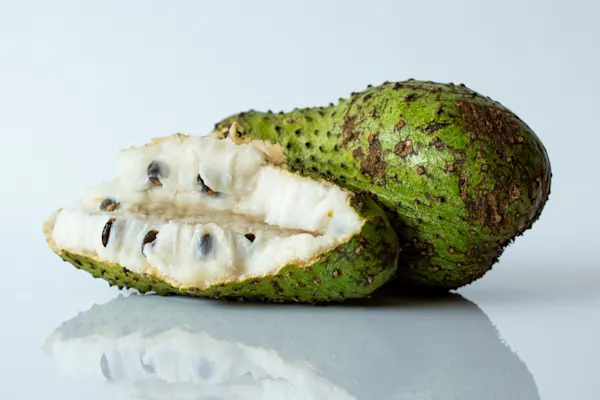
When can babies have soursop?
Soursop may be introduced as soon as baby is ready to start solids, which is generally around 6 months of age. Make sure all seeds and skin have been removed before serving, as these parts of the fruit are toxic.
Soursop is also known as graviola, guanábana, and prickly custard apple, a nod to the fruit’s resemblance to another tropical fruit known as custard apple or sweetsop. Soursop originated in the Caribbean and tropical regions of South America, where it grows on large trees. The spiky, inedible skin contains a creamy, soft pulp inside, which adds sweet and slightly sour flavor to smoothies, drinks, desserts, and more. The fruit is also eaten on its own, often by taking bites from large hunks of the fruit and spitting out the large, inedible seeds.
How do you serve soursop to babies?
Cada bebé se desarrolla a su propio ritmo, y las sugerencias que ofrecemos sobre cómo cortar o preparar determinados alimentos son generalizaciones para una amplia audiencia.

6 months old +:
Offer a large section of ripe soursop pulp (skin, seeds, and core removed) for baby to munch on. Note that soursop seeds are deeply embedded in the flesh of the fruit so take great care to pick out all of them before offering the big piece to baby. Alternatively, mash the de-seeded fruit and stir it into yogurt, mashed yam, or another scoopable food. Hold off on soursop smoothies and juice until around the first birthday, although a taste here and there is fine.
9 months old +:
Once baby shows signs of a developing pincer grasp (where the thumb and pointer finger meet), you can offer small, bite-sized pieces of ripe soursop fruit as long as the skin, seeds, and core have been removed. You can also continue to offer the mashed fruit or large sections of the fruit for baby to suck and munch on as long as the skin, seeds, and core have been removed. Hold off on soursop smoothies and juice until around the first birthday, although a taste here and there is fine.
12 months old +:
Serve large sections or small pieces of soursop as desired, just make sure to remove the skin and carefully remove all seeds. At this age, you can also offer soursop juice or smoothies in moderation.
3 years old +:
At this age, some toddlers will be ready to learn how to eat soursop from its skin, spitting seeds out as they go. If your child is following instructions well, chewing thoroughly, and spitting food out when needed, you can try teaching them how to eat the fruit off of the skin. To coach this, break off a small section of soursop and show the child that it has large seeds that we don’t eat. Coach them to scrape the food from the skin, reminding them to not eat the skin, and that when they feel a seed in their mouth, to spit that out. Dramatically demonstrate finding a seed in your own mouth and spitting it out.


Shadrach Martial, of Castries, St. Lucia, explains how to prepare soursop for babies to Solid Starts founder Jenny Best
How to prepare soursop for babies 6 months +
Videos
Is soursop a choking hazard for babies?
No, though the inedible seeds can be. Take care to remove every seed, which can be hard to find inside the flesh of the fruit. To reduce the risk, prepare and serve soursop in an age-appropriate way as described in the How to Serve section. As always, create a safe eating environment and stay within reach of baby during meals.
Learn the signs of choking and gagging and more about choking first aid in our free guides, Infant Rescue and Toddler Rescue.
Is soursop a common allergen?
No. Allergies to soursop are rare, but have been reported to related fruits in the Annona family such as cherimoya. Fruits in the Annona family have been reported to trigger allergic reactions in some individuals with latex allergies. Individuals with Oral Allergy Syndrome, especially those allergic to latex, may be sensitive to soursop. Oral Allergy Syndrome typically results in short-lived itching, tingling, or burning in the mouth and is unlikely to result in a dangerous reaction. Cooking soursop can help minimize the reaction.
As you would when introducing any new food, start with a small amount at first and follow baby’s lead.
Is soursop healthy for babies?
Yes, in moderation. Soursop contains lots of vitamins and minerals, but also contains compounds that, if consumed regularly in large amounts, can cause illness. Aim to serve soursop in moderation as part of a varied diet and avoid serving to babies on a daily basis.
Soursop contains significant amounts of vitamins B6 and C, folate, fiber, potassium, water, and a touch of iron. Plus, it is rich in antioxidants. Together, these nutrients help support baby’s metabolism, iron absorption, neurodevelopment, digestive health, physiologic resilience, and more.
The seeds and skin of the soursop fruit contain compounds that are toxic when ingested. When offering soursop to baby, ensure that all of the seeds and skin have been removed.
Avoid extracts, teas, capsules, and powders made from soursop or soursop leaves, as research on their safety is limited. While soursop has been touted as a remedy for cancer, research has not substantiated this claim. As always, follow the advice of the child’s healthcare provider.
When can babies have soursop juice and smoothies?
Small amounts of soursoup juice may be shared as a drink after 12 months of age. That said, it can be beneficial to wait until after a child’s 2nd birthday to regularly share juice and other sweet drinks. Research suggests that regular intake of juice and other sweet drinks tends to increase the risk of dental cavities and take up space in the belly, which may decrease a child’s motivation to eat other foods at mealtime and may negatively affect the child’s growth. However, occasional servings of juice after one year of age generally isn’t a cause for concern. Learn more about serving juice to babies and toddlers.
Nuestro equipo
Escrito por

Dr. Rachel Ruiz
Pediatra general y gastroenteróloga pediátrica

Dr. Sakina Bajowala
Pediatra general y alergóloga/inmunóloga

Kim Grenawitzke
Terapeuta ocupacional pediátrica(o), especialista en alimentación y deglución, y consultora de lactancia certificada por la junta internacional

Venus Kalami
Nutricionista y dietista pediátrico(a) registrada
Consejos de expertos directo a tu bandeja de entrada
¡Suscríbete y recibe correos semanales con recetas, consejos y más!




Copyright © 2026 • Solid Starts Inc