
Neufchâtel
Lácteo
- Edad sugerida
- 6 meses
- Rico en hierro
- No
- Alérgeno común
- Sí
Warning
When can babies have neufchâtel?
American-style neufchâtel, which is made with pasteurized milk, may be introduced as soon as baby is ready to start solids, which is generally around 6 months of age. Avoid mold-ripened neufchâtel made from raw (unpasteurized) milk, which carries an increased risk of foodborne illness, and babies are more at risk of severe symptoms.[1] [2] [3] [4] [5]
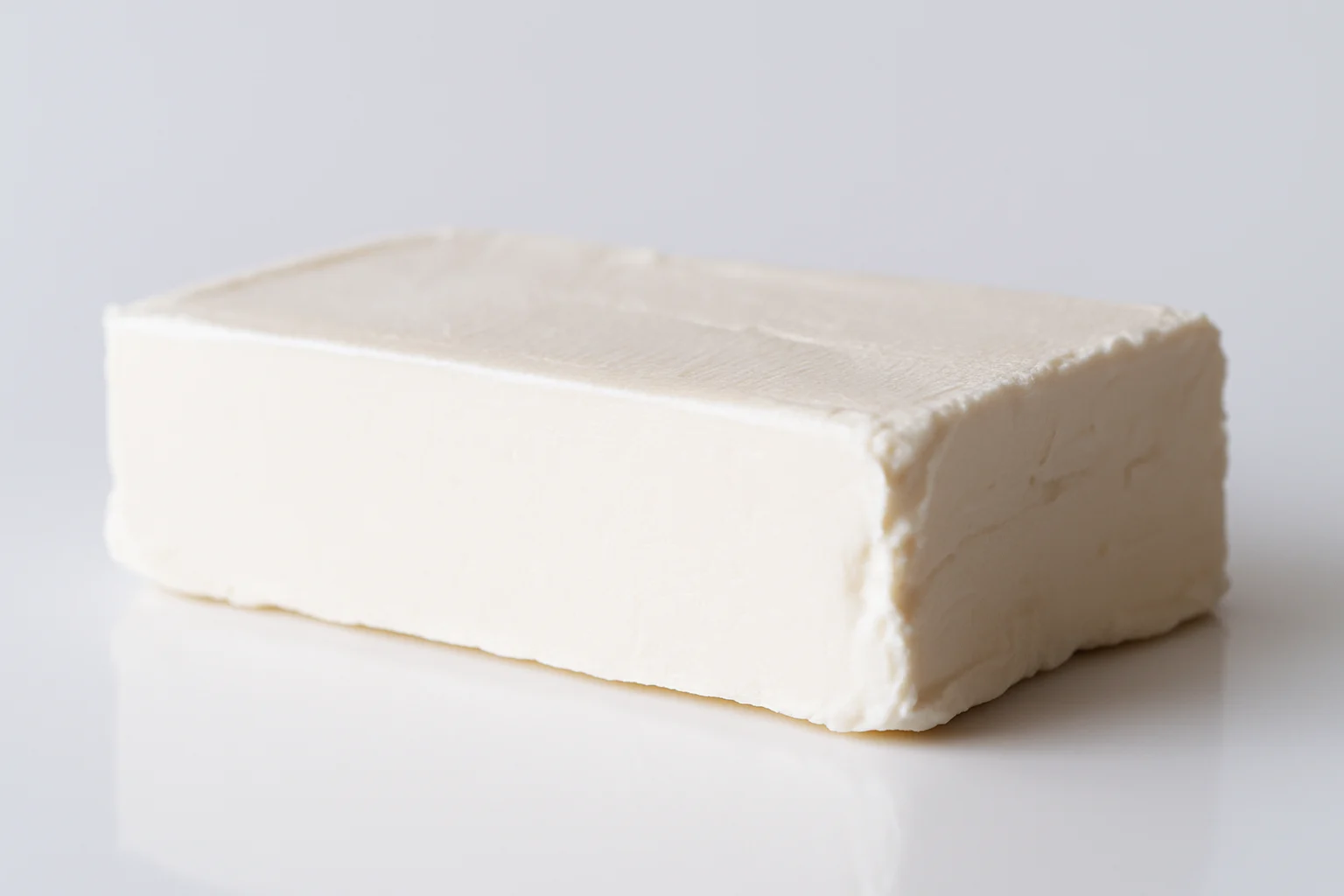
Cheeses that go by the name neufchâtel look quite different in America and in France, where the two types originated. In France, neufchâtel is one of the region’s oldest cheeses, with the historical record showing that it has been made since at least 1050. There, neufchâtel is made with unpasteurized milk, pressed into shapes like hearts or briquettes, and then mold-ripened. In America, a dairy farmer in the nineteenth century added cream to the traditional process of making neufchâtel, this time using pasteurized milk, resulting in an American version of neufchâtel that resembles cream cheese.
How do you serve neufchâtel to babies?
Cada bebé se desarrolla a su propio ritmo, y las sugerencias que ofrecemos sobre cómo cortar o preparar determinados alimentos son generalizaciones para una amplia audiencia.
6 months old +:
Spread a thin layer of pasteurized neufchâtel on a strip of toast or toasted bagel half-moon for baby to grab and munch on. You can also stir neufchâtel into pasta sauce, mashed potatoes, or egg dishes. Avoid neufchâtel with honey until 12 months of age to minimize the risk of infant botulism, and avoid unpasteurized neufchâtel due to the risk of foodborne illness.
9 months old +:
As baby’s fine motor control develops, try sticking age-appropriate pieces of fruit or vegetables in a bowl of whipped neufchâtel for baby to grab and dip. You can also add neufchâtel to egg strips or frittata, stir it into mashed vegetables or grains, or continue to spread on toast or bagel halves. Avoid neufchâtel with honey until 12 months of age to minimize the risk of infant botulism, and avoid unpasteurized neufchâtel due to the risk of foodborne illness.
12 months old +:
Use and cook with pasteurized neufchâtel as desired. Spread neufchâtel on other age-appropriate foods, mix it into the batter for baked goods or into shared meals, or offer as a dip. Continue to avoid unpasteurized neufchâtel due to the risk of foodborne illness.
Is neufchâtel a choking hazard for babies?
It can be, if spread thickly or served in globs. To reduce the risk, prepare and serve neufchâtel in an age-appropriate way as described in the How to Serve section. As always, create a safe eating environment and stay within reach of baby during meals.
Learn the signs of choking and more about choking first aid in our free guides, Infant Rescue and Toddler Rescue.
Is neufchâtel a common allergen?
Yes. Neufchâtel is made from cow’s milk, which is a common food allergen in young children, accounting for about one-fifth of all childhood food allergies.[6] Keep in mind that dairy products from other ruminants such as sheep, goat, and buffalo may provoke similar allergic reactions to cow’s milk dairy products.[7] That said, there’s good news: milk allergy often disappears with time. Research shows that the majority of children with cow's milk allergy will outgrow it by age 6 and many babies with milder symptoms of milk protein allergy (which can show up as painless blood in stool) are able to successfully reintroduce cow's milk as early as their first birthday, with the guidance from their pediatric health professionals.[8] [9]
Milk and other dairy products are a known trigger of food protein-induced enterocolitis syndrome, also known as FPIES. FPIES is a delayed allergy to food protein which causes the sudden onset of repetitive vomiting and diarrhea to begin a few hours after ingestion of the food trigger. Left untreated, the reaction can result in significant dehydration. Thankfully, like other forms of milk allergy, FPIES that presents early in life is generally outgrown by the time the child has reached 3-5 years of age.[10] While the exact rates of FPIES are unknown, it is believed to be an uncommon condition (although better recognition of the disease has led to increased reporting in recent years).[11]
For those with older children who are lactose intolerant (keep in mind this is uncommon for infants and toddlers), neufchâtel can contain lactose and may lead to digestive upset, which can be mistaken for an allergic reaction in those with lactose intolerance. Note that if your child is lactose-intolerant, it’s important to find calcium-rich foods to consume regularly to ensure a balanced diet and support bone health. Search for naturally low-lactose cheeses and dairy products labeled “lactose-free.”
If you suspect your child may be allergic to dairy products, consult an allergist before introducing cheeses. Based on a child’s risk factors and history, an allergist may recommend allergy testing, or may instead advise dairy product introduction under medical supervision in the office. If the risk is low, you may be advised to go ahead and introduce cheese in the home setting. As with all common allergens, start by serving a small amount for the first few servings, and if there is no adverse reaction, gradually increase the quantity over future meals.
Is neufchâtel healthy for babies?
It can be. American neufchâtel is made from pasteurized milk and provides small amounts of vitamin A for skin and immune support, vitamin B12 to support nervous system development, and zinc to fuel healthy growth and development.
Since French neufchâtel is commonly made with raw milk and mold-ripened, it is high-risk for foodborne illness such as Listeria and is not safe for babies, kids, and other high-risk individuals.[12]
¿Es el queso crema lo mismo que el queso neufchatel?
En América del Norte, el queso crema y el queso neufchatel son casi lo mismo. Ambos están hechos de leche de vaca pasteurizada con estabilizadores para mantener el queso intacto. Ambos son cremosos y untables a temperatura ambiente. Tienen un sabor fresco un ligera acidez y ya que sus texturas son comparables, pueden usarse en recetas de manera intercambiable. La diferencia principal entre ambos, es la cantidad de grasa de leche que contienen. Por ley en Estados Unidos, el queso neufchatel debe contener entre 20 y 33% de grasa comparado con el 33% del queso crema. El estilo de queso neufchatel americano no es el mismo que el Neufchâtel, que es el queso suave de corteza florida que viene de la región de Normandía en Francia.
Material de referencia
Start solids with confidence
- Guided Introduction to 100+ Foods
- Smart Tools to Simplify Mealtime
- Food Allergen 101
- 300+ Meal Ideas
- First Foods® Database

Start solids with confidence
- Guided Introduction to 100+ Foods
- Smart Tools to Simplify Mealtime
- Food Allergen 101
- 300+ Meal Ideas
- First Foods® Database
Consejos de expertos directo en tu correo
Suscríbete para recibir consejos semanales, recetas y más.