
Lavender
Hierba/Especia
- Edad sugerida
- 6 meses
- Rico en hierro
- No
- Alérgeno común
- No
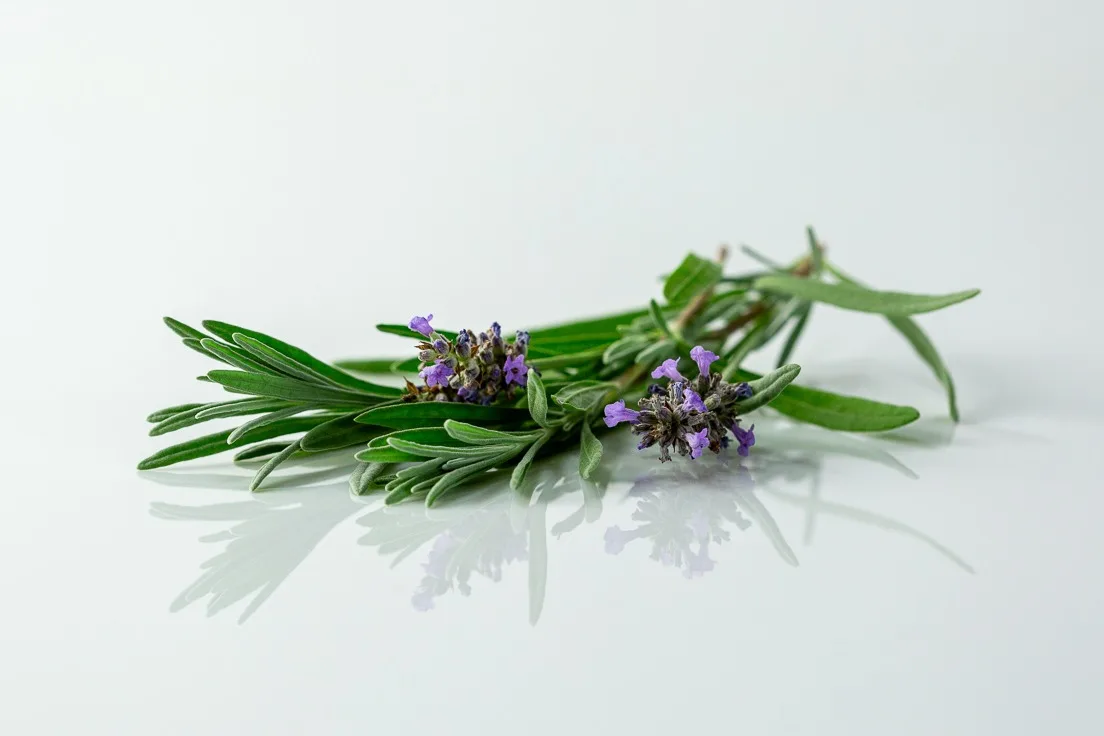
When can babies have lavender?
Lavender may be introduced into meals as soon as baby is ready to start solids, which is generally around 6 months of age. A little goes a long way; only a small amount of lavender is needed to add flavor to a meal. Avoid lavender essential oils, extracts, and other non-culinary forms of lavender for babies, as they have been associated with reports of illness.[1][2] [3]
Lavender first grew in the warm, dry regions around the Mediterranean Sea, where the plant has long been used for culinary, medicinal, and hygienic purposes. In fact, the plant’s name in English comes from the Latin word for “wash,” a nod to its long history as an ingredient in soaps and bathing. In cooking, lavender offers a delicate, floral flavor to desserts, baked goods, or as a seasoning for meats, vegetables, and grains.
How do you serve lavender to babies?
Cada bebé se desarrolla a su propio ritmo, y las sugerencias que ofrecemos sobre cómo cortar o preparar determinados alimentos son generalizaciones para una amplia audiencia.
6 months old +:
Use crumbled, dried lavender flowers to flavor sauces or dressings, on their own or as part of a spice blend like herbes de provence. You can also mix a bit of dried lavender into the batter for pancakes, waffles, and baked goods like bread or muffins. If using fresh lavender, make sure to finely chop the buds before adding to a dish to reduce choking risk. Alternatively, infuse a small amount of dried lavender in warm water, then use the water to make porridge or stir into mashed fruit. Just keep the amount small: lavender has a powerful flavor and using too much can overpower a dish.
Is lavender a choking hazard for babies?
No. Lavender presents a low risk when safely prepared for a child’s age and developmental ability, though, in theory, an individual could choke on any food. To reduce the risk, prepare and serve lavender in an age-appropriate way as described in the How to Serve section. As always, make sure to create a safe eating environment and stay within reach of baby during meals.
Learn the signs of choking and more about choking first aid in our free guides, Infant Rescue and Toddler Rescue.
Is lavender a common allergen?
No. Allergies to lavender ingestion are not common. However, allergic skin reactions to direct application of personal care products containing lavender oil have been reported.[4] If your child is sensitive to plants of the Lamiaceae family such as mint, oregano, basil, thyme, sage, or marjoram, take care when introducing lavender, as these plants are closely related.[5]
Note that certain dried herb blends that feature lavender may contain common food allergens, so make sure to read labels thoroughly if your child has food allergies.
Is lavender healthy for babies?
Yes. Lavender contains a number of plant compounds that may offer anti-inflammatory, antimicrobial, and anticancer properties.[6]
Is lavender safe for babies?
Yes, lavender is generally recognized as safe when used in amounts typical in cooking.[7] Avoid lavender essential oils, extracts, teas, aromatherapy, powders, and other non-culinary forms of lavender for babies, as research on their safety is limited and they have been associated with reports of illness, including hormonal disruption.[8] [9] [6] [1] [2] [3]

Material de referencia
Start solids with confidence
- Guided Introduction to 100+ Foods
- Smart Tools to Simplify Mealtime
- Food Allergen 101
- 300+ Meal Ideas
- First Foods® Database

Start solids with confidence
- Guided Introduction to 100+ Foods
- Smart Tools to Simplify Mealtime
- Food Allergen 101
- 300+ Meal Ideas
- First Foods® Database
Consejos de expertos directo en tu correo
Suscríbete para recibir consejos semanales, recetas y más.