


Acceda a la base de datos First Foods® en Solid Starts App.
Leer másGaram Masala
Hierba/Especia
Sugerencia de edades
6 meses
Alto contenido de hierro
No
Alérgeno común
No
When can babies have garam masala?
Garam masala may be introduced as soon as baby is ready to start solids, which is generally around 6 months of age.
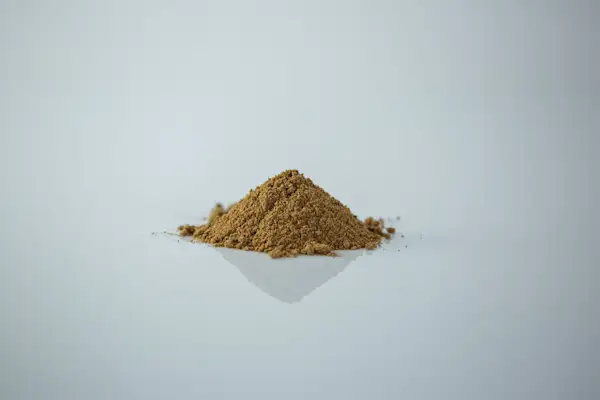
Garam masala is a foundational spice blend originating in South Asia. In Hindi, garam means "warm" or "hot," and masala means "spice blend." This "warmth" refers not to spicy heat, but rather to the Ayurvedic concept of spices that warm the body and boost metabolism. While the components of garam masala vary depending on the region and the type, the blend often includes aromatic spices like cumin, coriander, cardamom, cinnamon, cloves, nutmeg, and black pepper.
How do you serve garam masala to babies?
Cada bebé se desarrolla a su propio ritmo, y las sugerencias que ofrecemos sobre cómo cortar o preparar determinados alimentos son generalizaciones para una amplia audiencia.
6 months old +:
Sprinkle small amounts of powdered garam masala on age-appropriate foods like cooked vegetables, dal, or yogurt. Or use garam masala to season marinades and sauces, stews, and other dishes to share with baby.
12 months old +:
Cook with garam masala as desired in the child’s meals. Use garam masala in combination with other ingredients to create flavorful sauces, marinades, spice rubs, and much more.
Is garam masala a choking hazard for babies?
No. Powdered garam masala presents a low risk when safely prepared for a child’s age and developmental ability, though, in theory, an individual could choke on any food. To reduce the risk, prepare and serve garam masala in an age-appropriate way as described in How to Serve. As always, create a safe eating environment and stay within reach of baby during meals.
Learn the signs of choking and more about choking first aid in our free guides, Infant Rescue and Toddler Rescue.
Does garam masala contain common allergens?
No. None of the typical ingredients of garam masala are common allergens, but ingredients can vary by brand. Allergies to spices used in garam masala such as cumin and coriander are rare, but have been reported. Note that certain spice blends that feature cumin may contain common food allergens, so make sure to read labels thoroughly.
Spices such as garam masala can also cause symptoms that resemble allergic reactions. For example, inhaling a puff of powdered garam masala can irritate the nasal passageways and trigger sneezing and coughing, but may not be triggered by an allergic reaction. Additionally, certain spices, like garam masala, may cause contact rashes due to potentially skin-irritating components in the food, but not necessarily due to an allergy.
Foods seasoned with spices like garam masala may cause a harmless rash around the mouth while baby eats or may cause or worsen diaper rash. Try applying a thin layer of barrier cream or ointment—such as pure petroleum jelly or a plant-based oil/wax balm—to baby’s face and diaper area to help prevent contact rashes.
Is garam masala healthy for babies?
Yes. While typically eaten in small amounts, garam masala offers a bit of various vitamins, minerals like iron, calcium, and fiber. Some of the typical spices in garam masala, such as cumin and coriander, also offer anti-inflammatory, antioxidant, and antimicrobial properties and may help support digestive processes.
Is garam masala spicy?
Not typically. Garam masala does not usually contain hot spices, although it is made from “warming” spices like cardamom, cloves, and cumin and may contain black pepper, which can offer a very mild heat. However, blends and brands may vary and some variations may be quite spicy. Always taste the food yourself before serving to baby to make sure it isn’t too spicy.
What is a substitute for garam masala?
If a recipe calls for garam masala but you don’t have any on hand, you can try substituting an equivalent amount of mild curry powder or mix together equal parts powdered cardamom, coriander, and cumin, adding a bit of cinnamon and black pepper to taste.
Nuestro equipo
Escrito por

Dr. Sakina Bajowala
Pediatra general y alergóloga/inmunóloga

Kim Grenawitzke
Terapeuta ocupacional pediátrica(o), especialista en alimentación y deglución, y consultora de lactancia certificada por la junta internacional

Venus Kalami
Nutricionista y dietista pediátrico(a) registrada
Consejos de expertos directo a tu bandeja de entrada
¡Suscríbete y recibe correos semanales con recetas, consejos y más!




Copyright © 2026 • Solid Starts Inc